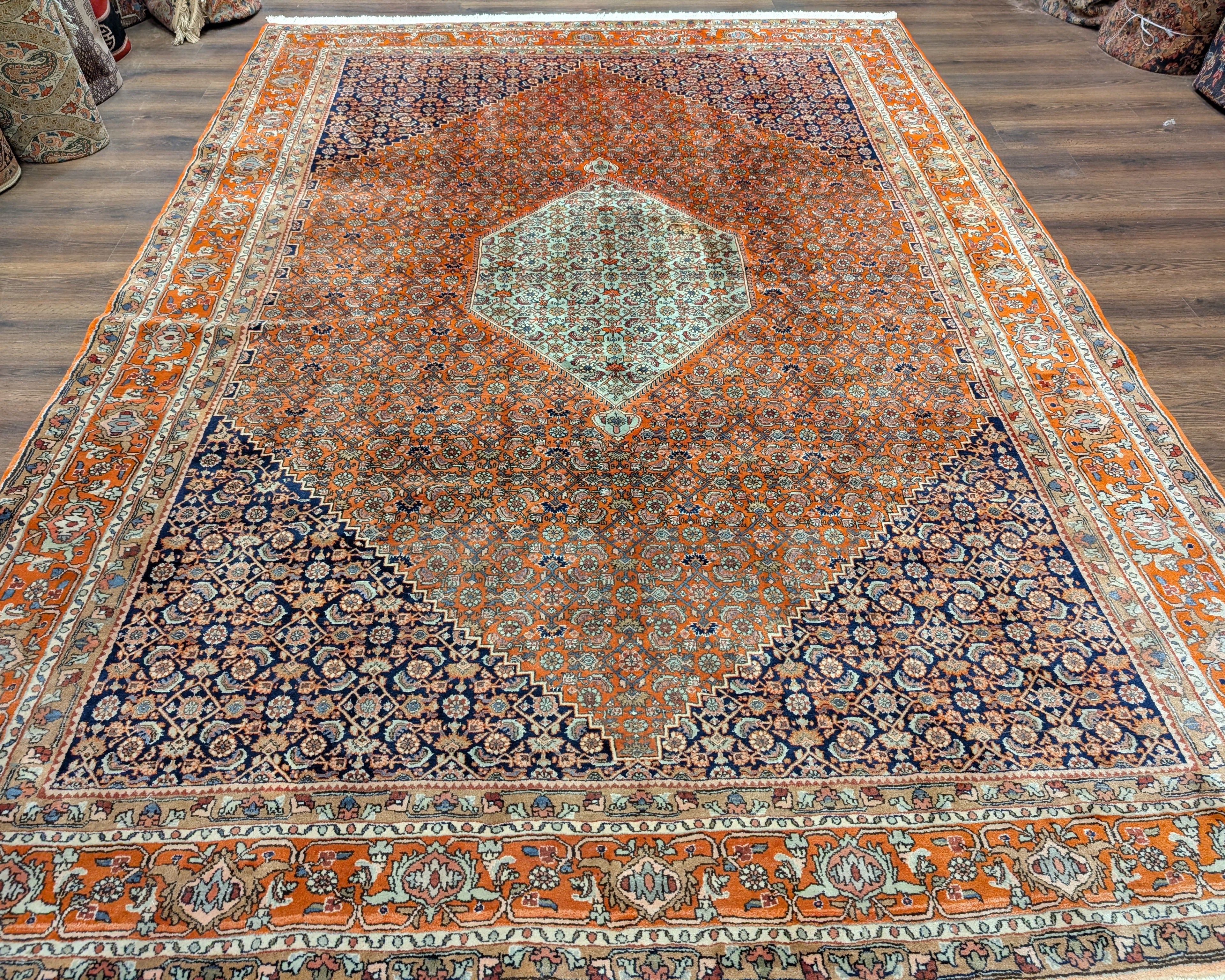
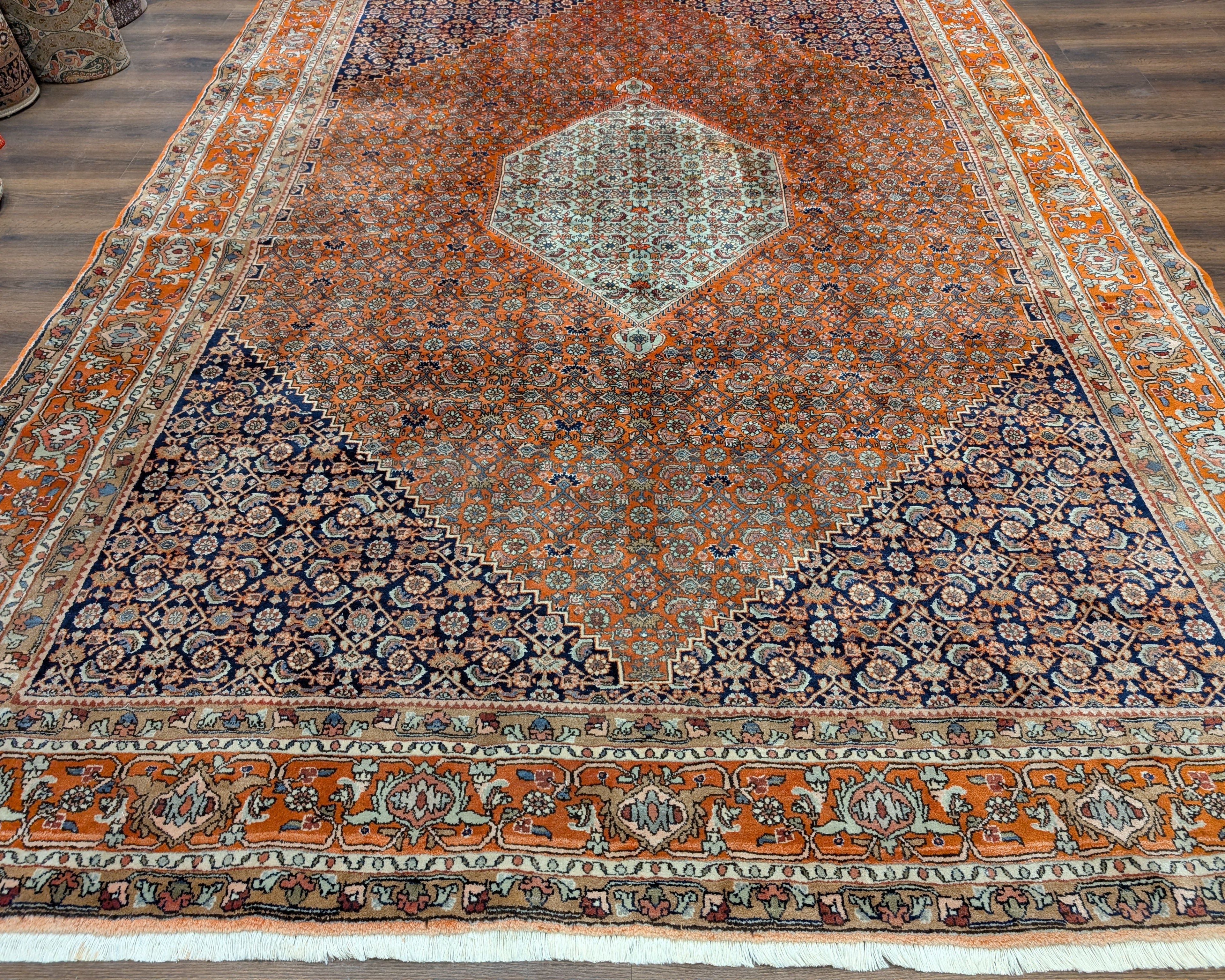
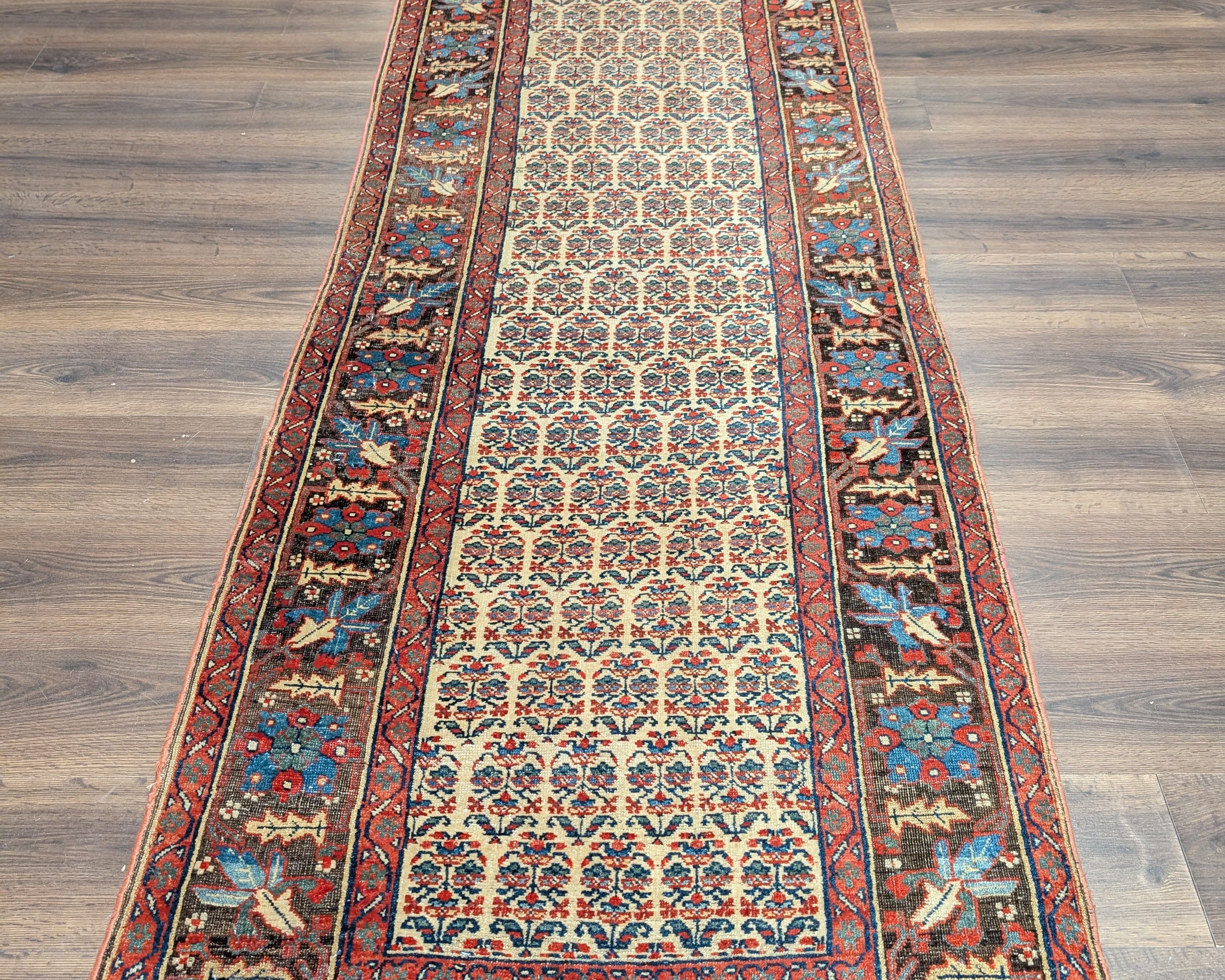
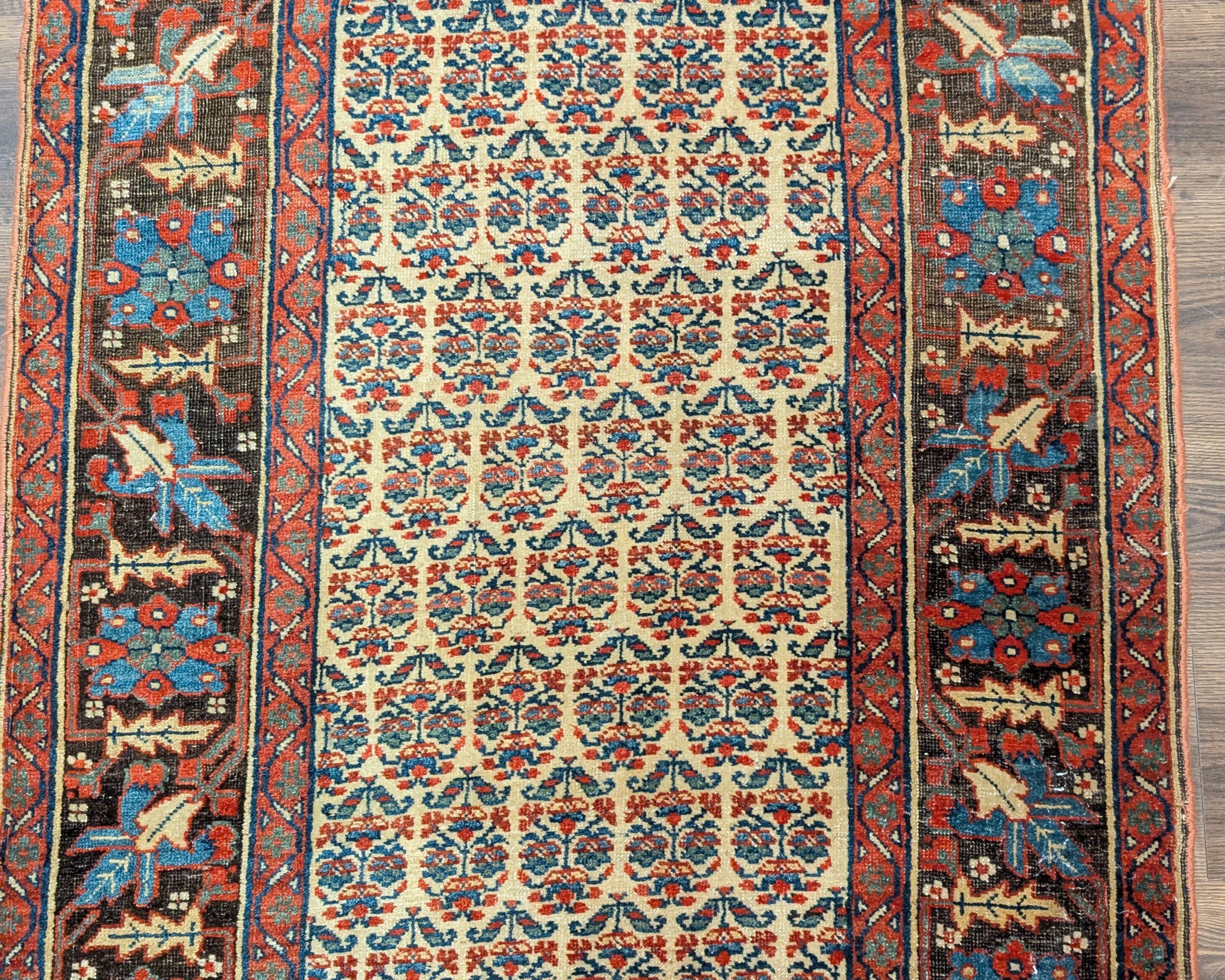
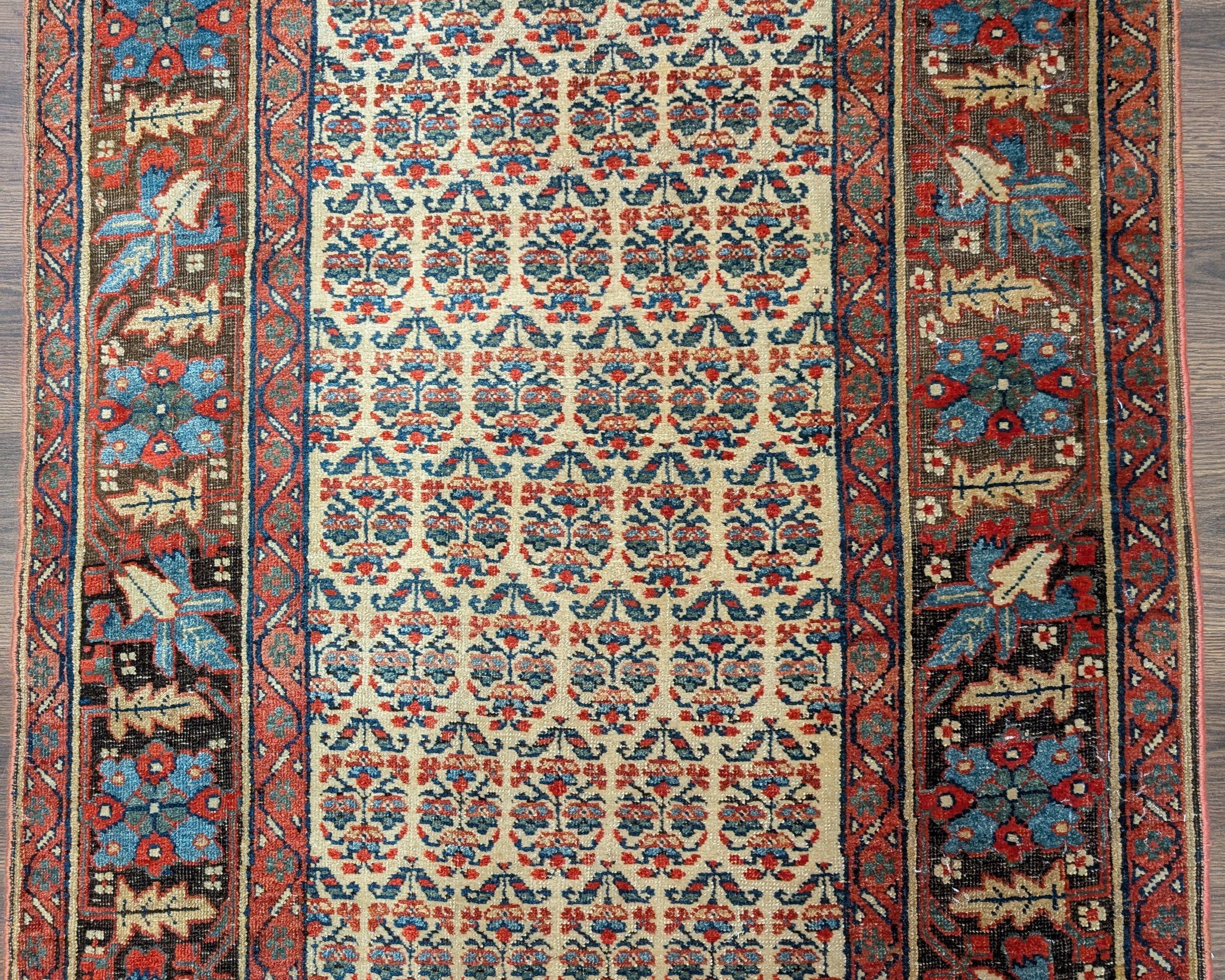
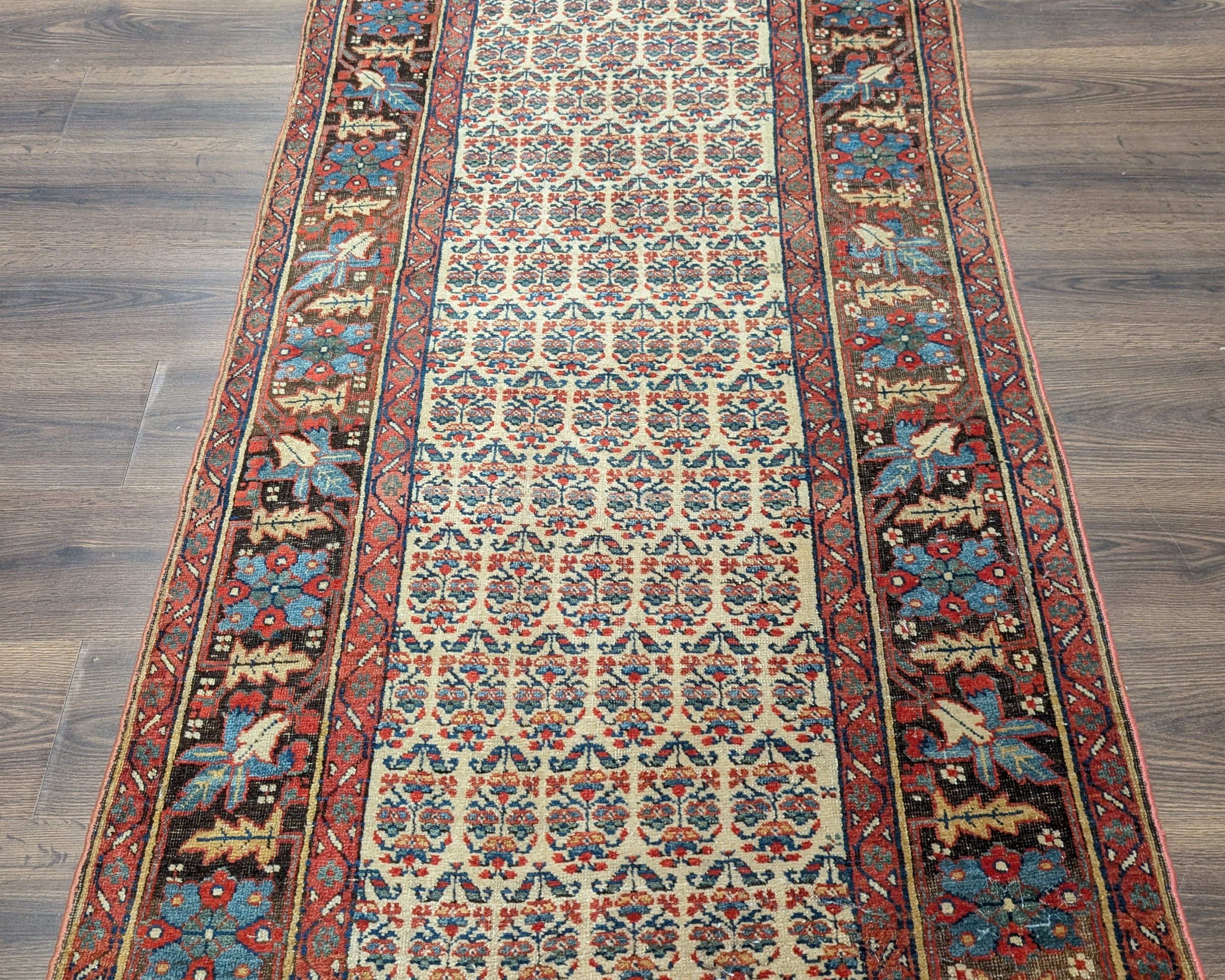
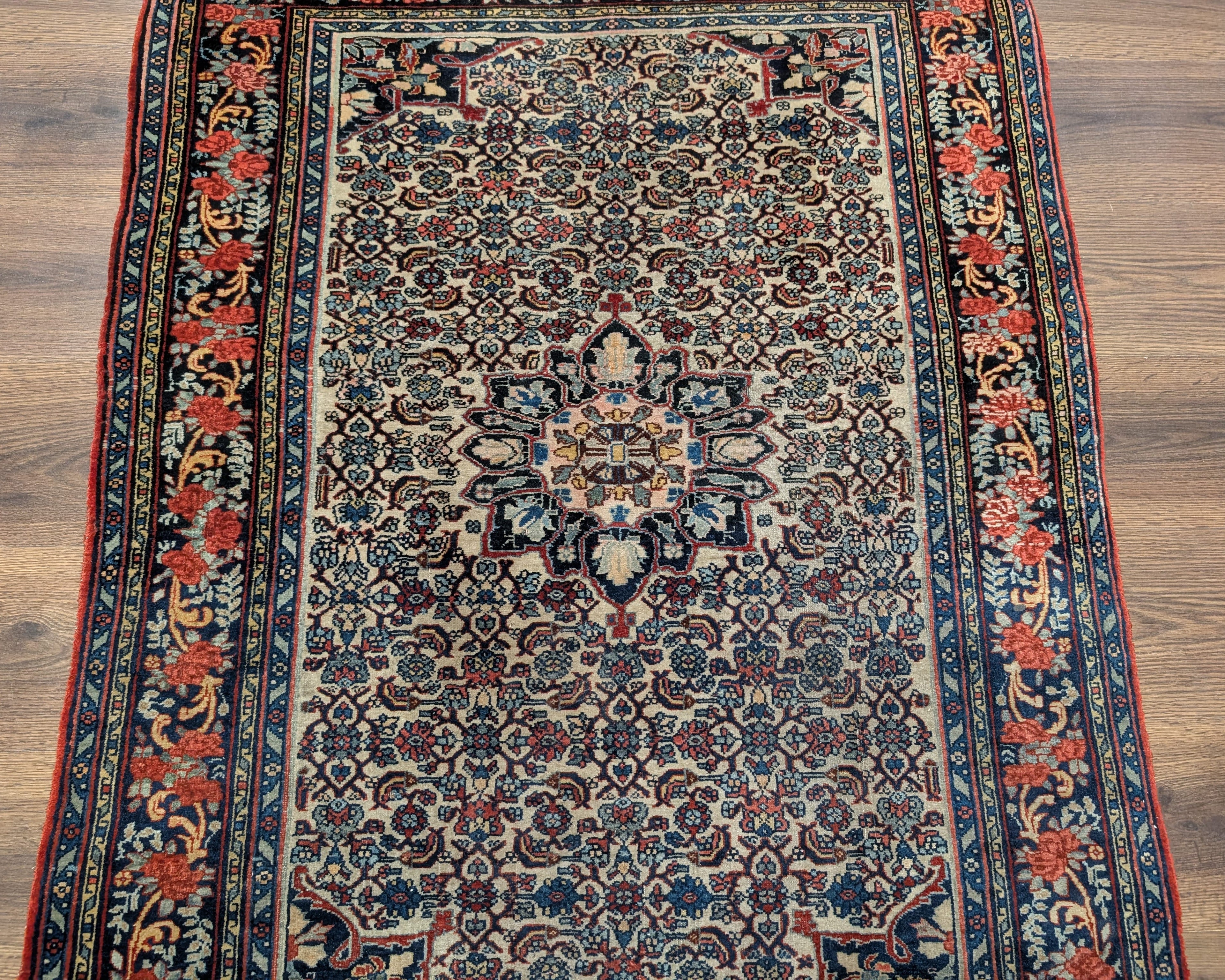
The Resilient Elegance of Bidjar (Bijar) Rugs
History and Origin
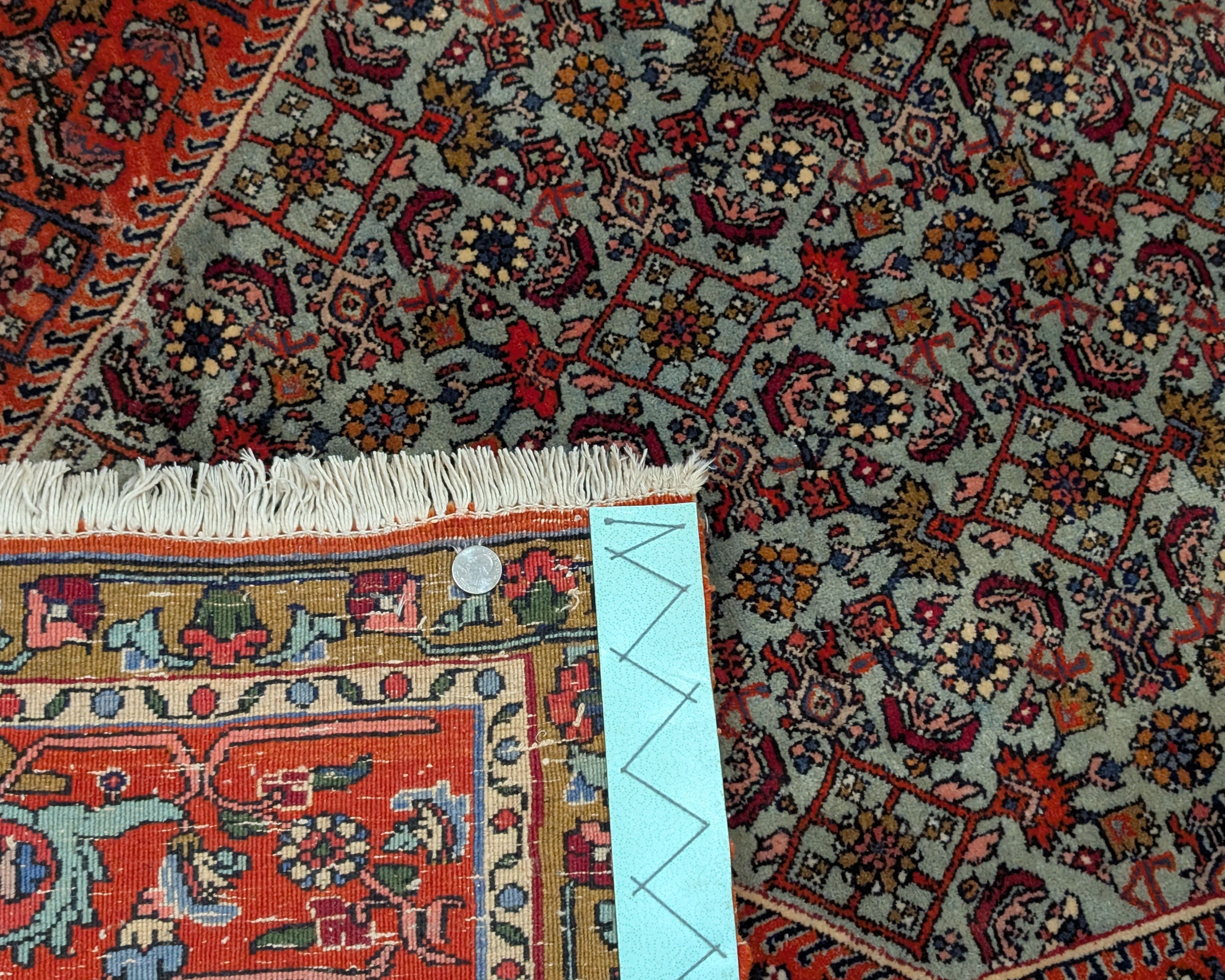
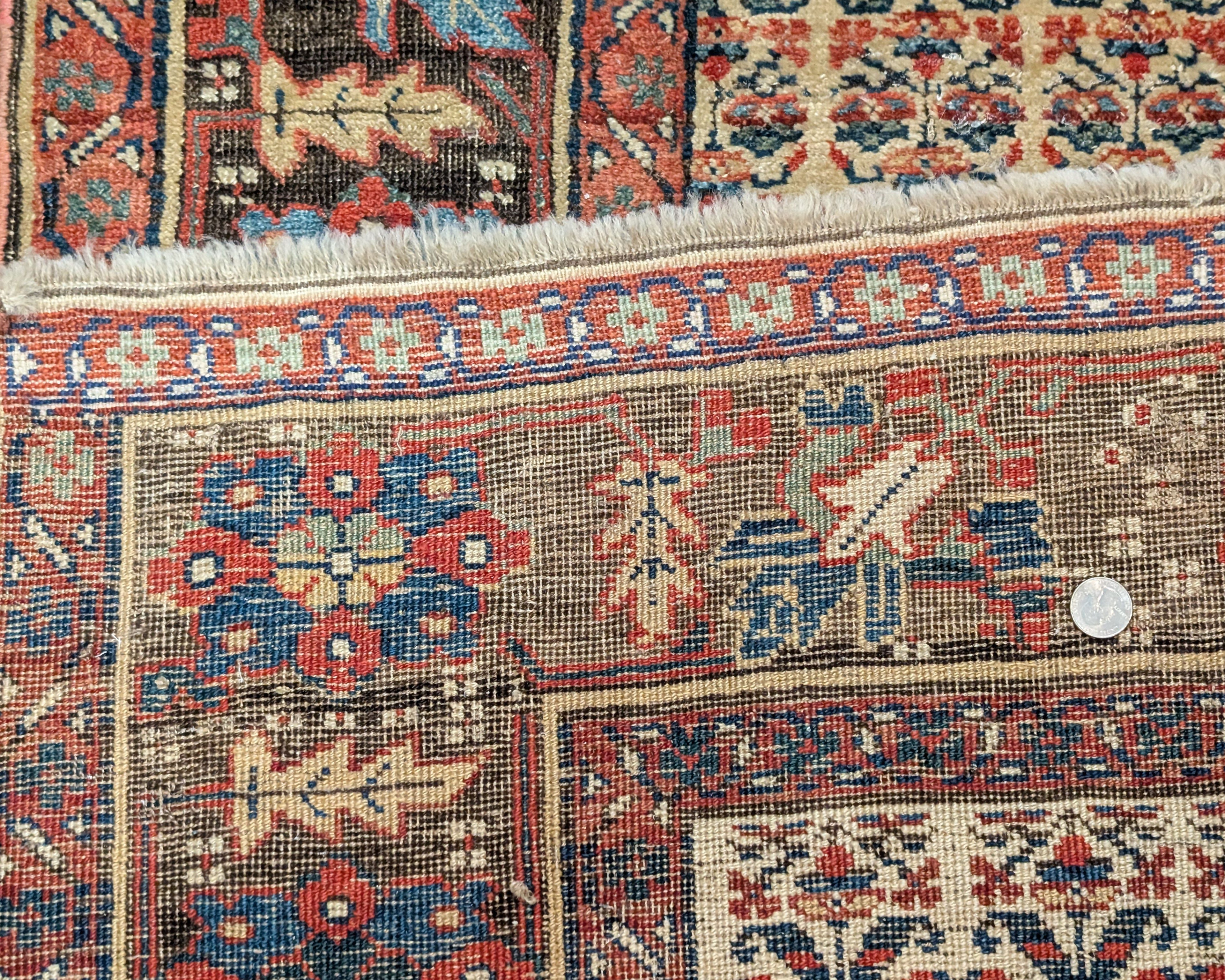
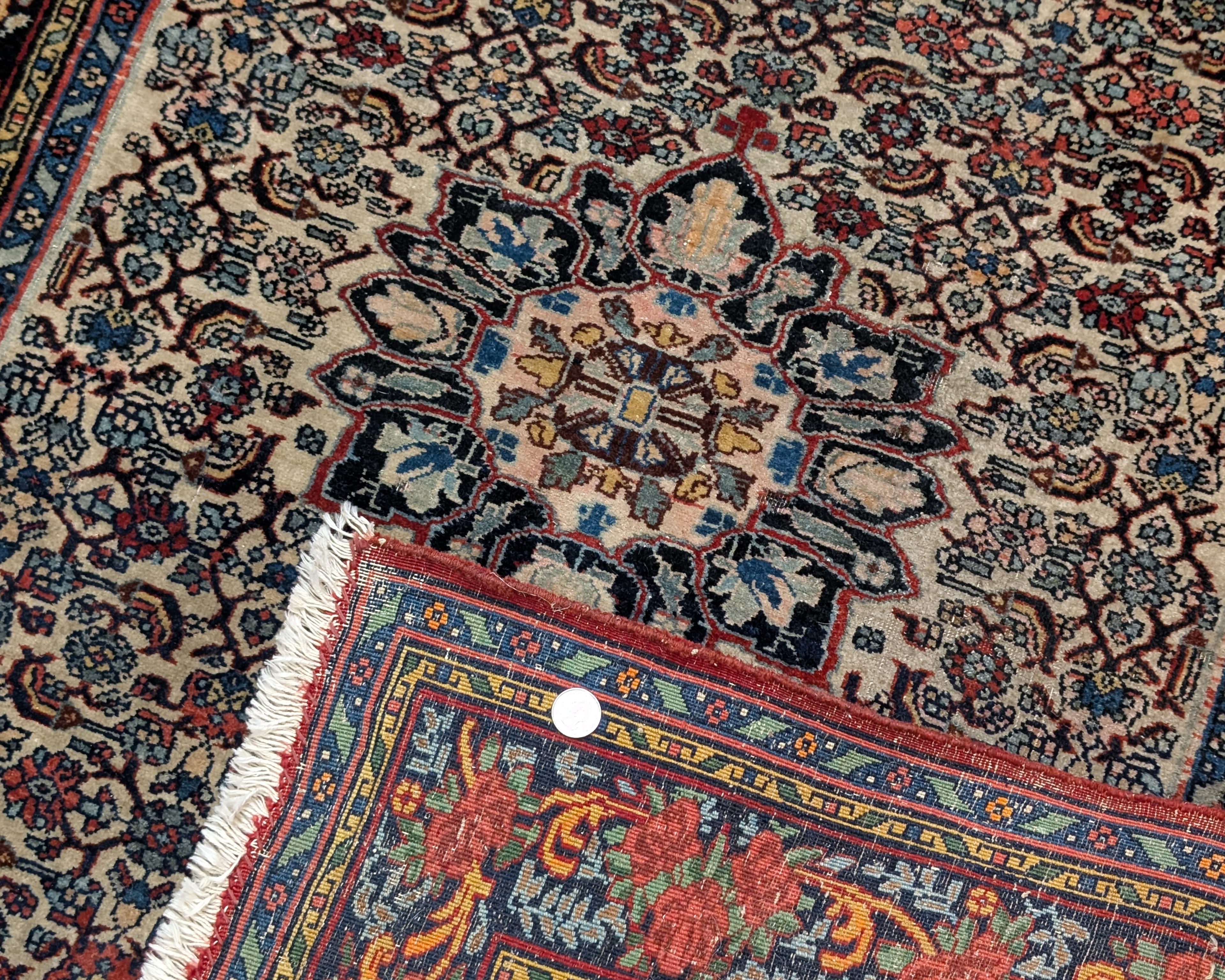
Bidjar rugs hail from the Kurdish town of Bidjar in northwest Iran, a region known for producing some of the most structurally sound carpets in the world. The weaving tradition here is centuries old, with roots in Kurdish tribal culture and influences from neighboring Persian towns. The unique weaving technique, known as wet weaving, involves tightly packing each row of knots with a heavy metal comb, creating a compact, heavy, and nearly indestructible pile. This has earned Bidjar rugs the nickname “Persian iron rugs.”
Design & Motifs
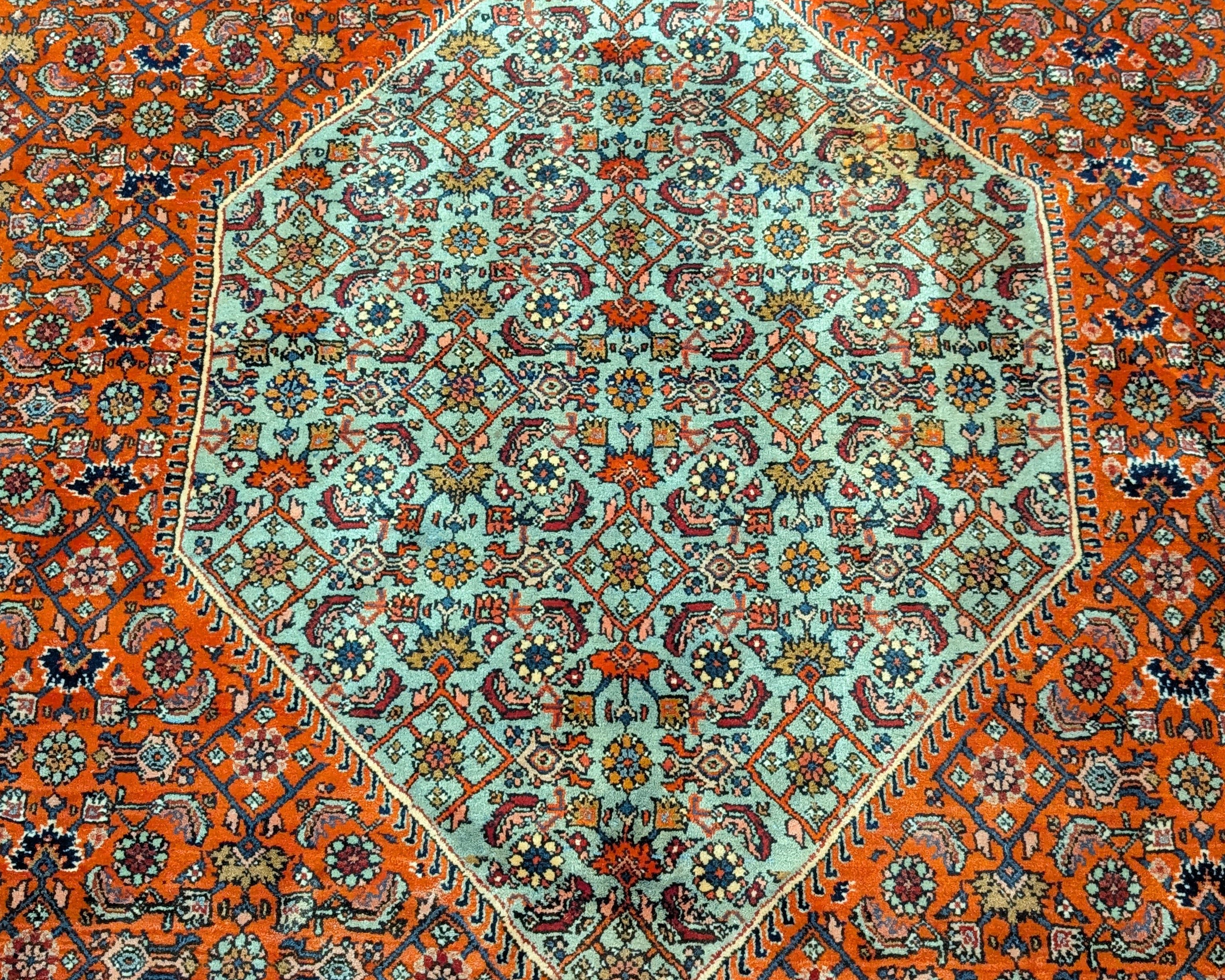
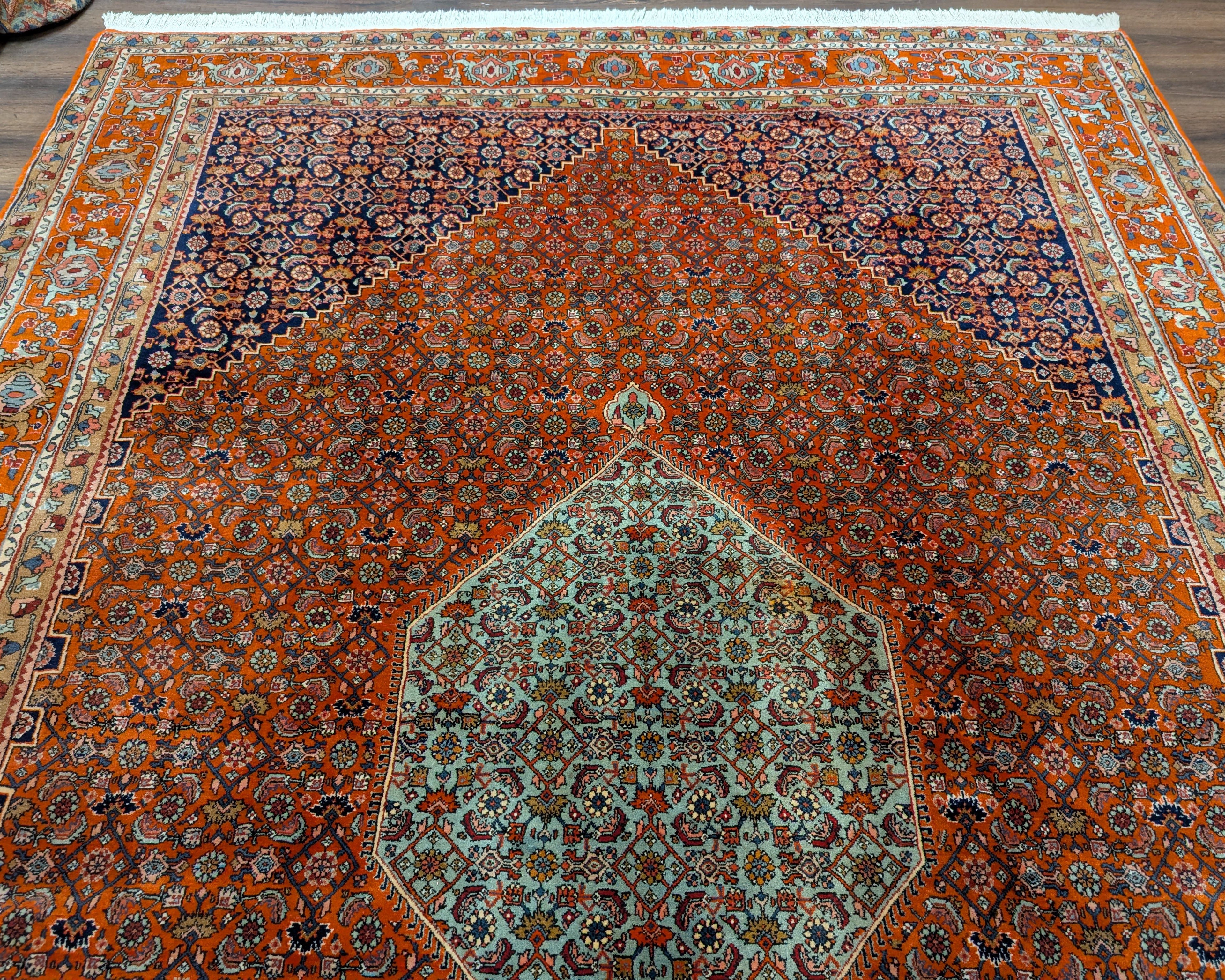
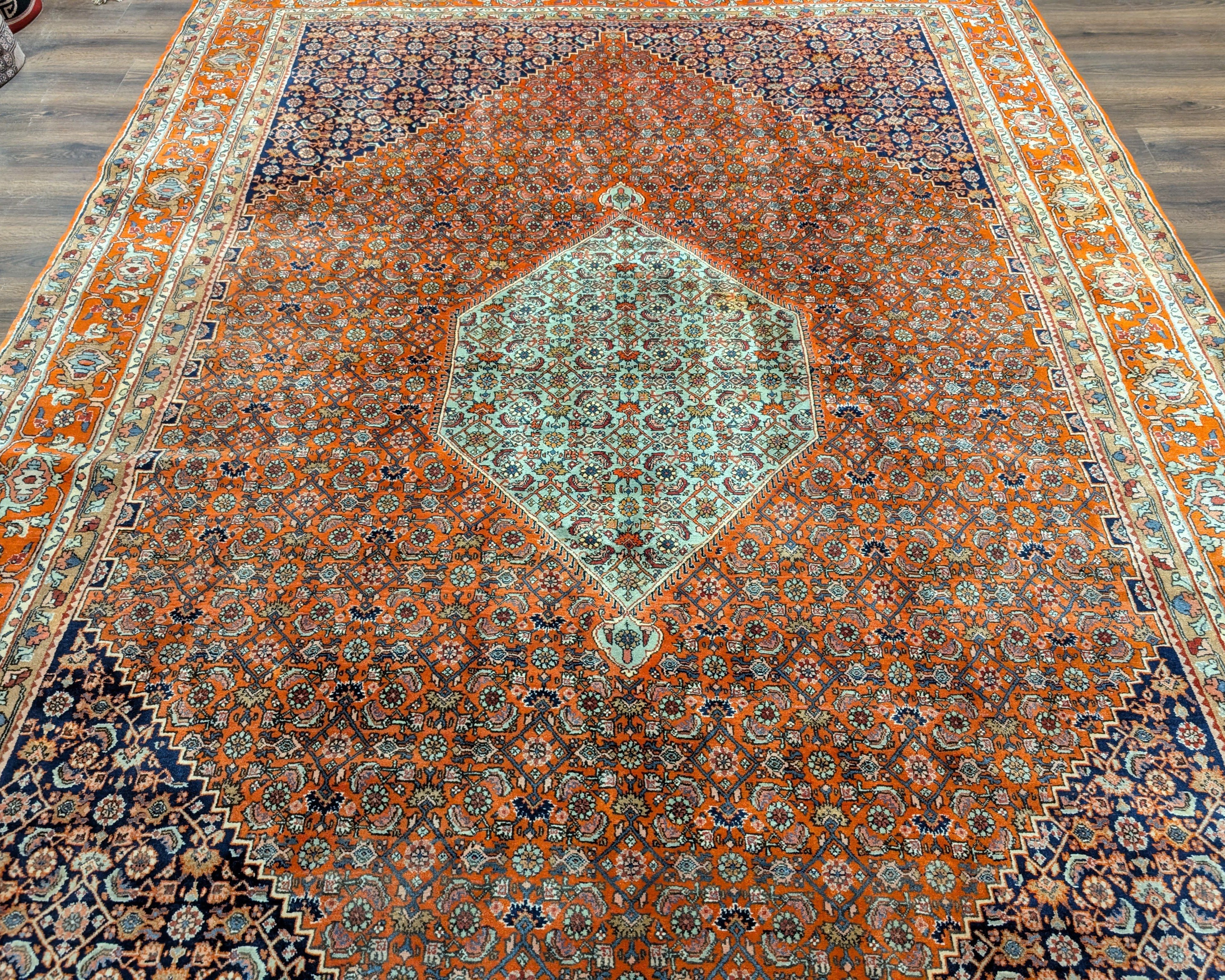
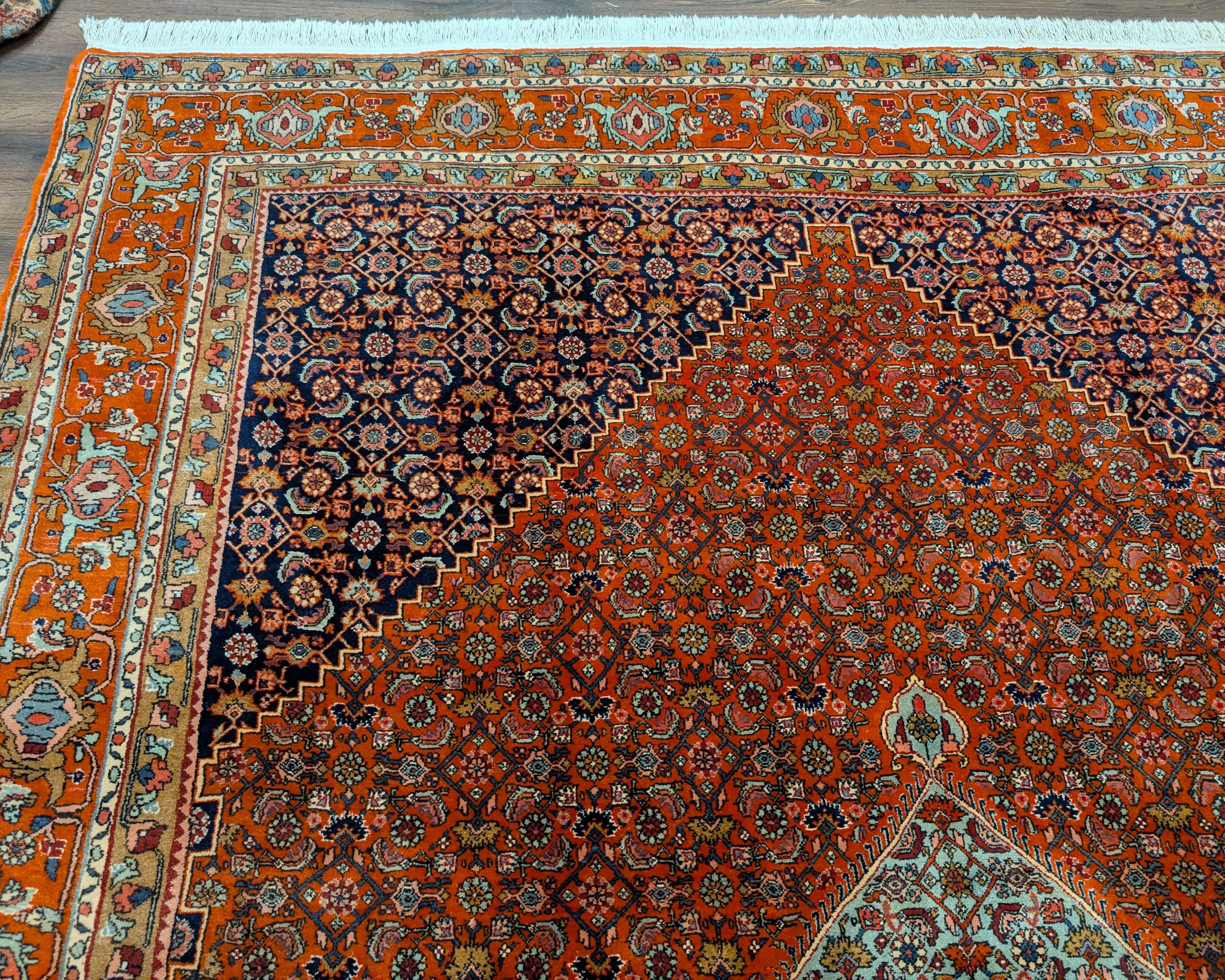
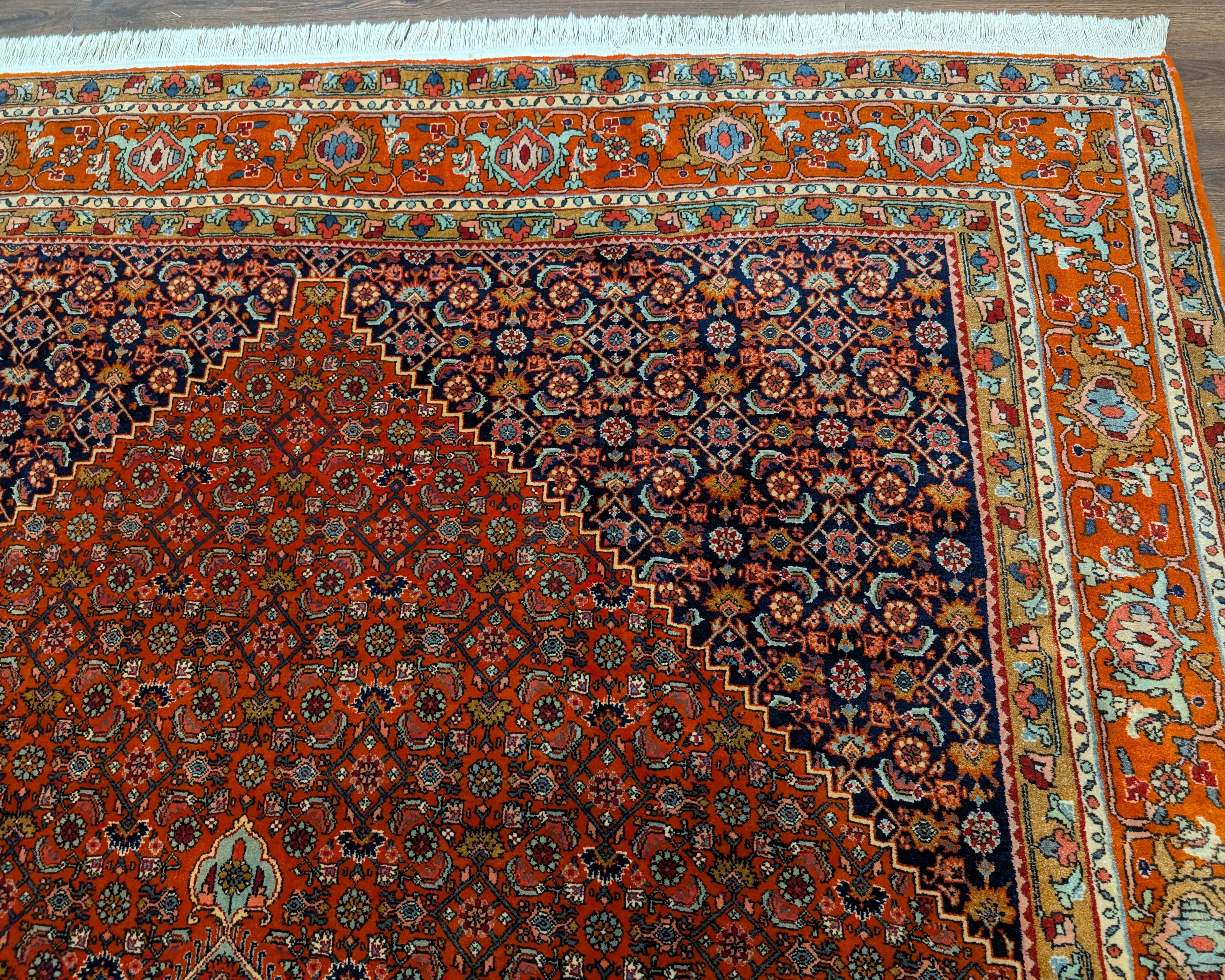
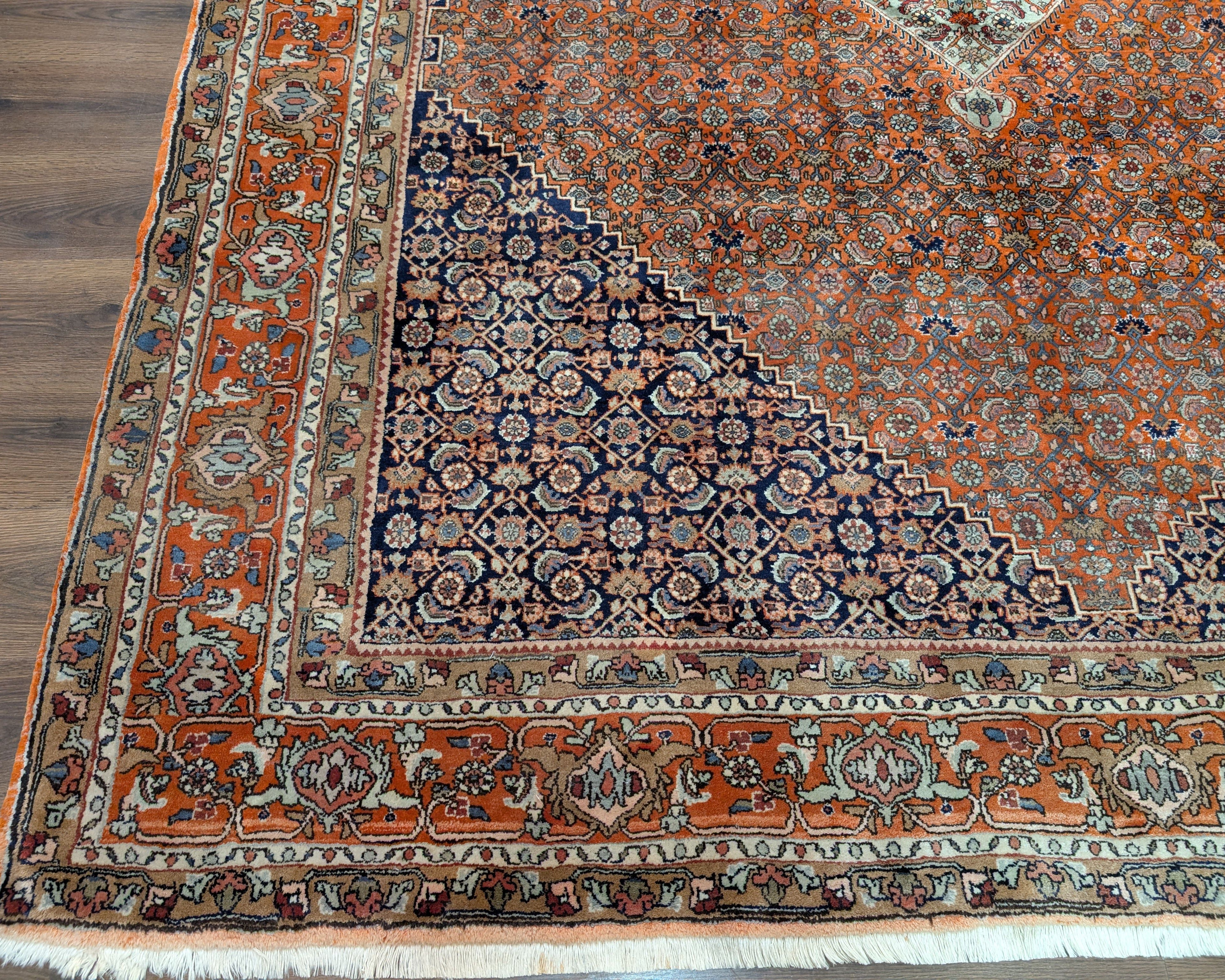
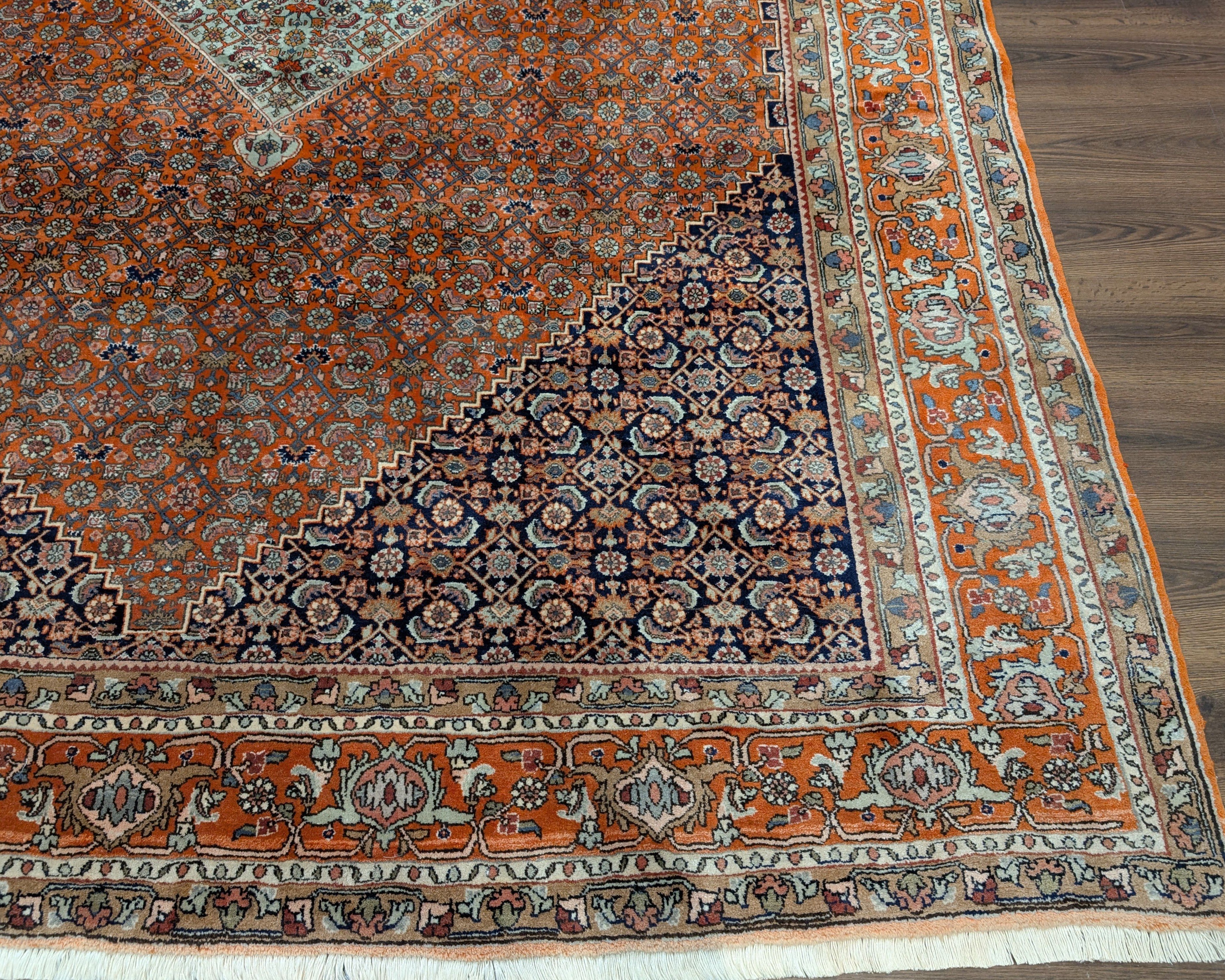
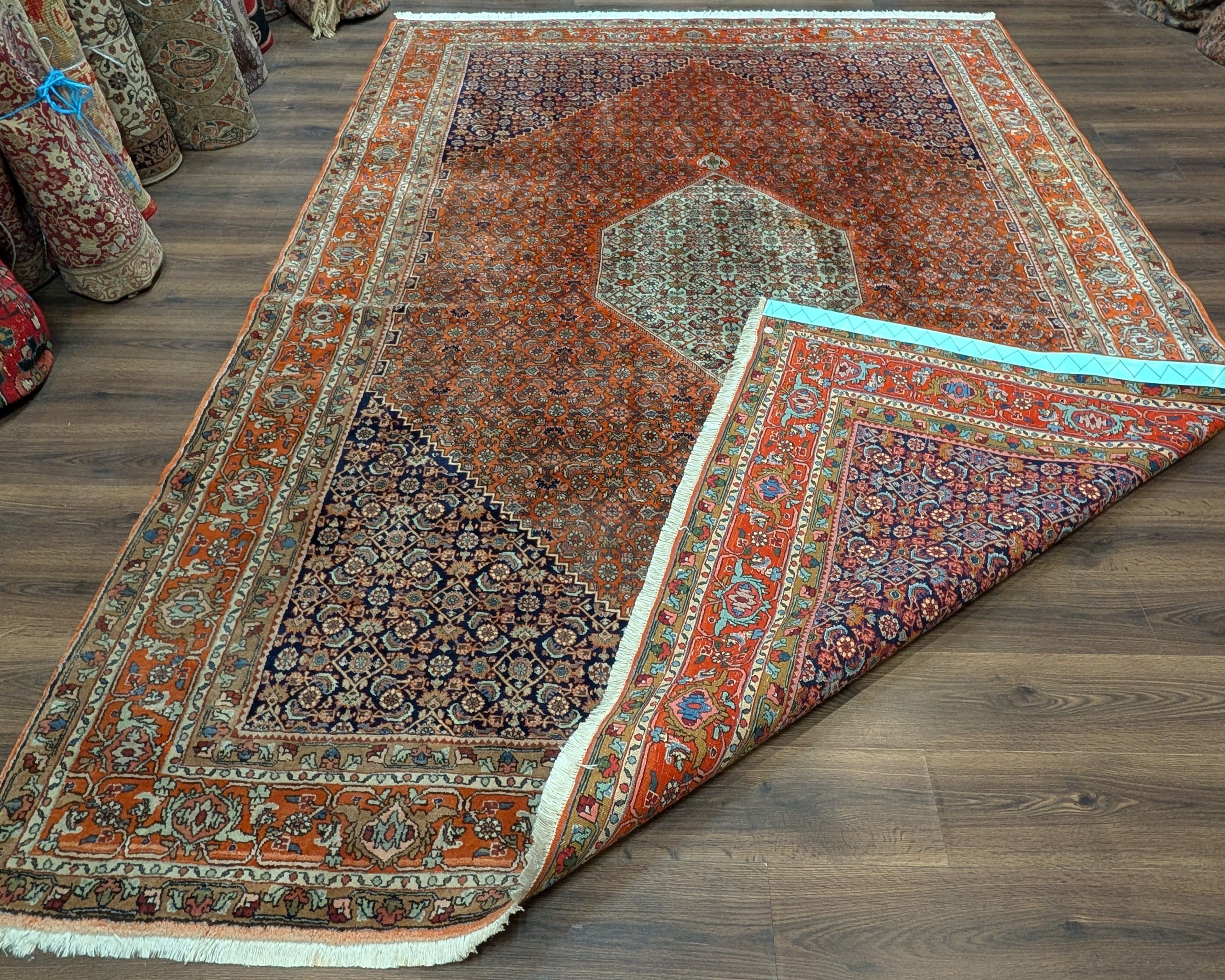
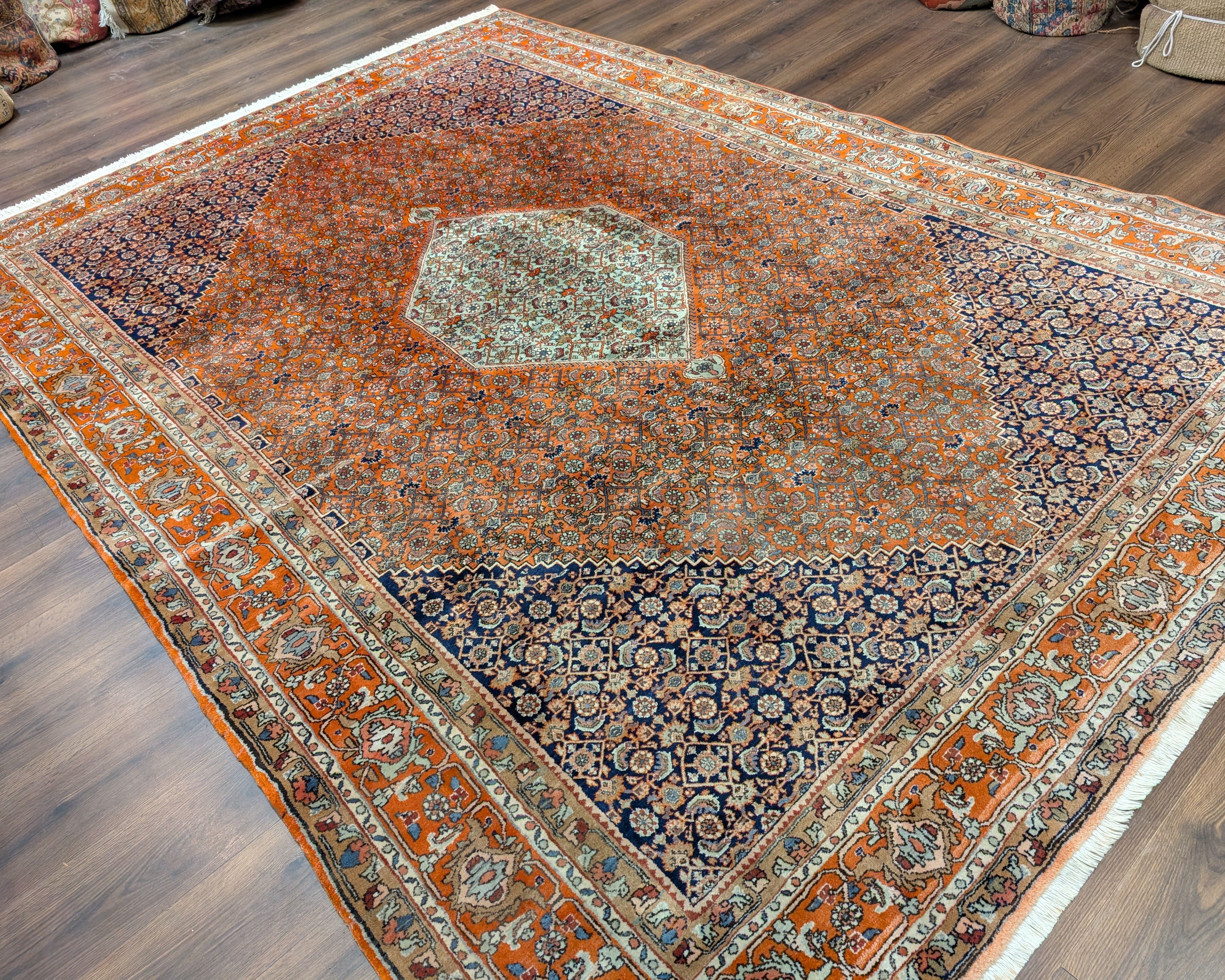
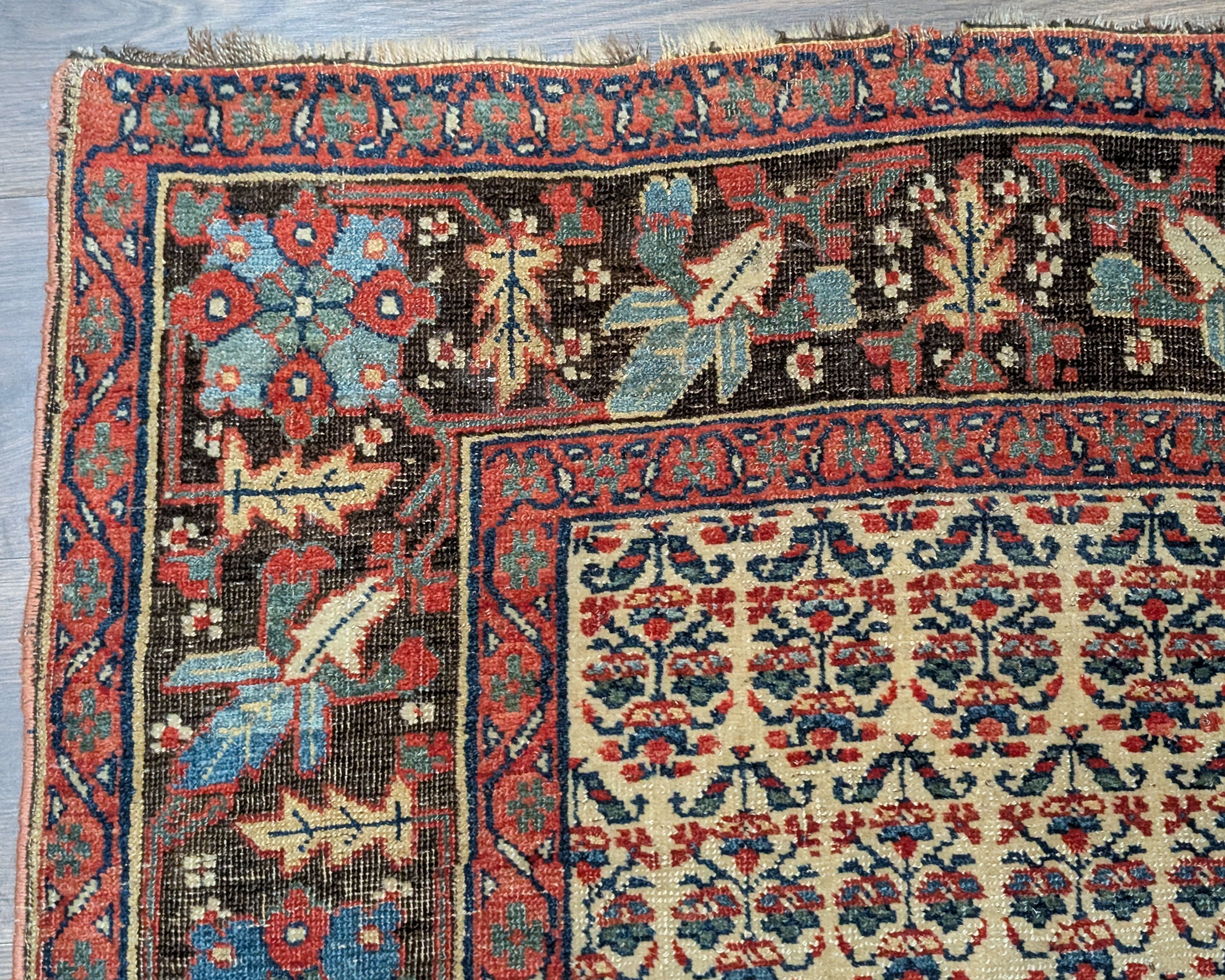
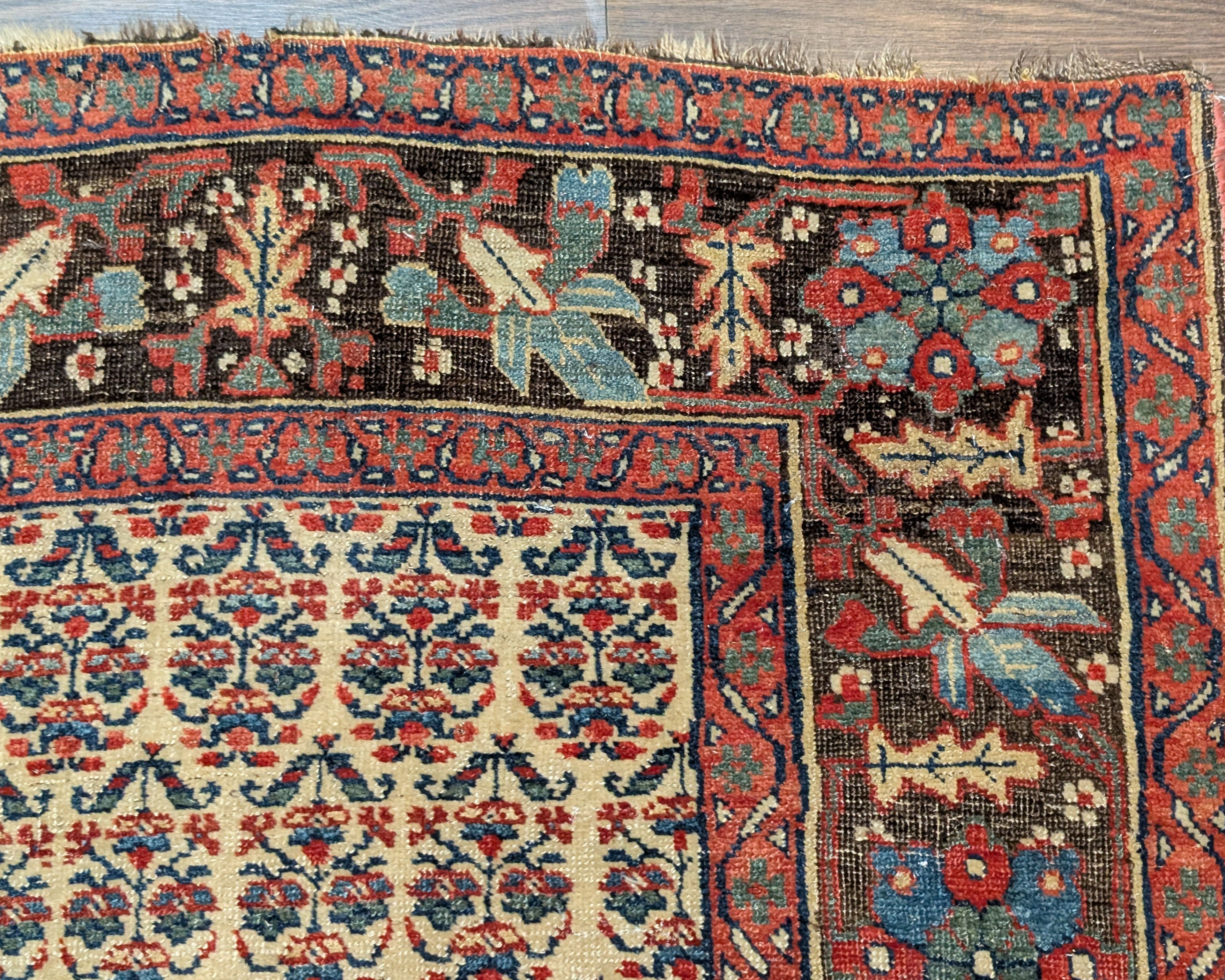
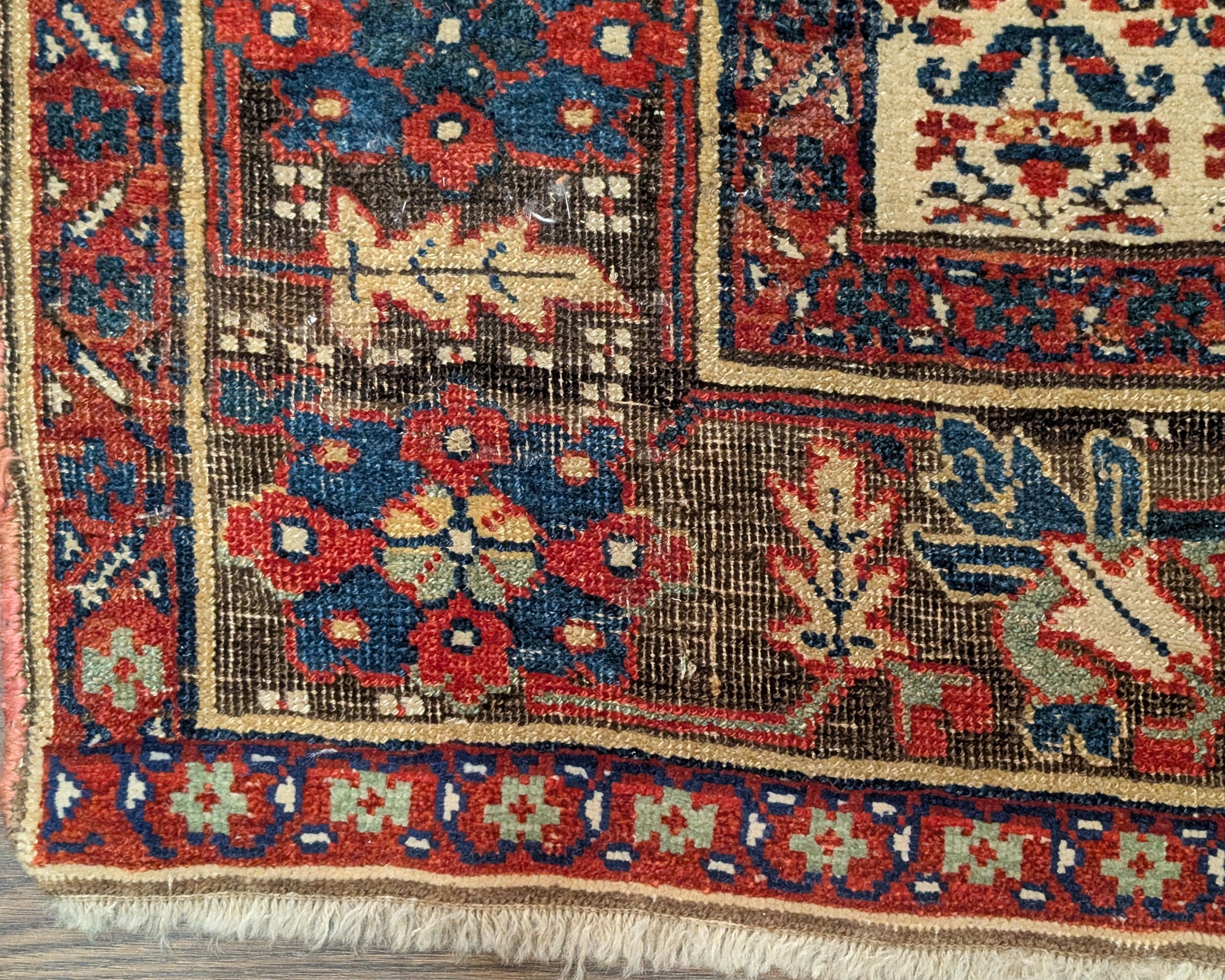
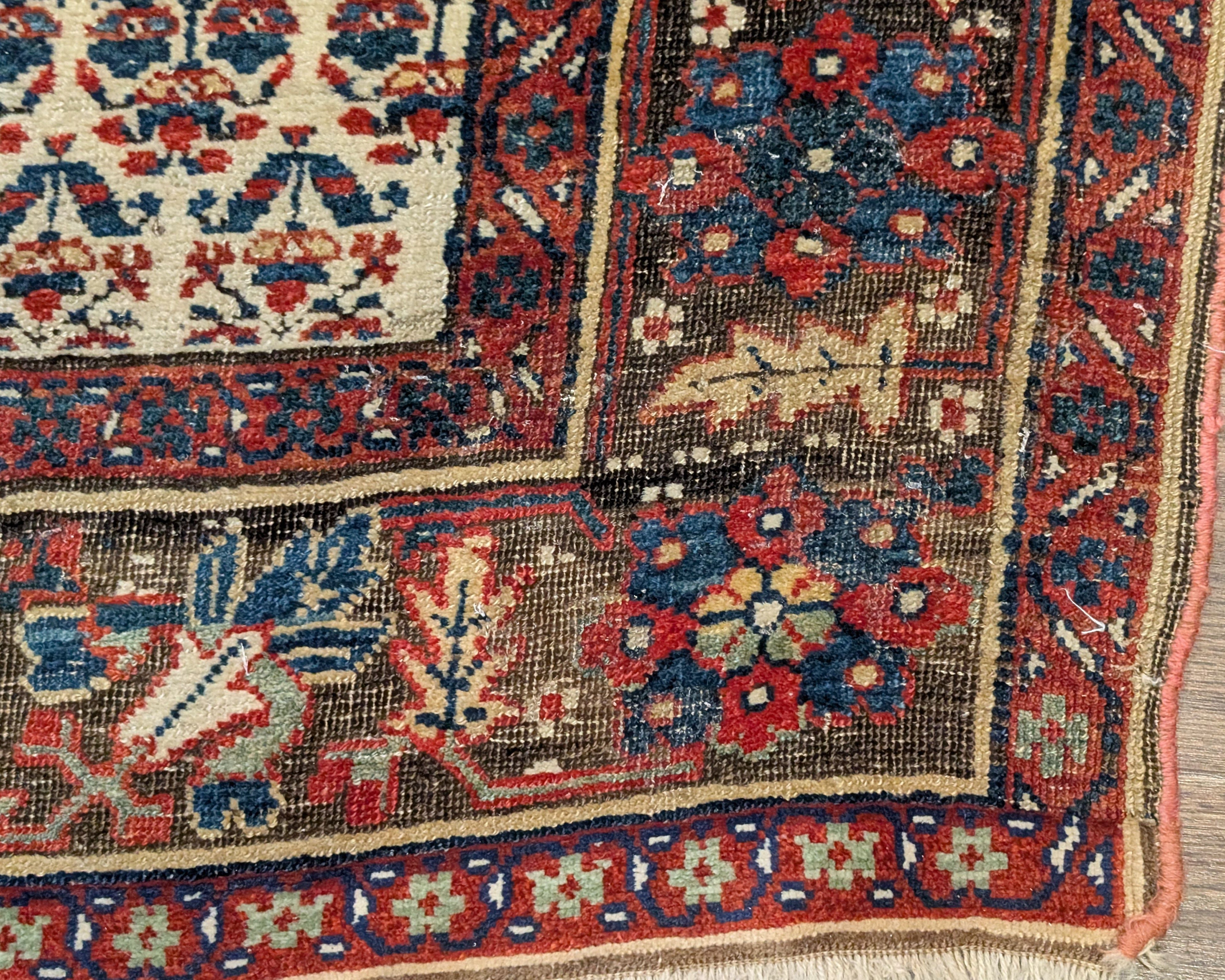
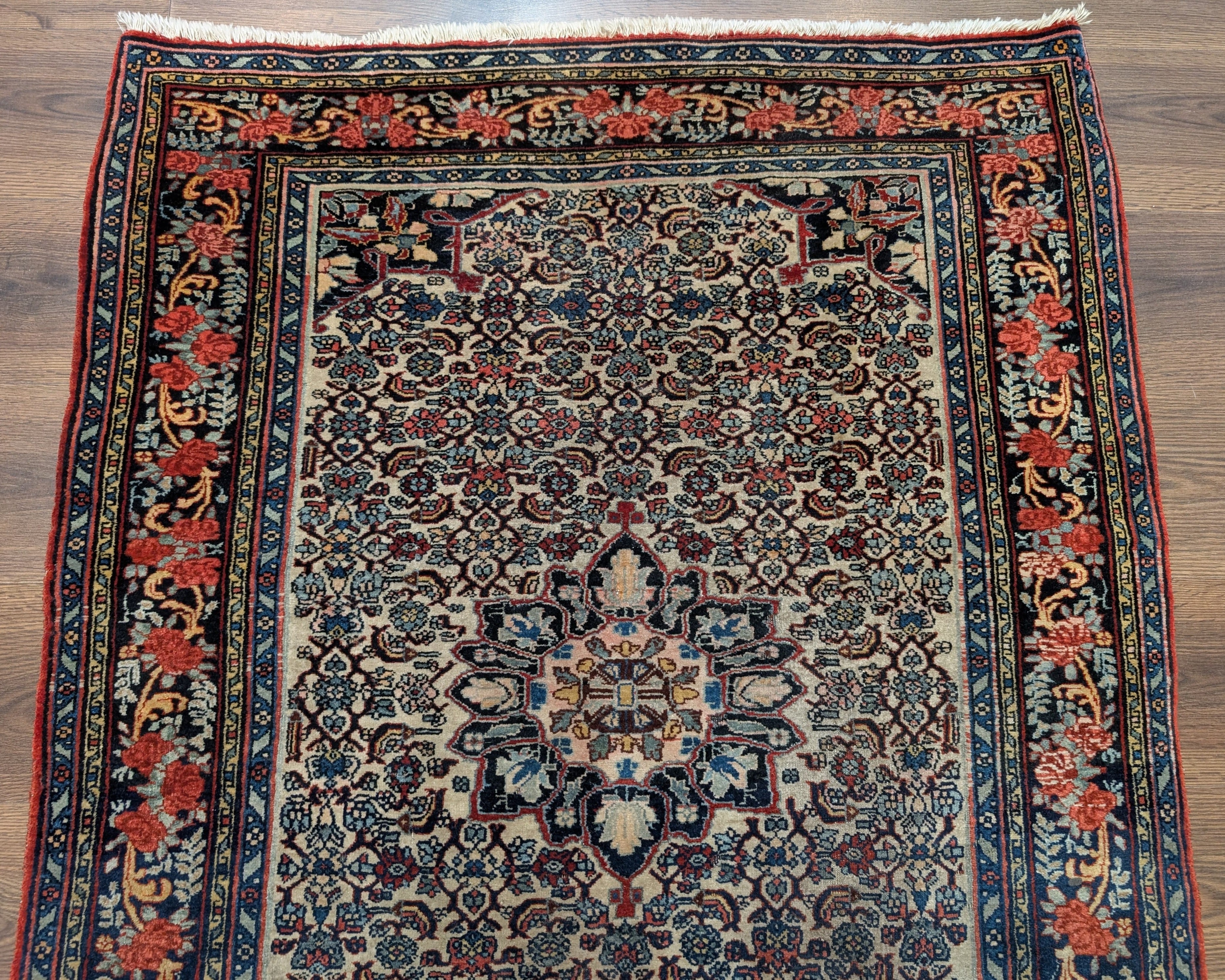
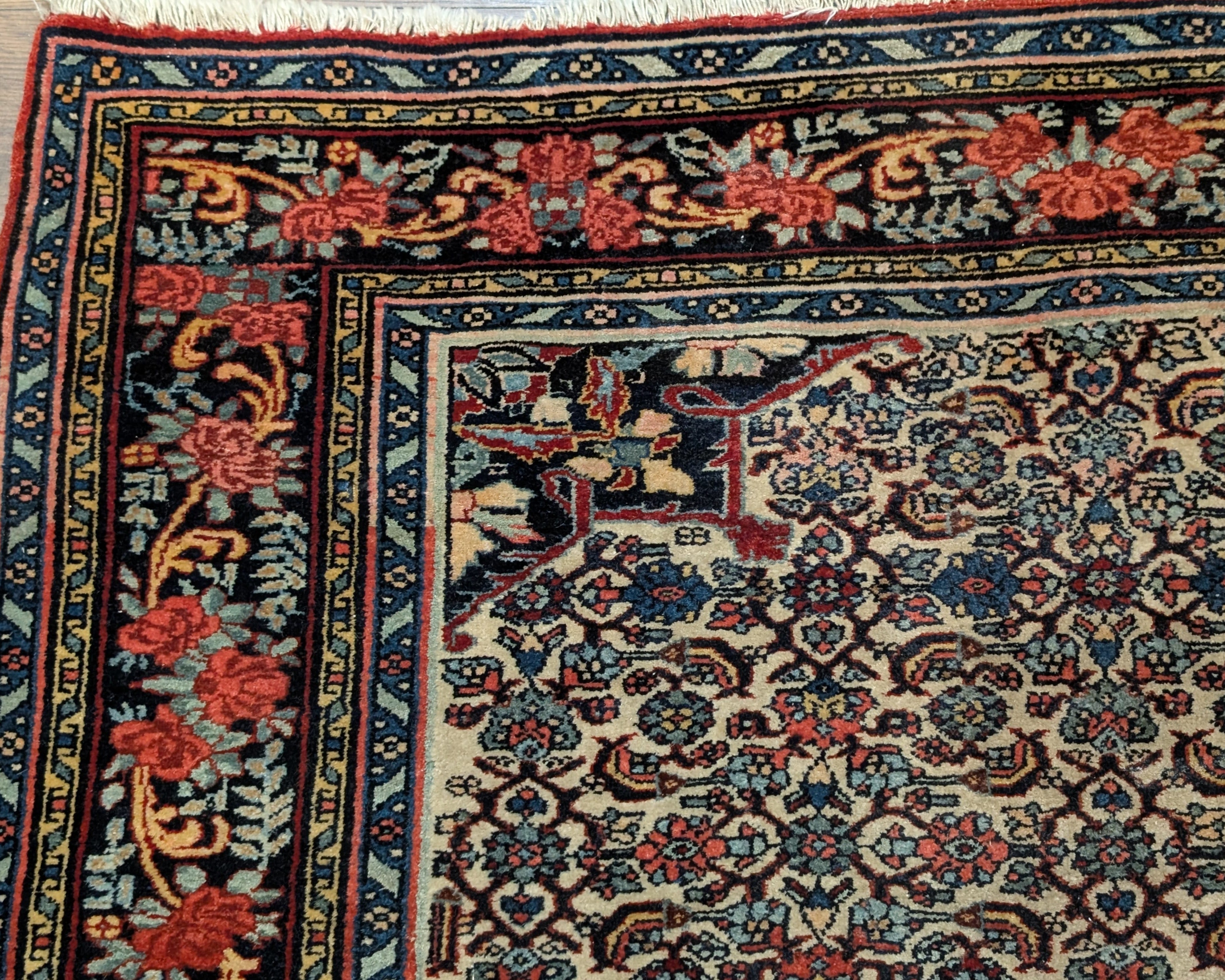
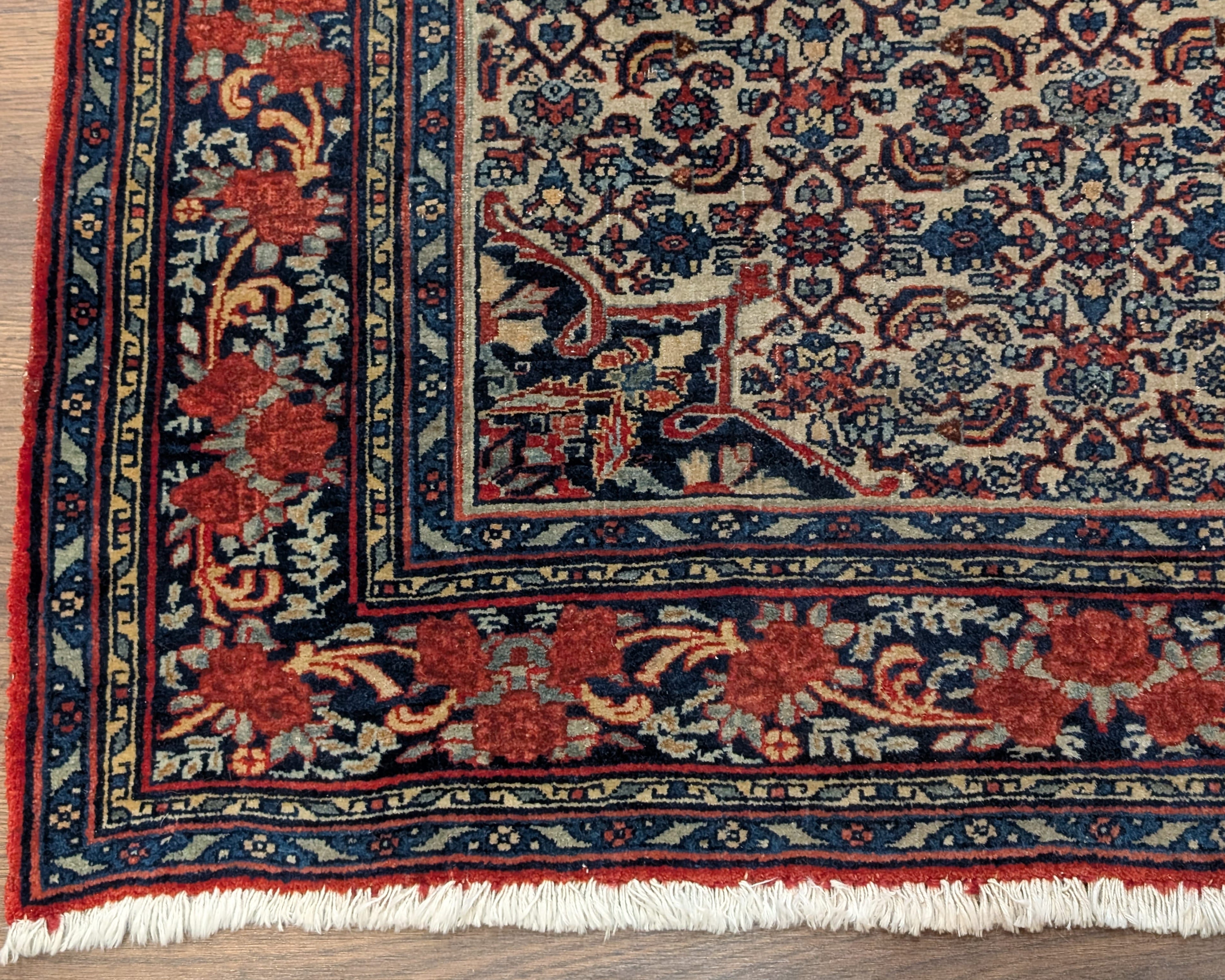
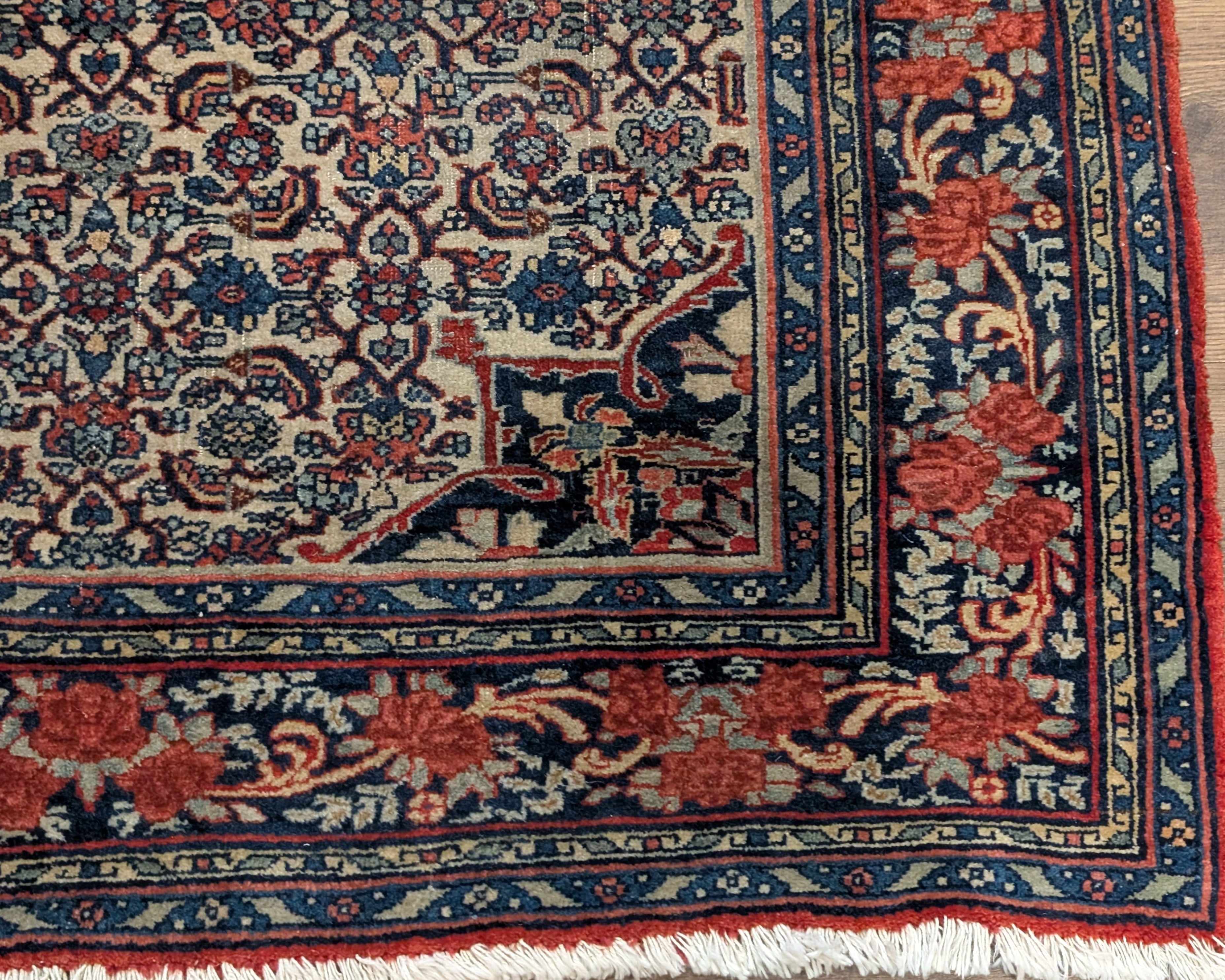
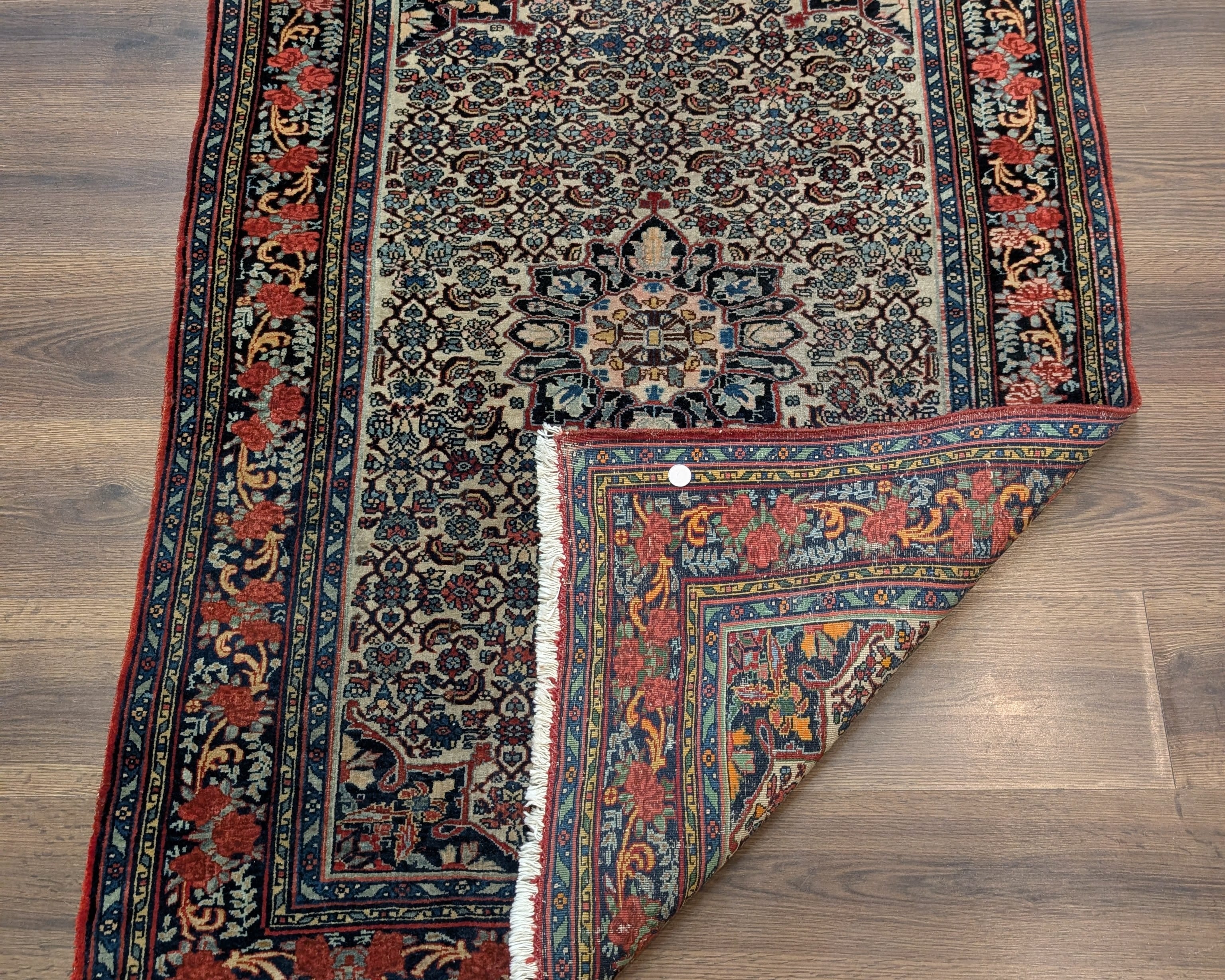
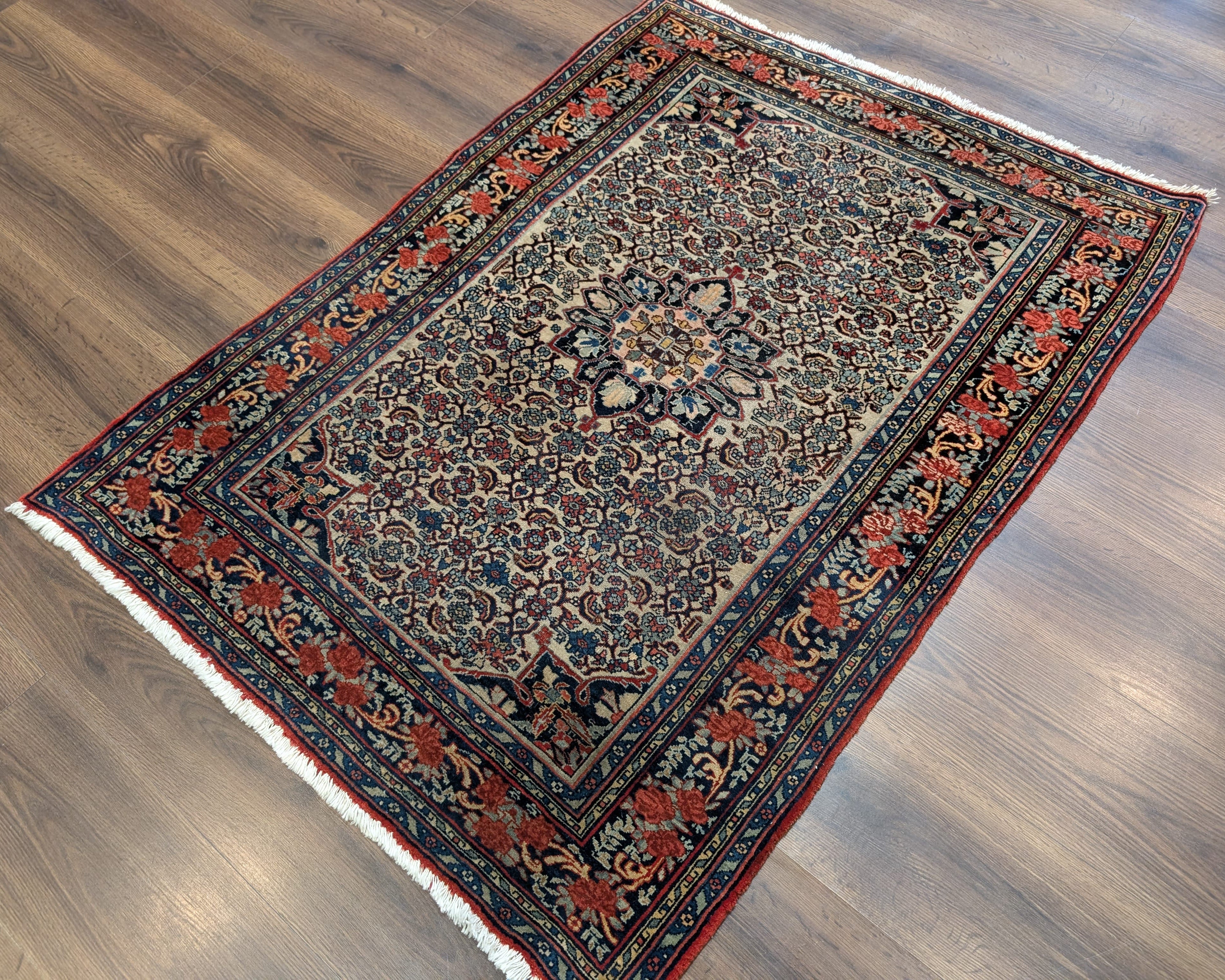
While Bidjar carpets come in a variety of layouts, the most classic designs include diamond-shaped medallions, Herati (fish) motifs, floral patterns, and allover repeats. The borders are usually bold and defined, often showcasing rosettes or palmettes. Some antique Bidjar rugs also feature tribal influences, especially in older or village-woven examples. Though richly detailed, their structure always retains a sense of visual weight and symmetry.
Color Palette
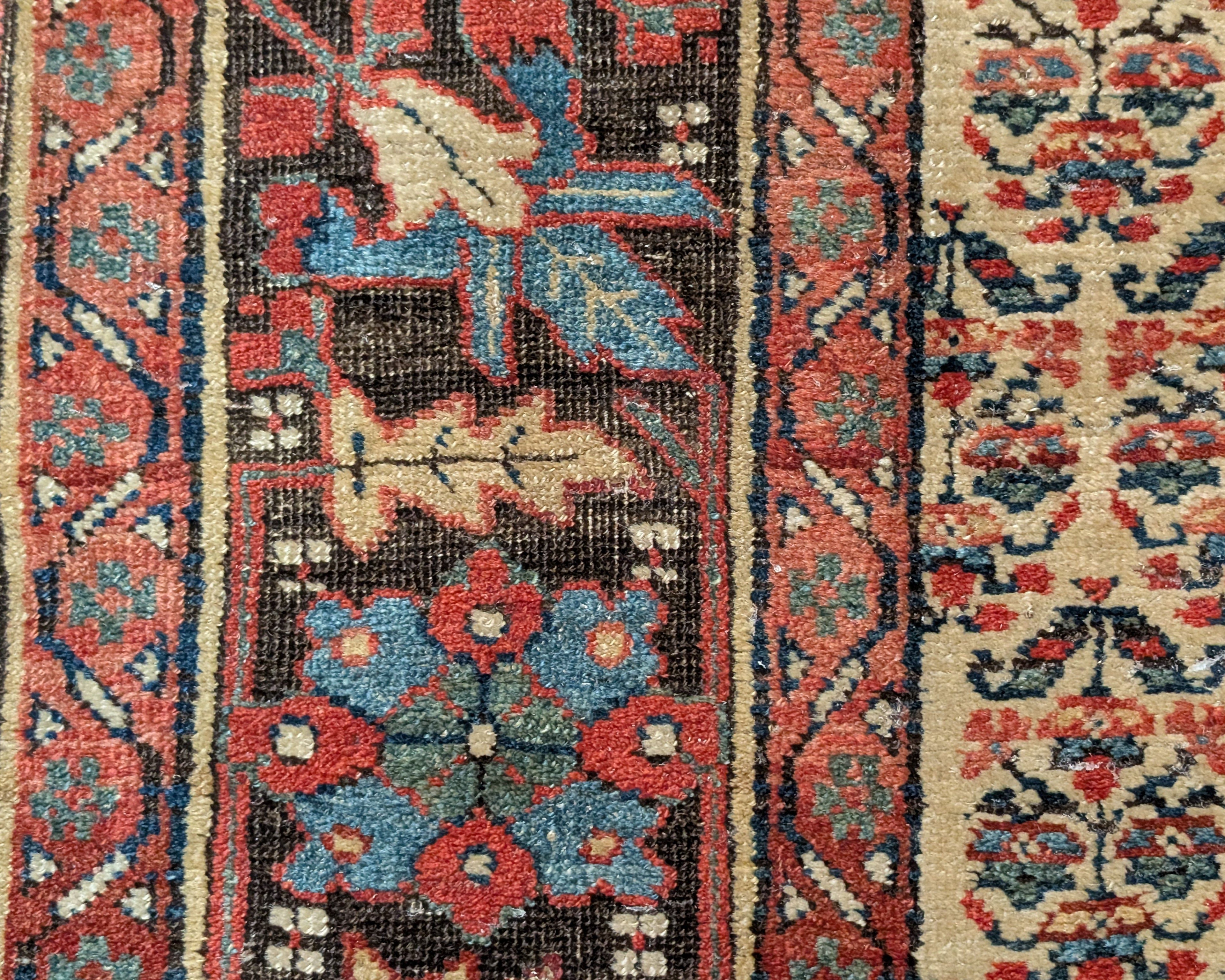
Traditional Bidjar rugs are dominated by deep reds, midnight blues, ivory, and forest greens. These rich, saturated tones are often derived from natural vegetable dyes, and they age beautifully—especially in antique Bidjar rugs from the late 19th and early 20th centuries.
Construction and Materials
Most Bidjar rugs are woven using high-quality wool pile on a cotton foundation, though some antique examples may include wool warps and wefts. The hallmark of a Bidjar is its dense knotting, with some pieces featuring up to 300 knots per square inch. This not only makes them incredibly durable but also allows for finely detailed patterns. Despite their weight and stiffness when new, Bidjar rugs soften over time and can easily last generations.
Types and Sizes
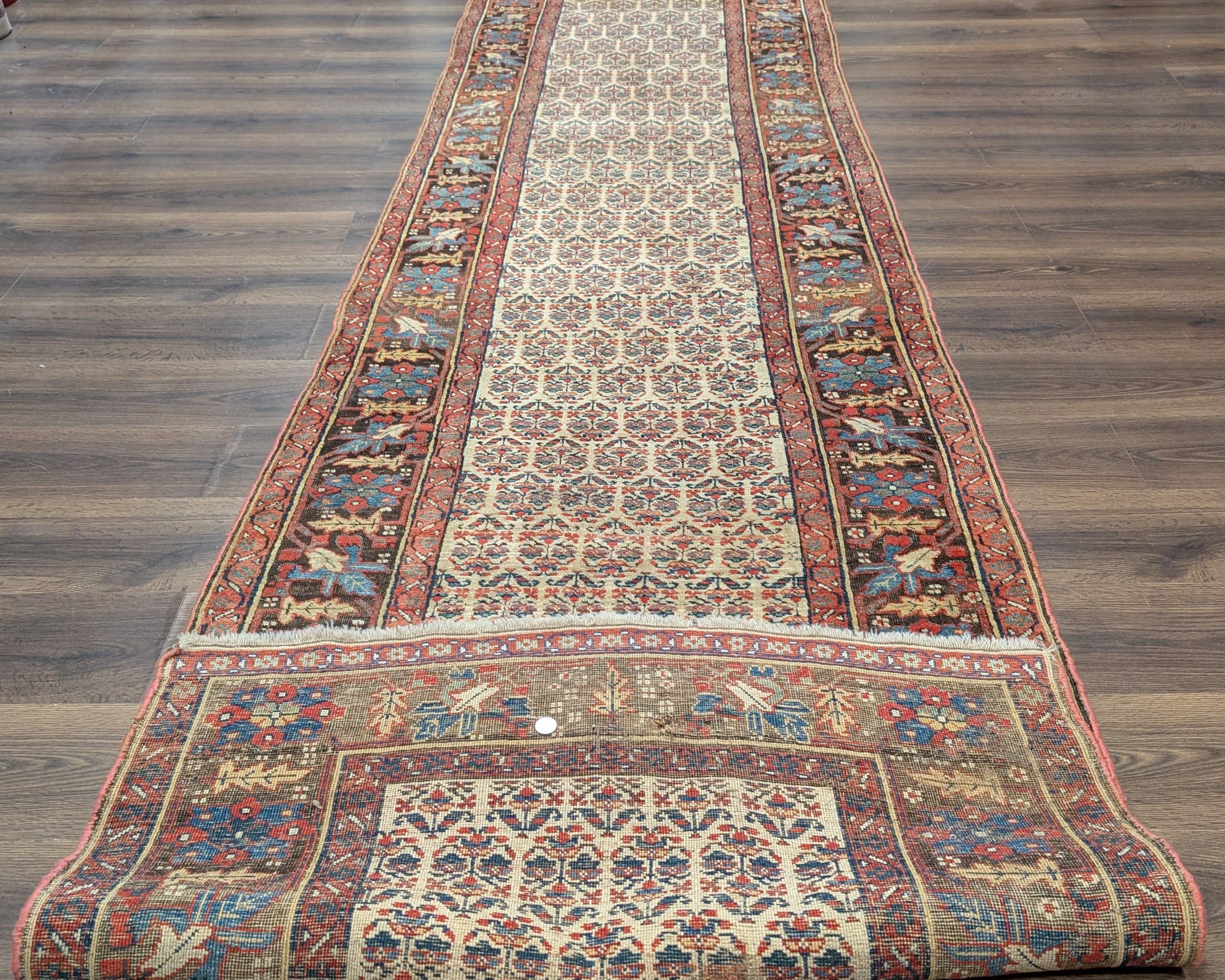
While room-sized rugs are common, Bidjar runners are particularly valued for their narrow, elongated form, often used in hallways and entryways. Square and small scatter sizes are also available and often come from older or tribal-weave examples.
FAQ Section
What makes a Bidjar rug so durable?
Bidjar rugs are woven with a unique wet-weaving technique where the weft threads are dampened and tightly packed, creating a dense, stiff structure. Combined with high-quality wool and compact knotting, this method gives Bidjar rugs their unmatched durability.
Are all Bidjar rugs considered Persian rugs?
Yes. Bidjar rugs are a specific type of Persian rug, woven in the town of Bidjar in northwest Iran. Their Kurdish origins and Persian design sensibilities make them a unique hybrid within the Persian rug tradition.
What is the difference between an antique Bidjar rug and a modern one?
Antique Bidjar rugs (typically over 80–100 years old) often feature finer hand-spun wool, natural dyes, and more variation in design due to being woven in smaller family workshops. Modern Bidjar rugs, while still hand-knotted, may use synthetic dyes or slightly different weaving techniques and are generally more uniform.
Do Bidjar rugs soften over time?
Yes. While Bidjar rugs are initially stiff and heavy due to their dense construction, they become more supple with use. This makes them particularly appealing as long-term investments for high-traffic areas.
Can Bidjar rugs be used in high-traffic areas?
Absolutely. Their thickness and structural integrity make Bidjar rugs one of the best Persian rug types for foyers, hallways, and living rooms where durability is essential.