Origins of Persian Turkoman Rugs
Persian Turkoman rugs are woven by Turkmen peoples who migrated and settled in northeastern Iran, particularly in Khorassan province. The exquisite antique Persian rugs from Khorassan are the product of a cultural and artistic assimilation between Arabian residents, Kurdish weavers, Turkomans and Persians. This blending of traditions created a unique category where Central Asian tribal motifs merged with Persian weaving techniques and aesthetic sensibilities.
The Distinctive Gul Pattern System
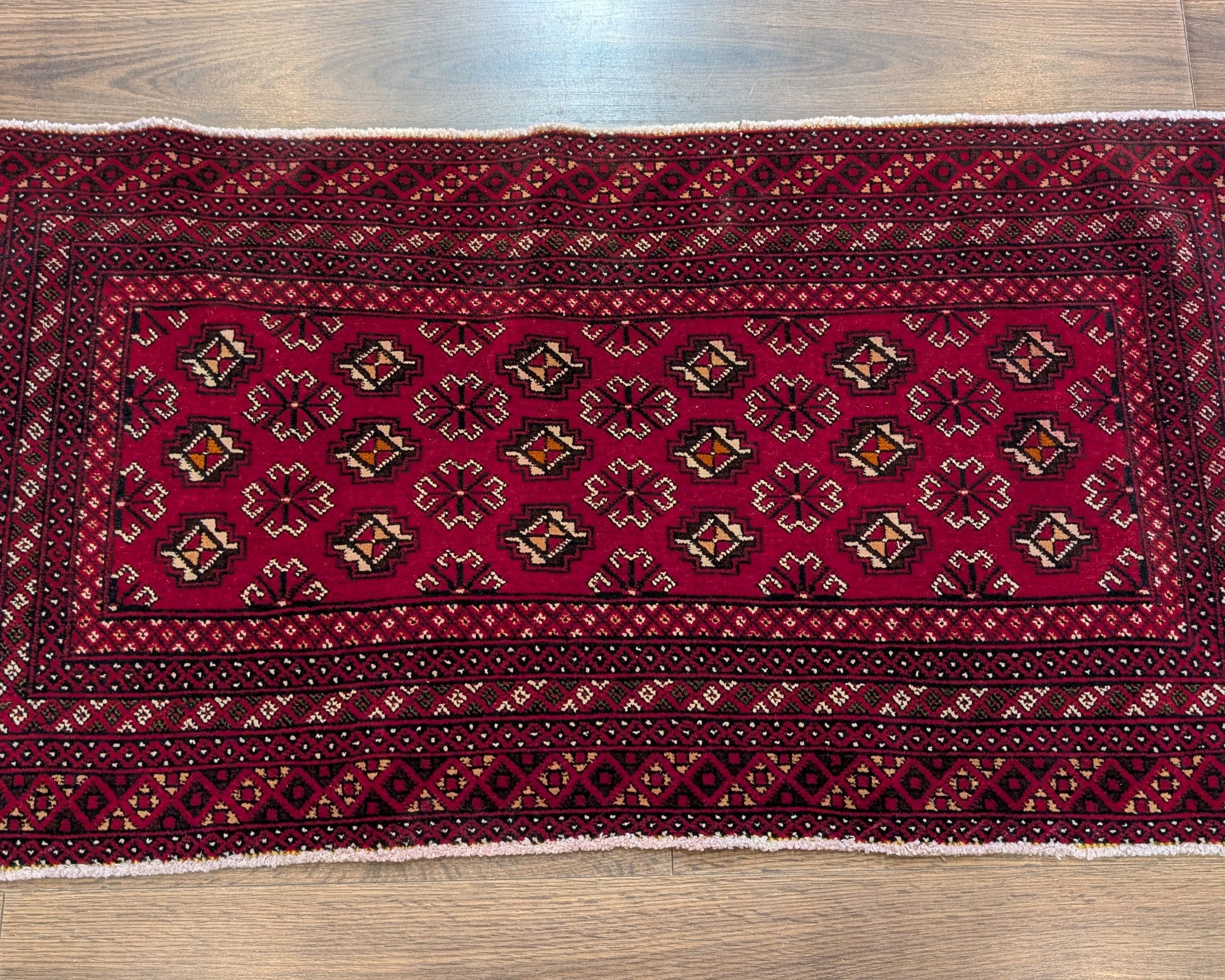
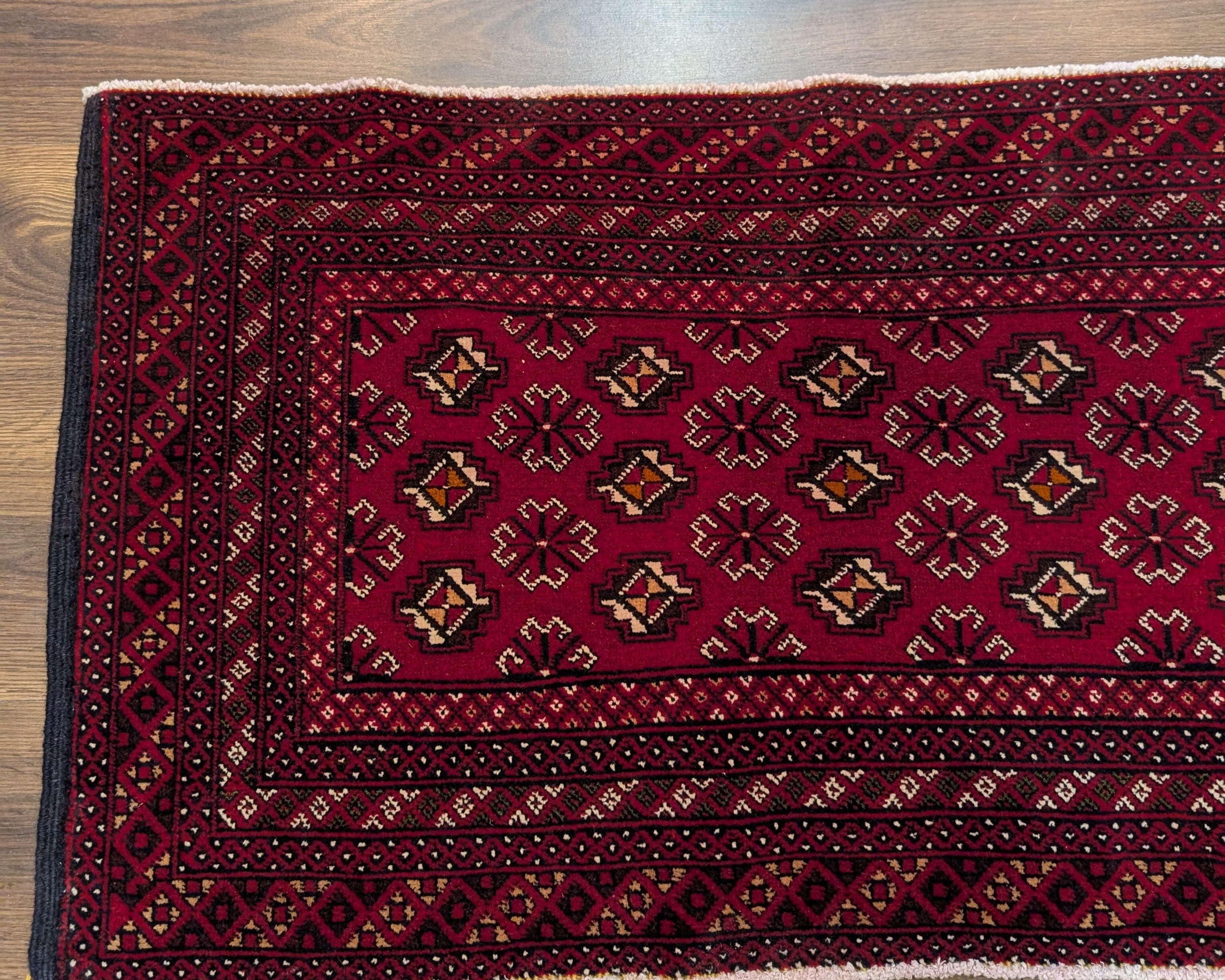
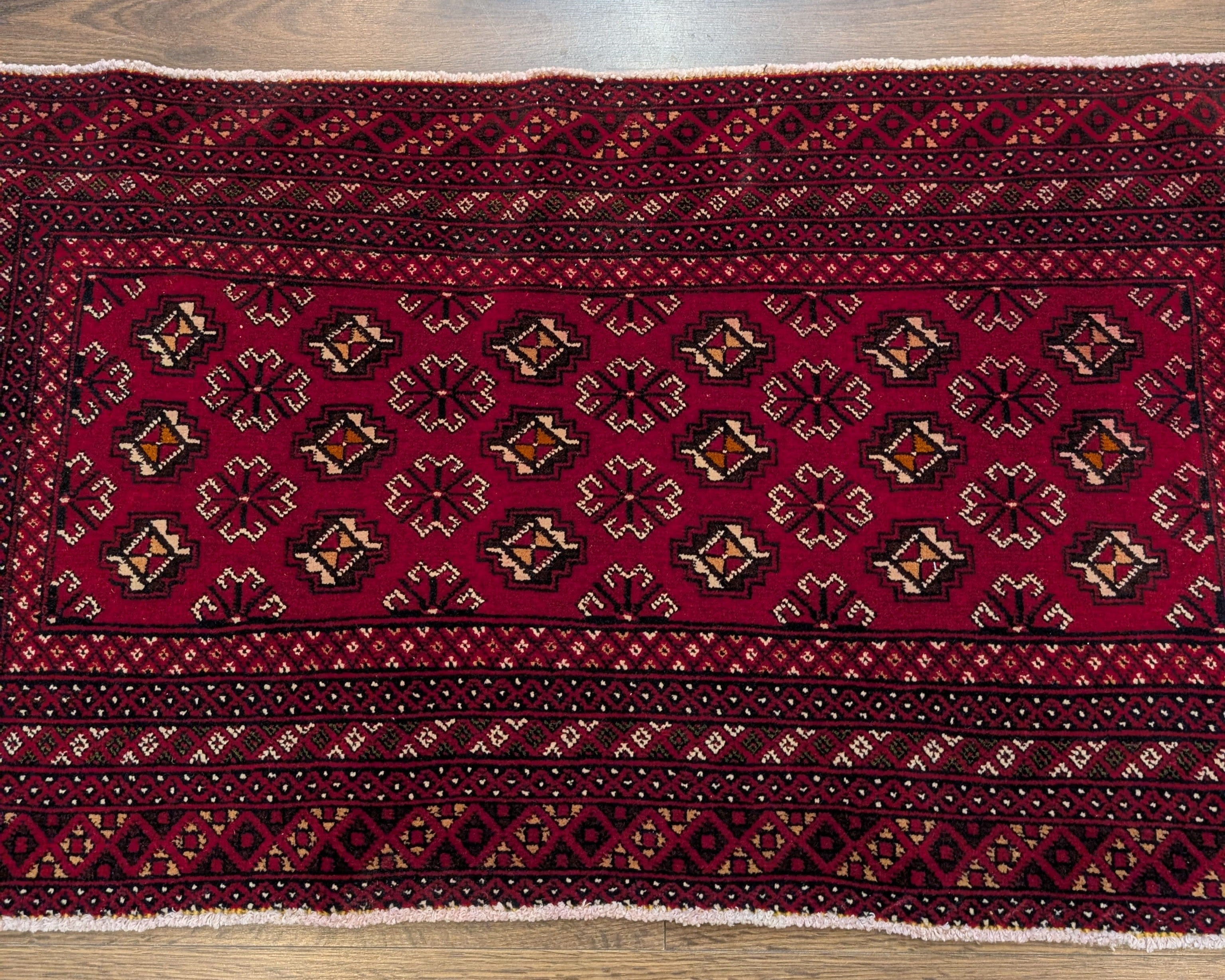
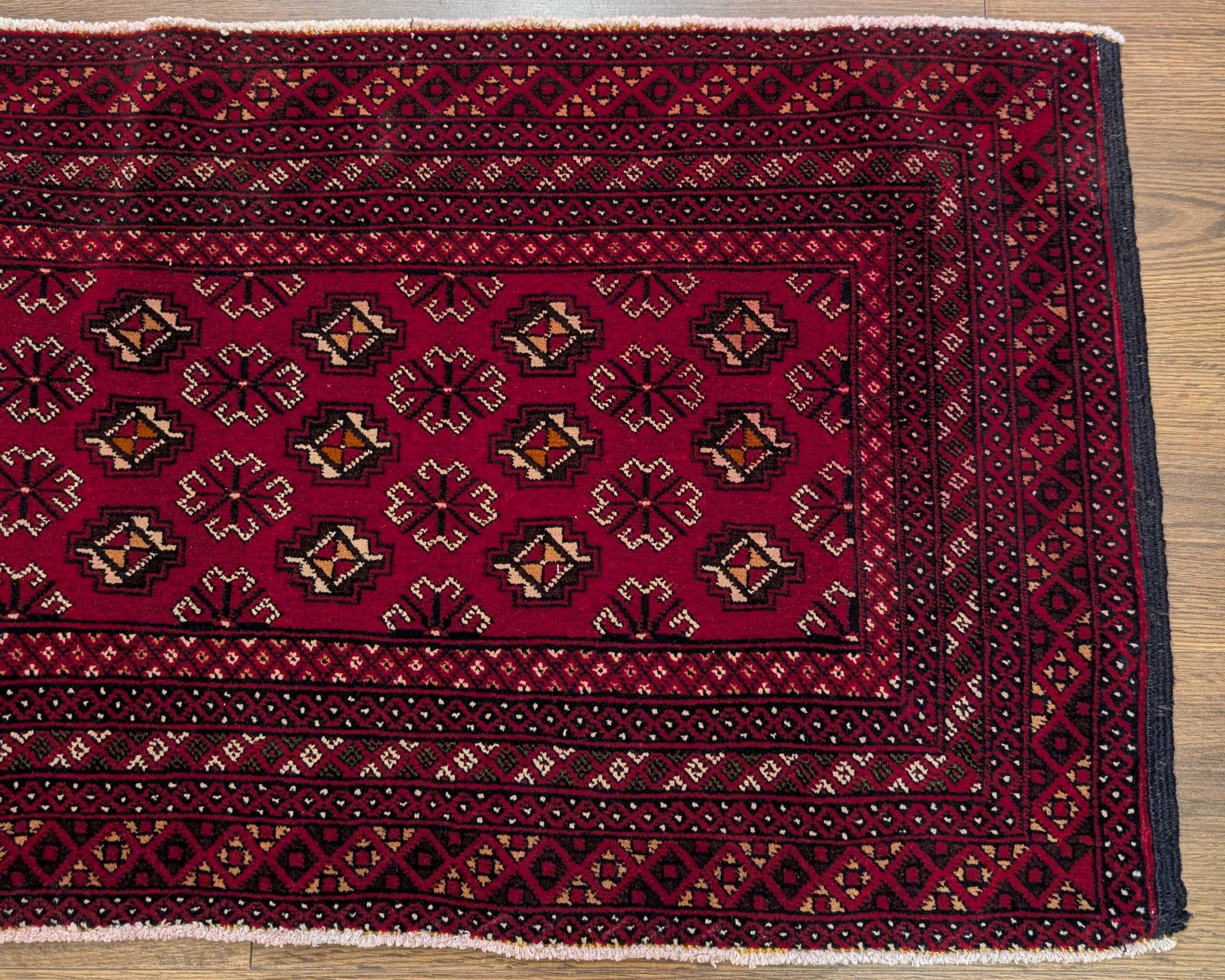
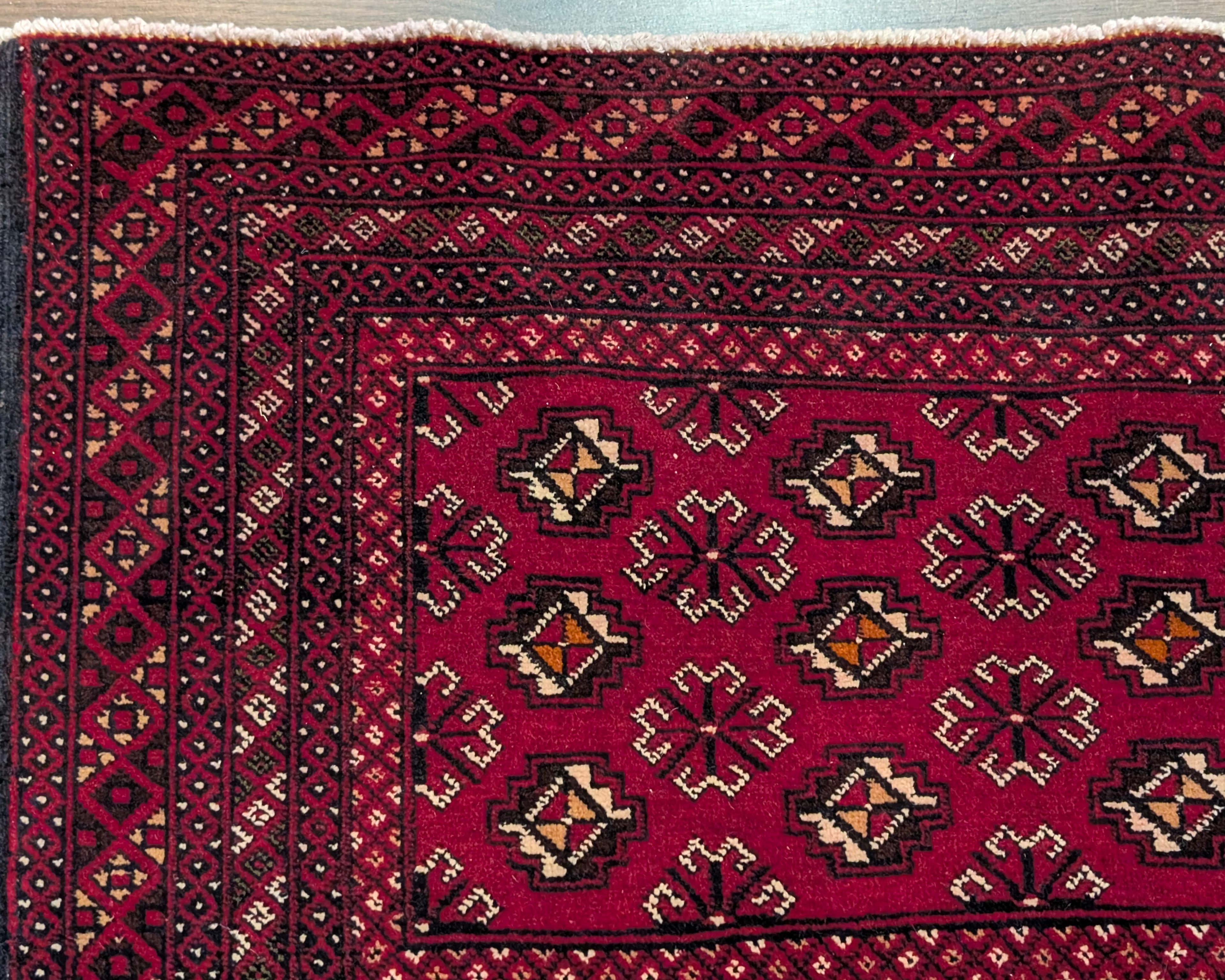
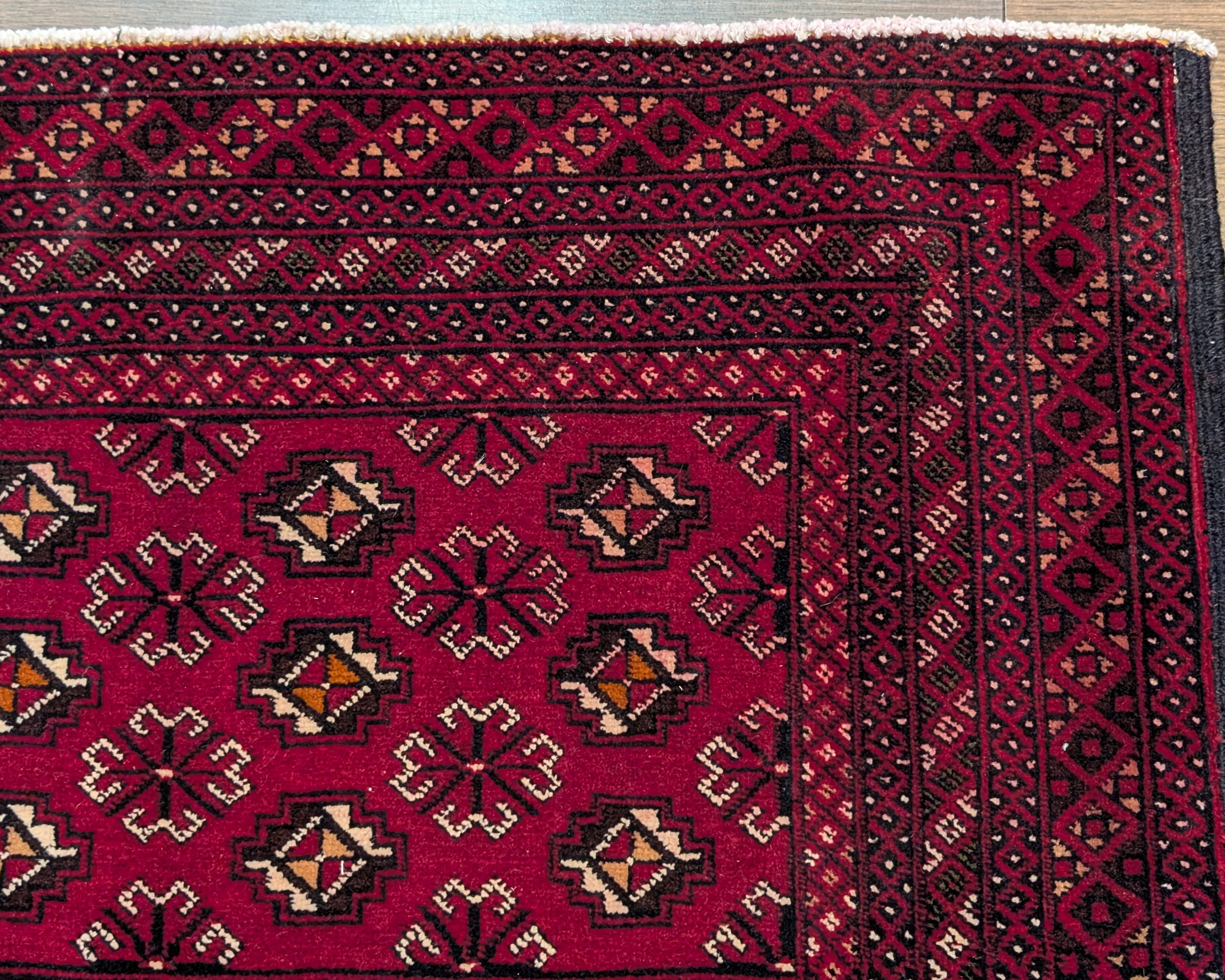
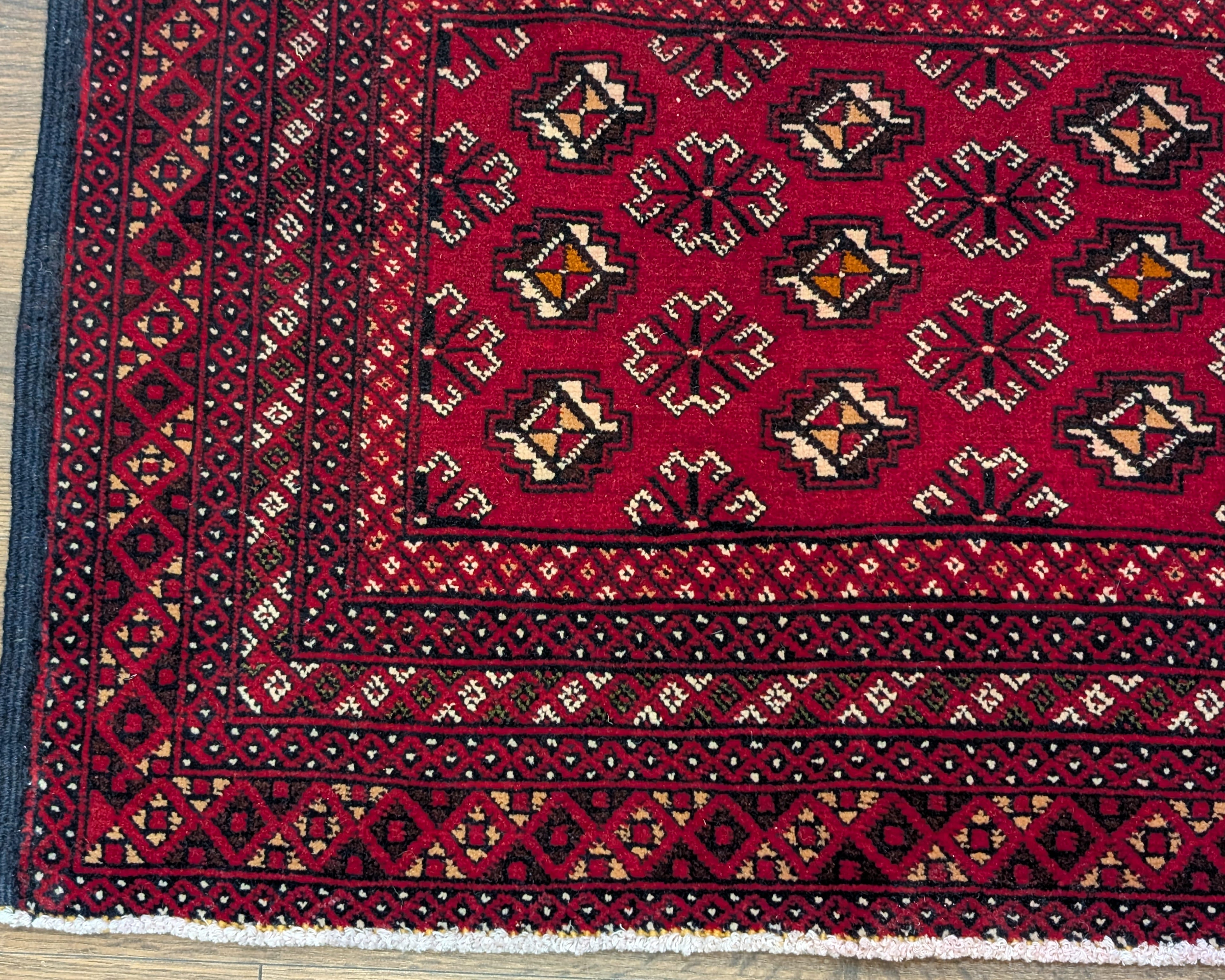
The hallmark of Turkoman design lies in rows of rectilinear devices called guls within the field. Each Turkmen tribe developed its own specific gul designs, creating a system of tribal identification through pattern. These medallion-like motifs appear in organized rows across deep red fields, creating the geometric symmetry that defines authentic Turkoman weaving. The guls serve both decorative and cultural purposes, representing tribal identity and heritage.
Tribal Groups and Design Variations
The most renowned Persian Turkoman rugs come from specific tribal groups. Tekke rugs are considered the finest of Persian Turkmen carpets, featuring two wefts and fine wools, sometimes incorporating silk. Yomud carpets are produced in large quantities for trading, featuring motifs called "The eyes of gazelle" or "Bokhara." Each tribal group maintained distinct design elements while adapting to Persian regional influences.
Construction and Characteristics
Persian Turkoman rugs demonstrate exceptional craftsmanship with high knot density and tight weave construction. These rugs are renowned for their high knot density, tight weave, and symmetrical patterns featuring well-defined guls. The traditional color palette centers on deep red fields with highlights in blues, whites, and earthy tones. Due to their tribal nature, Turkmen rugs are typically small to medium-sized, making them perfect for collectors and modern interiors.
FAQ Section
What distinguishes Persian Turkoman rugs from other Turkoman carpets?
Persian Turkoman rugs represent the unique fusion of Central Asian tribal traditions with Persian weaving techniques. Unlike Turkoman rugs from Afghanistan or Turkmenistan, Persian examples show the influence of cultural assimilation in Khorassan province, where Turkmen weavers blended their ancestral gul patterns with Persian aesthetic sensibilities and construction methods, creating a distinctive regional variation.
What are guls and why are they important in Turkoman design?
Guls are the distinctive medallion-like motifs that appear in organized rows across Turkoman rug fields. Each Turkmen tribe developed specific gul designs that served as tribal identification markers. These rectilinear devices create the characteristic geometric symmetry of Turkoman weaving and represent both decorative artistry and cultural heritage, making each rug a testament to its tribal origins.
Which tribal groups produce the finest Persian Turkoman rugs?
Tekke rugs are considered the finest Persian Turkmen carpets, featuring exceptional construction with two wefts, fine wools, and sometimes silk incorporation. Yomud carpets are also highly regarded, known for their "eyes of gazelle" or "Bokhara" motifs and produced in larger quantities for trade. Both groups maintained their distinct design elements while adapting to Persian regional influences.
What are the typical size and color characteristics of Persian Turkoman rugs?
Due to their tribal heritage, Persian Turkoman rugs are typically small to medium-sized, reflecting their nomadic origins where portability was essential. The traditional color palette centers on deep red fields with accents in dark blue, ivory, beige, brown, coral, orange, and gold. This limited but rich color scheme creates the dramatic visual impact that makes Turkoman rugs instantly recognizable.
How can I identify authentic Persian Turkoman construction quality?
Look for high knot density, tight weave, and symmetrical gul patterns with well-defined geometric precision. Authentic pieces feature traditional hand-knotting techniques with thick, luxurious pile and exceptional durability. The guls should be clearly defined and organized in systematic rows, while the deep red ground should show the characteristic richness of traditional dyes used in Persian Turkoman production.