Origins and Regional Heritage
In the province of Azerbaijan in northwestern Persia, the village of Sarab has produced rugs for centuries. The village of Sarab produces runners and galleries with broad main borders either of camel hair or wool dyed in the colour of camel hair. This region's weaving tradition reflects the practical needs of village life, creating long, narrow carpets perfect for hallways and corridors.
Distinctive Design Elements
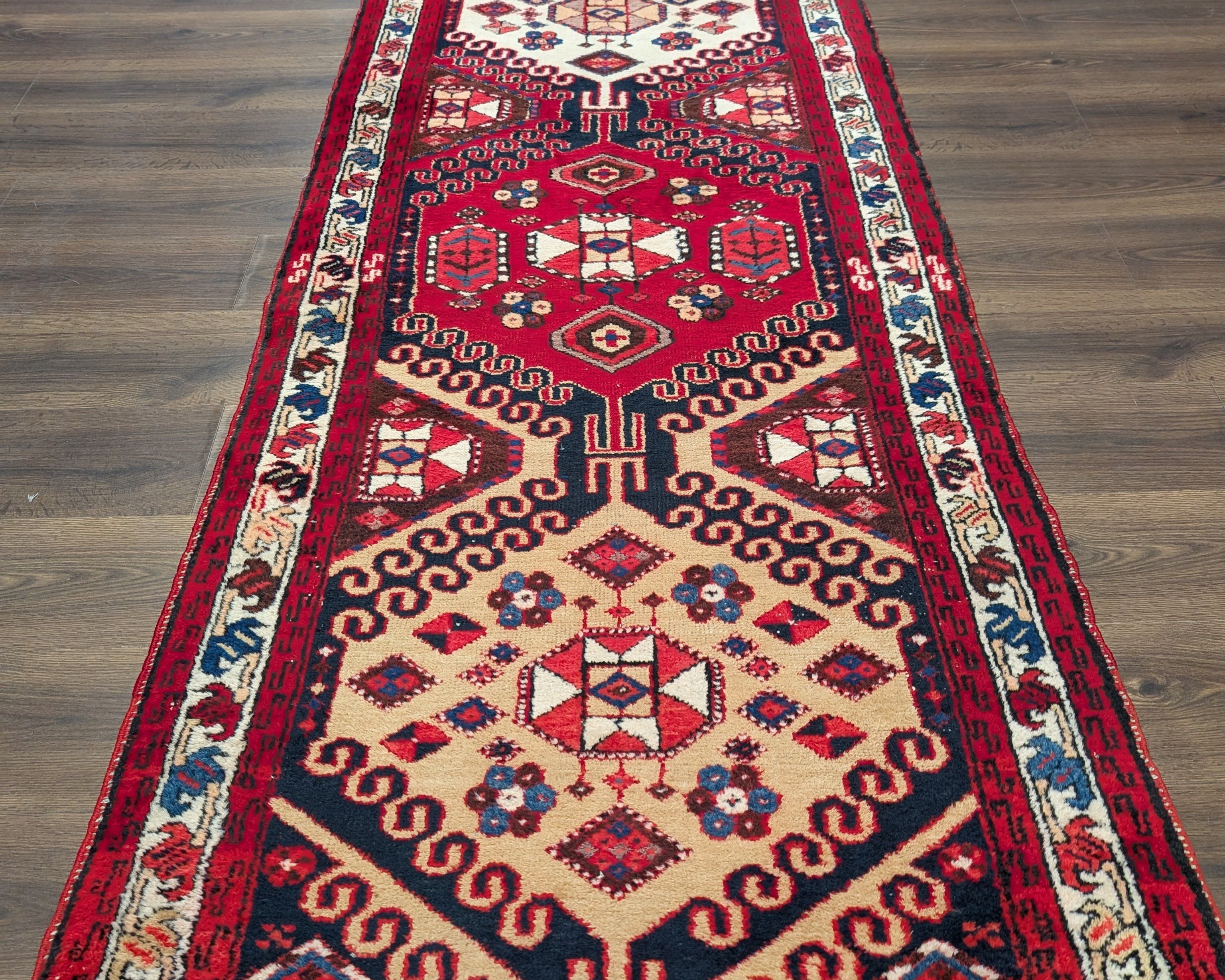
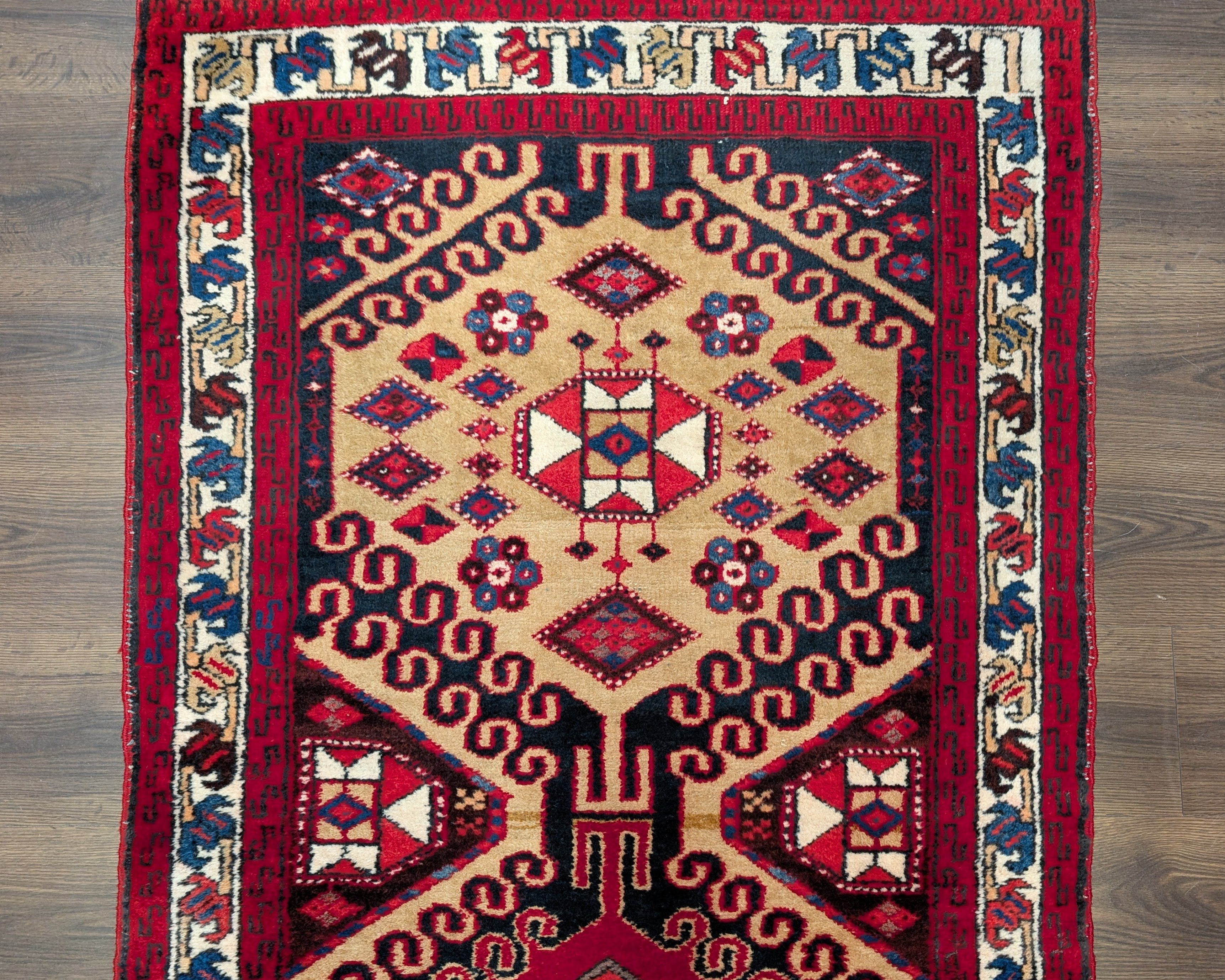
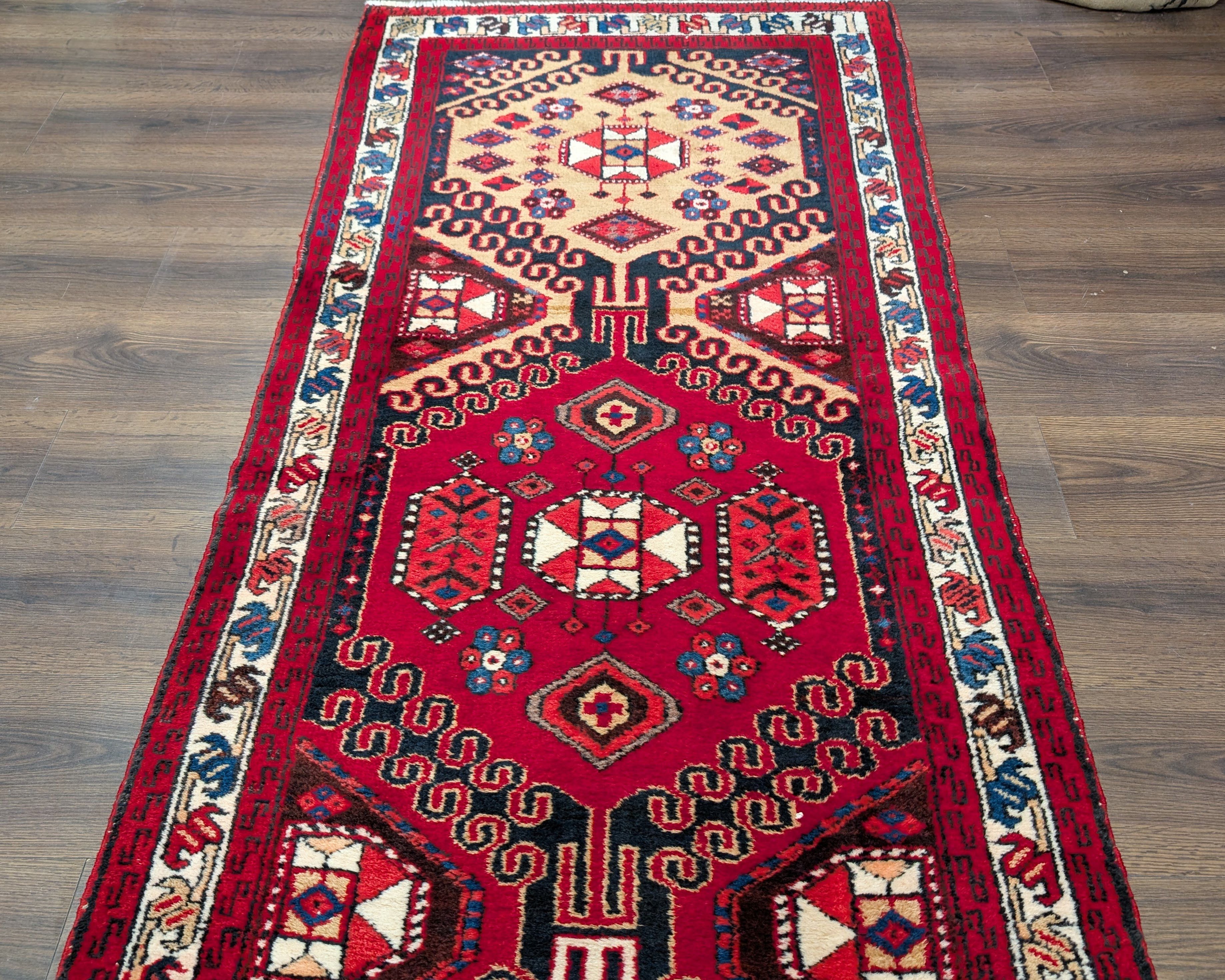
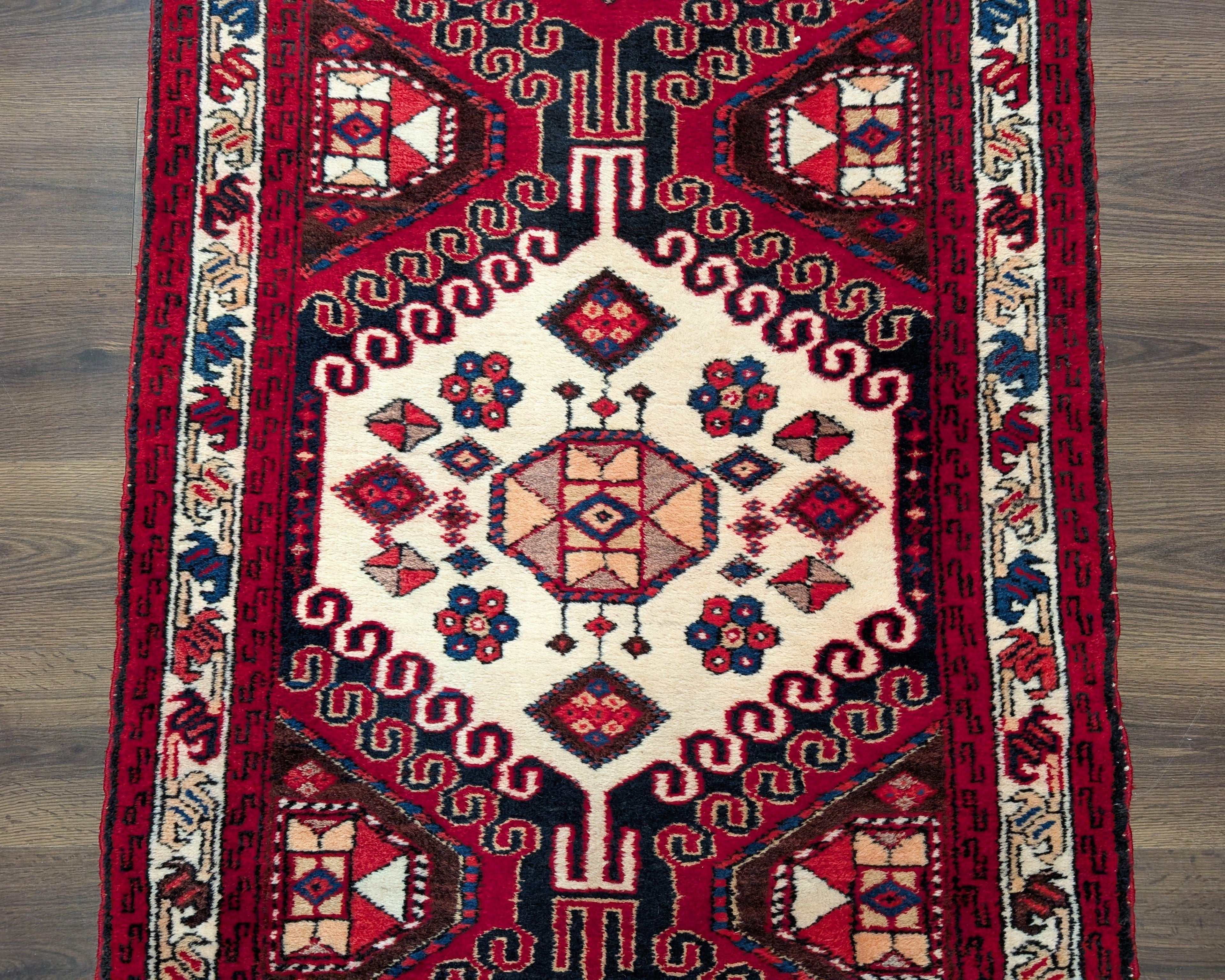
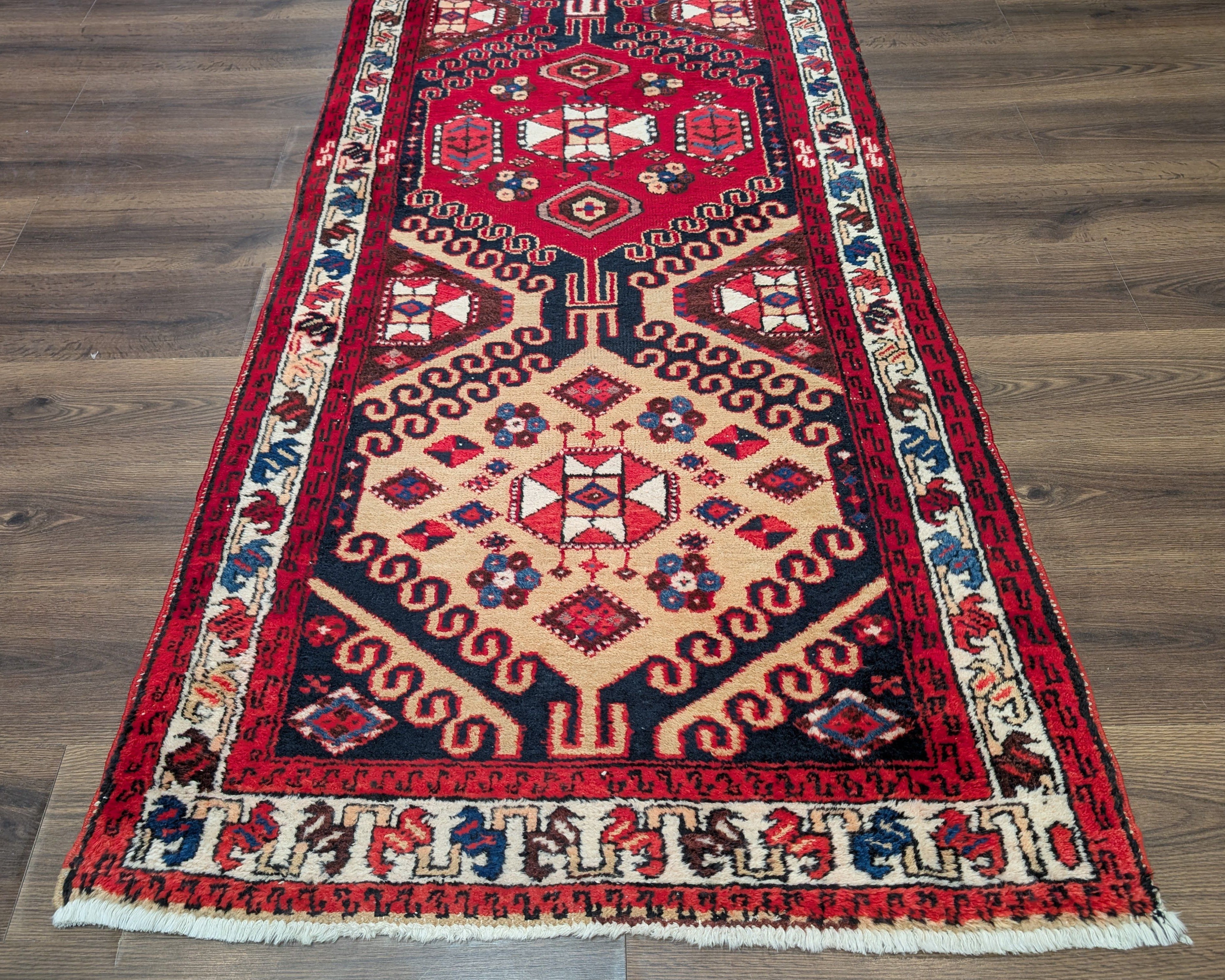
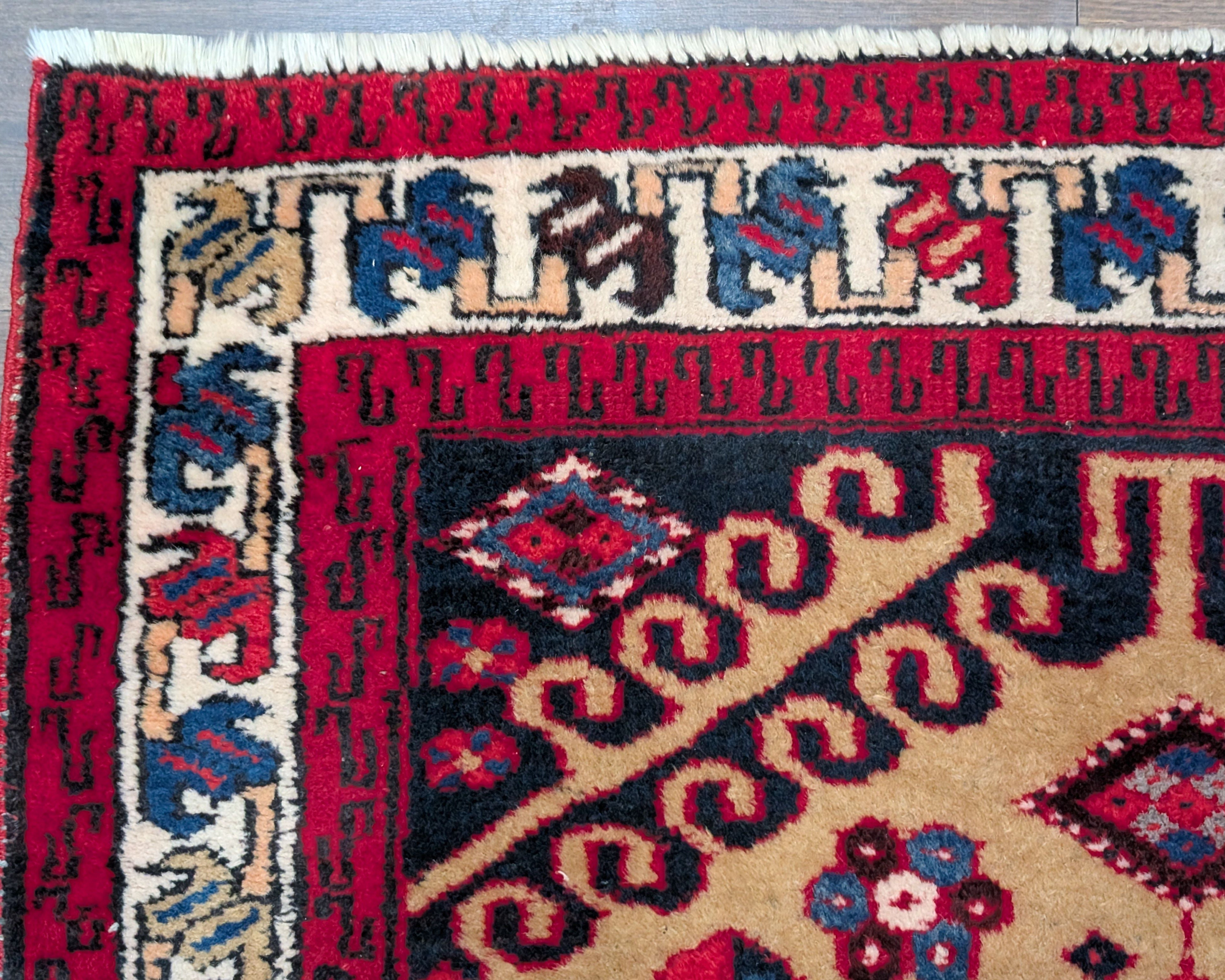
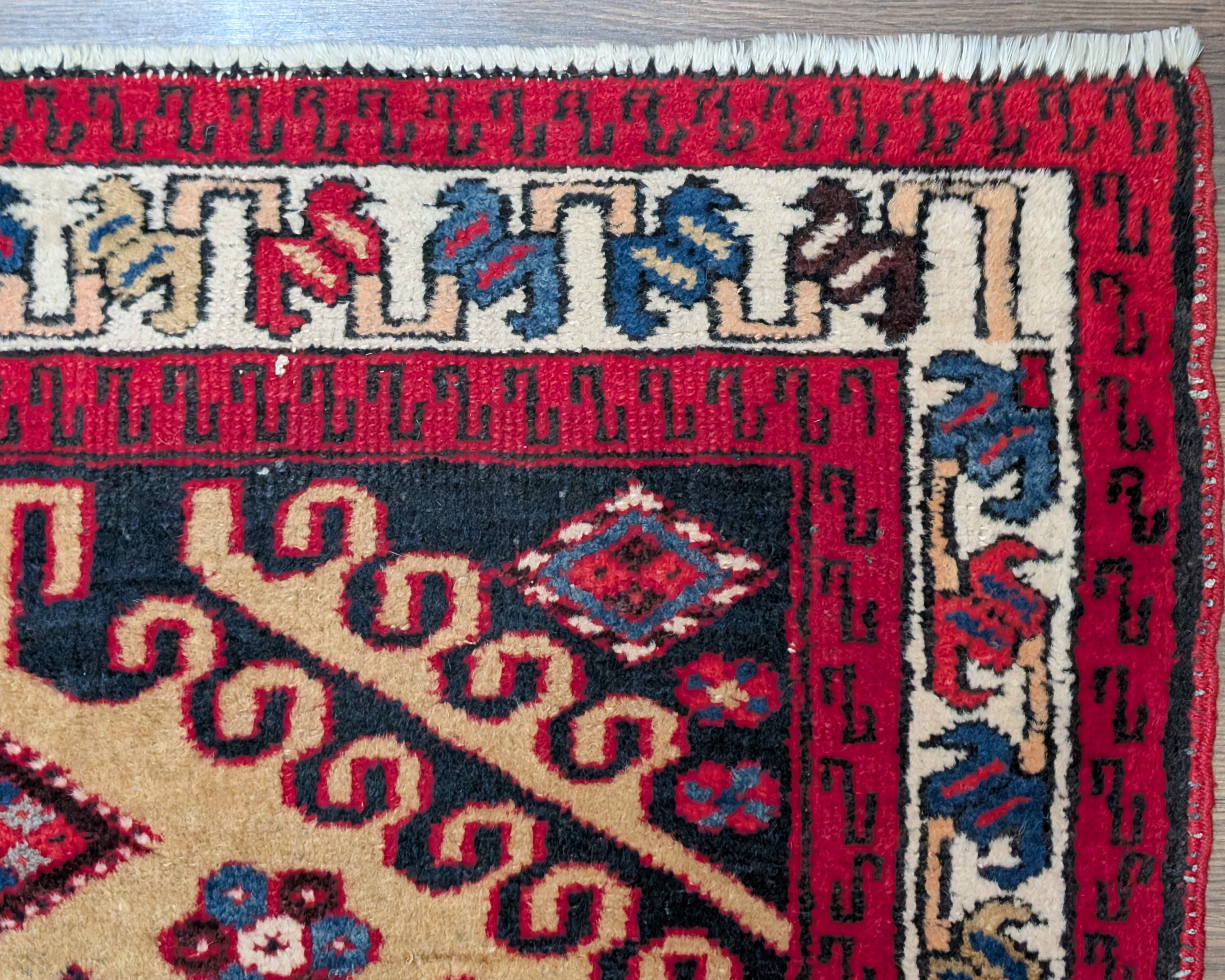
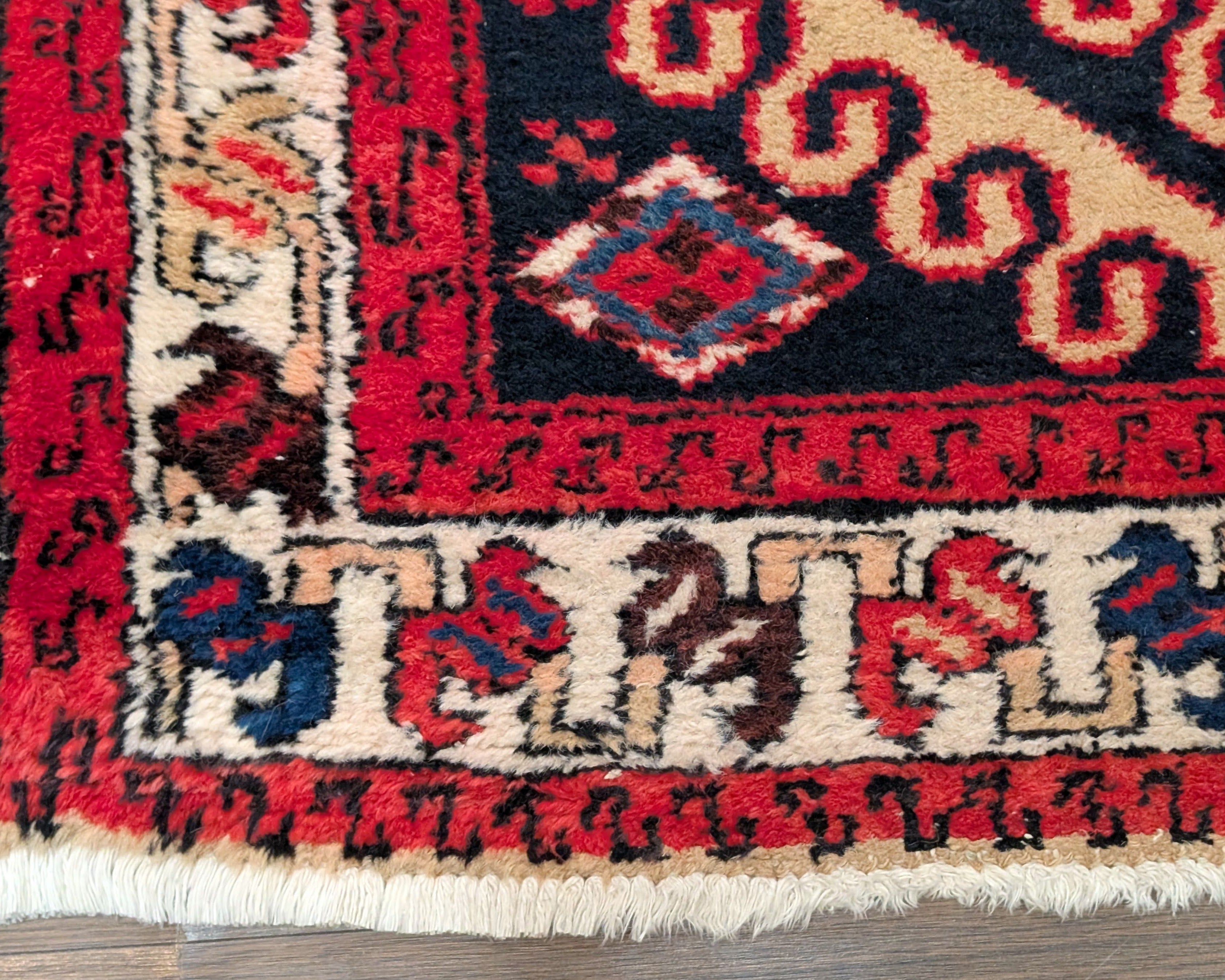
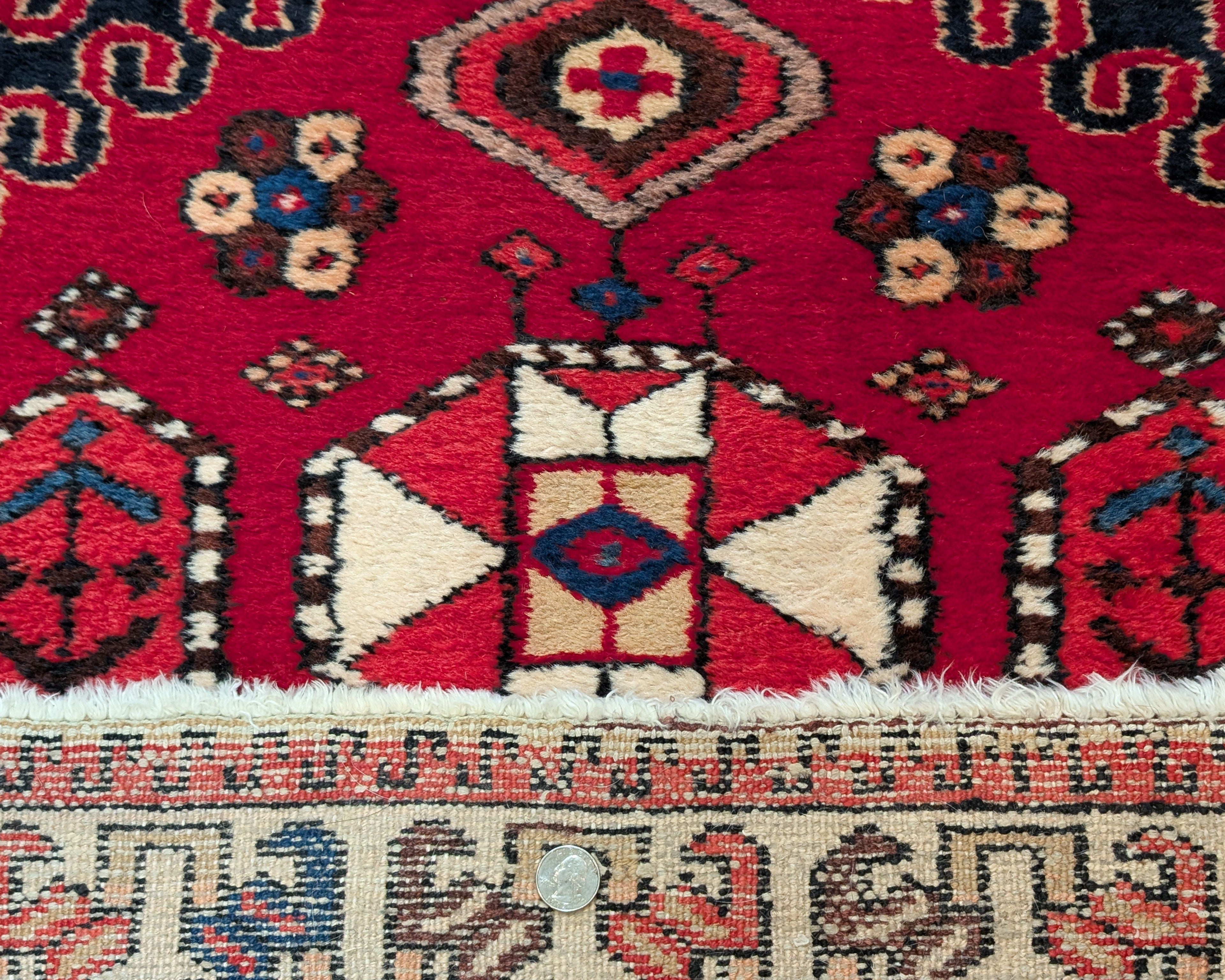
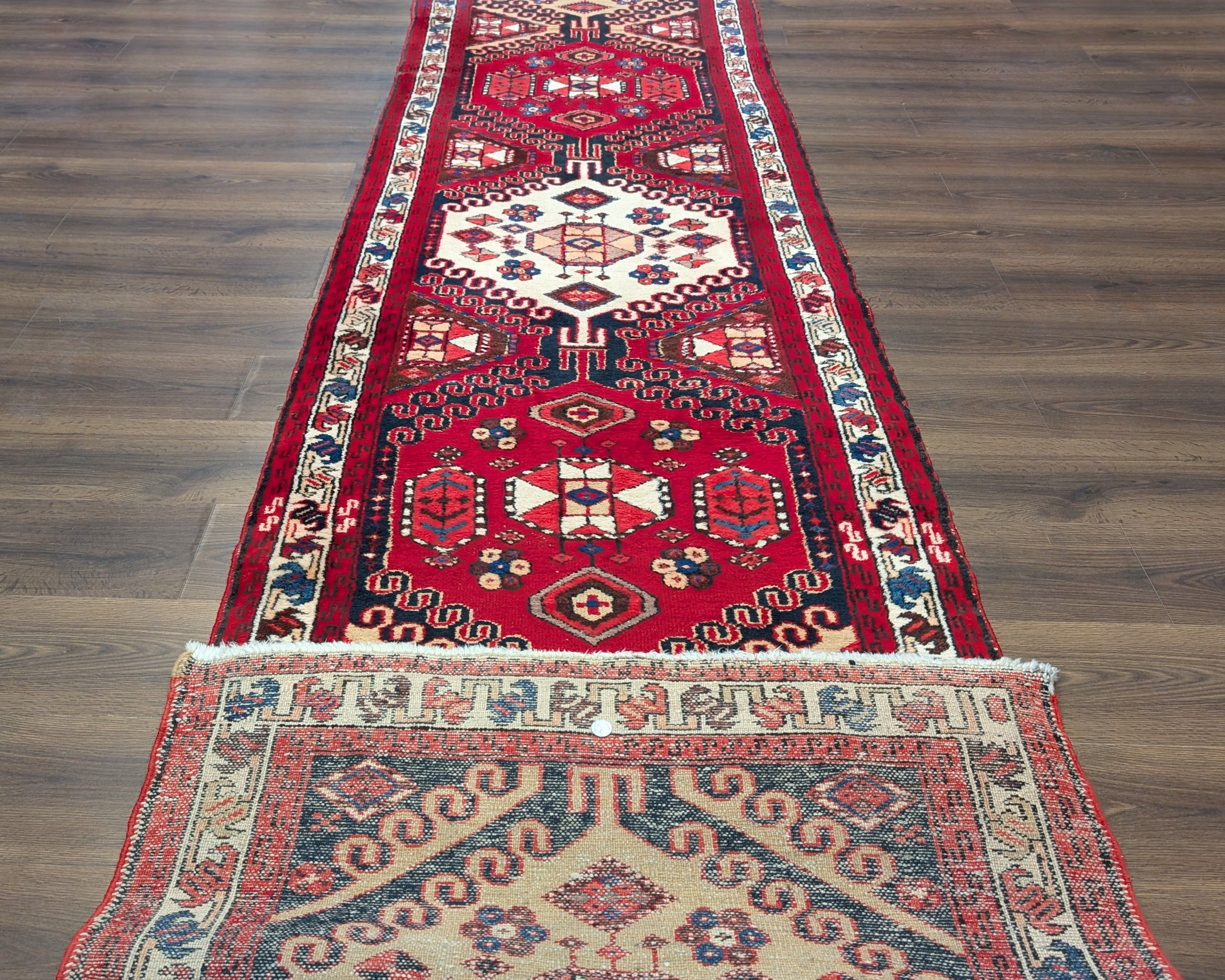
Local styles favor bold lozenge shaped medallions and angular floral motifs that are typical of Persia's northwestern region. Large, interconnected medallions fill the field. Mostly rectilinear, geometric and floral patterns are characteristic of these pieces. Most rugs made in Sarab have geometric patterns with simple yet elegant motifs throughout. The designs often feature elaborate, latticework designs that resemble the Jali screens found in Persian and Iranian architecture – crisscrossing patterns that interweave, creating honey comb or fence motifs.
Camel Hair Tradition and Colors
Although camel colored fields are the most common, mulberry red backgrounds and brick-colored fields are also common. However, the camel-colored background remains the most distinctive feature of Sarab rugs. The camel tone in Serabs is produced by dyeing sheep wool, acquired from the nearby Shah Savan tribes, with walnut husks. This gives a brown varying from deep chocolate to light taupe, depending on the immersion time and initial amount of colorant. Frequently constructed of camelhair, they are often framed by a unique unadorned camelhair outer border which varies in size from piece to piece.
Construction and Characteristics
Rugs woven from camelhair offer a unique appeal, both aesthetically and tactilely. The yarn was most often home spun from the weaver's own camels, creating pieces with distinctive texture and durability. Primarily woven in the villages and encampments of Northwest Persian Azerbaijan and Kurdistan, 19th and turn-of-the 20th-century rugs and runners using undyed camelhair have always had an enthusiastic following among our clients, who find myriad uses for them in their homes.
FAQ Section
What makes Sarab rugs different from other Persian village carpets?
Sarab rugs are distinguished by their characteristic camel-colored backgrounds and preference for runner formats. The village of Sarab produces runners and galleries with broad main borders either of camel hair or wool dyed in the colour of camel hair, making them instantly recognizable. Their bold lozenge-shaped medallions and angular floral motifs are typical of northwestern Persia's geometric traditions, setting them apart from more curvilinear Persian designs.
Are Sarab rugs actually made with real camel hair?
While some antique Sarab rugs do contain genuine camel hair, many feature the distinctive camel color achieved through dyeing sheep wool with walnut husks. This process, using wool acquired from the nearby Shah Savan tribes, creates browns ranging from deep chocolate to light taupe. The camel hair tradition gives these rugs their unique aesthetic and tactile appeal, whether using actual camel fiber or expertly dyed sheep wool.
Why are Sarab rugs predominantly made in runner sizes?
Sarab's specialization in runners reflects both practical village needs and regional weaving traditions. These long, narrow formats were ideal for the architectural spaces of Persian homes and have proven equally valuable in modern interiors. The runner format allows the distinctive geometric medallion patterns to flow beautifully along hallways and corridors, making optimal use of the bold lozenge-shaped designs that characterize Sarab weaving.
What colors typically appear in authentic Sarab rugs?
While camel-colored fields are the most common, Sarab rugs also feature mulberry red backgrounds and brick-colored fields. The geometric patterns often incorporate deep blues, greens, and ivory accents that contrast beautifully with the warm camel tones. The latticework designs and interconnected medallions are typically rendered in darker colors that stand out against the lighter camel-colored backgrounds.
How can I identify the quality of a Sarab rug?
Quality indicators in Sarab rugs include the clarity of the geometric medallion patterns, the richness of the camel-colored background, and the consistency of the weaving. Look for well-defined lozenge-shaped medallions, crisp latticework patterns, and the characteristic broad main borders. Antique examples from the 19th and early 20th centuries are particularly prized, with many showing the superior craftsmanship of traditional village production methods.