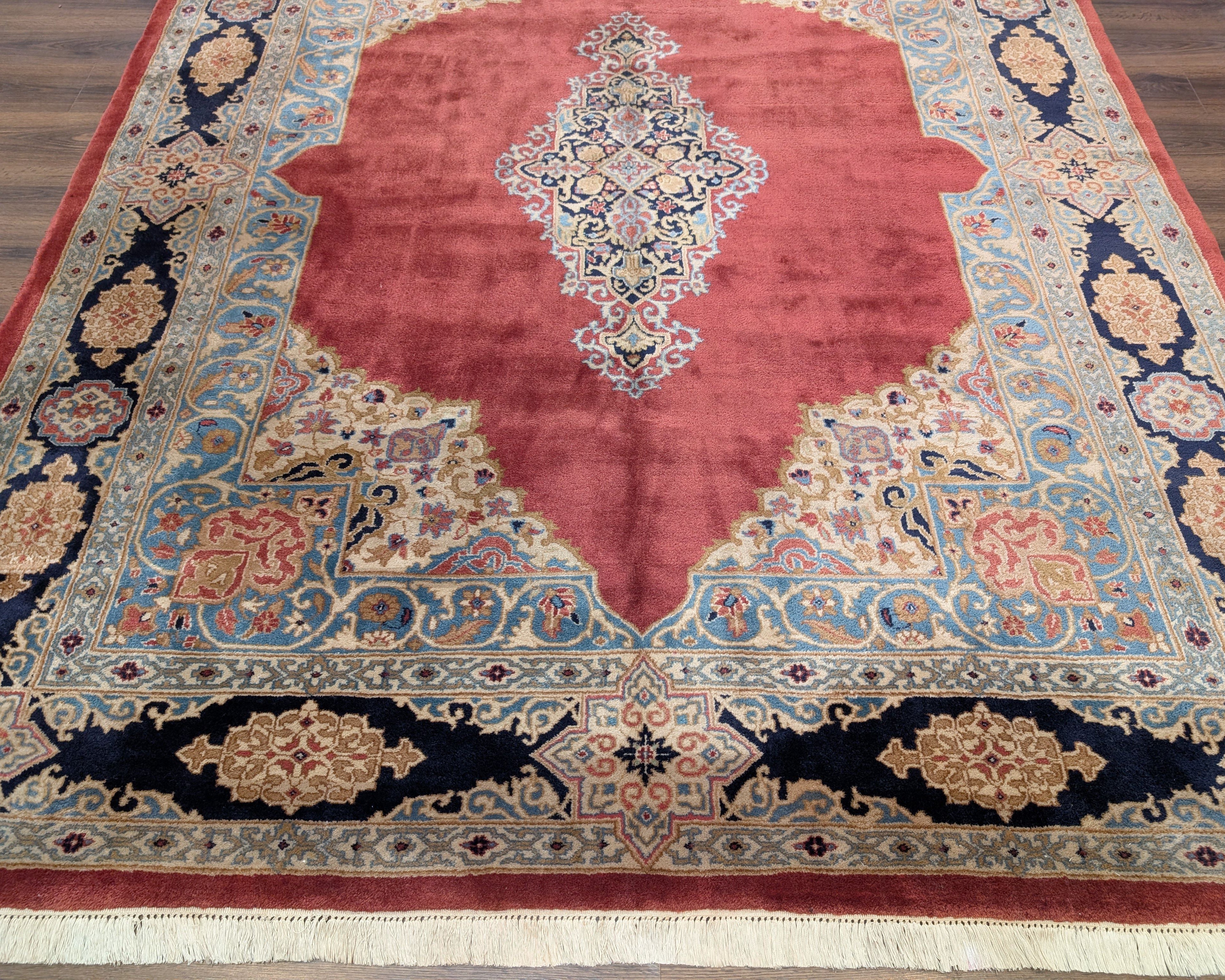
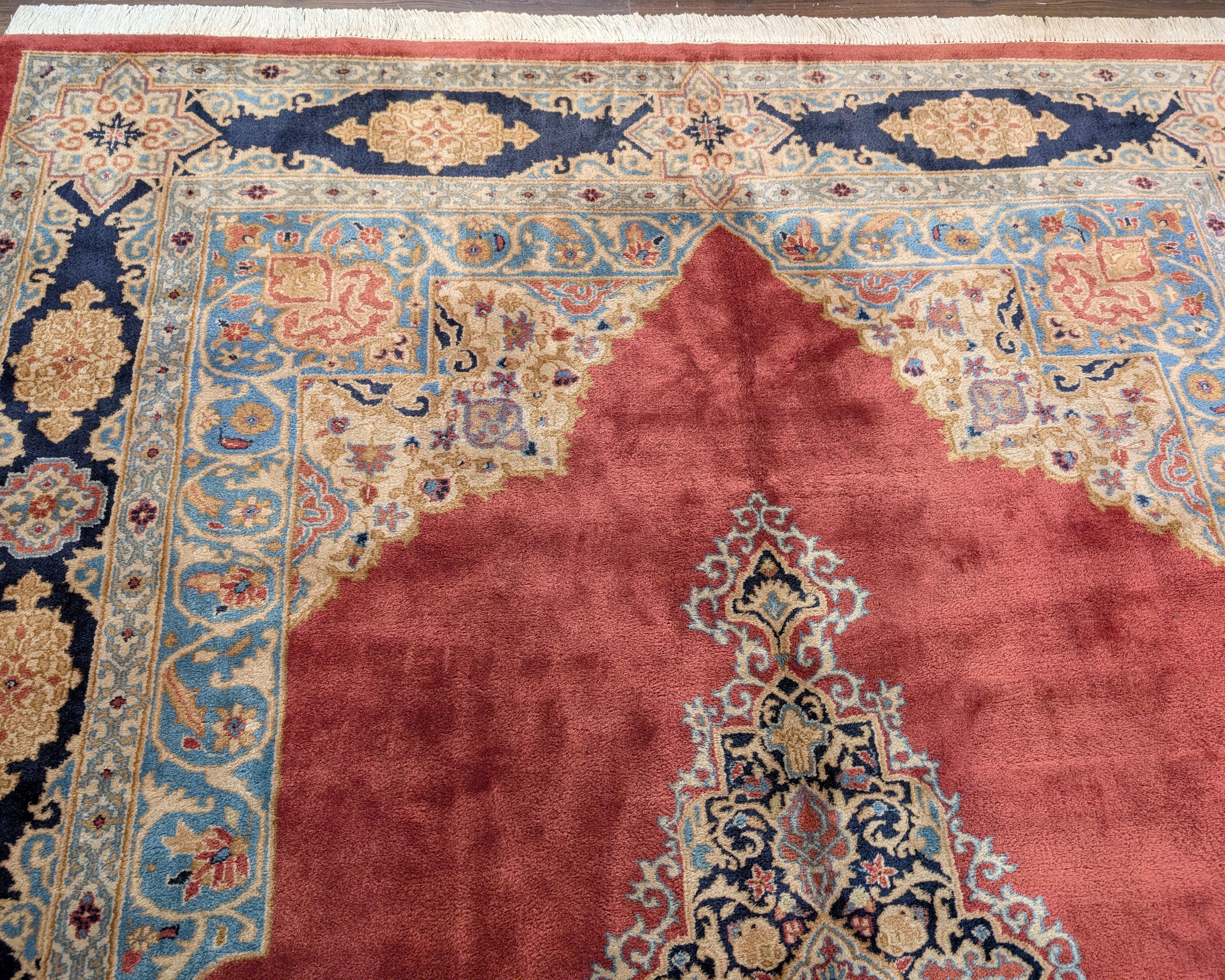
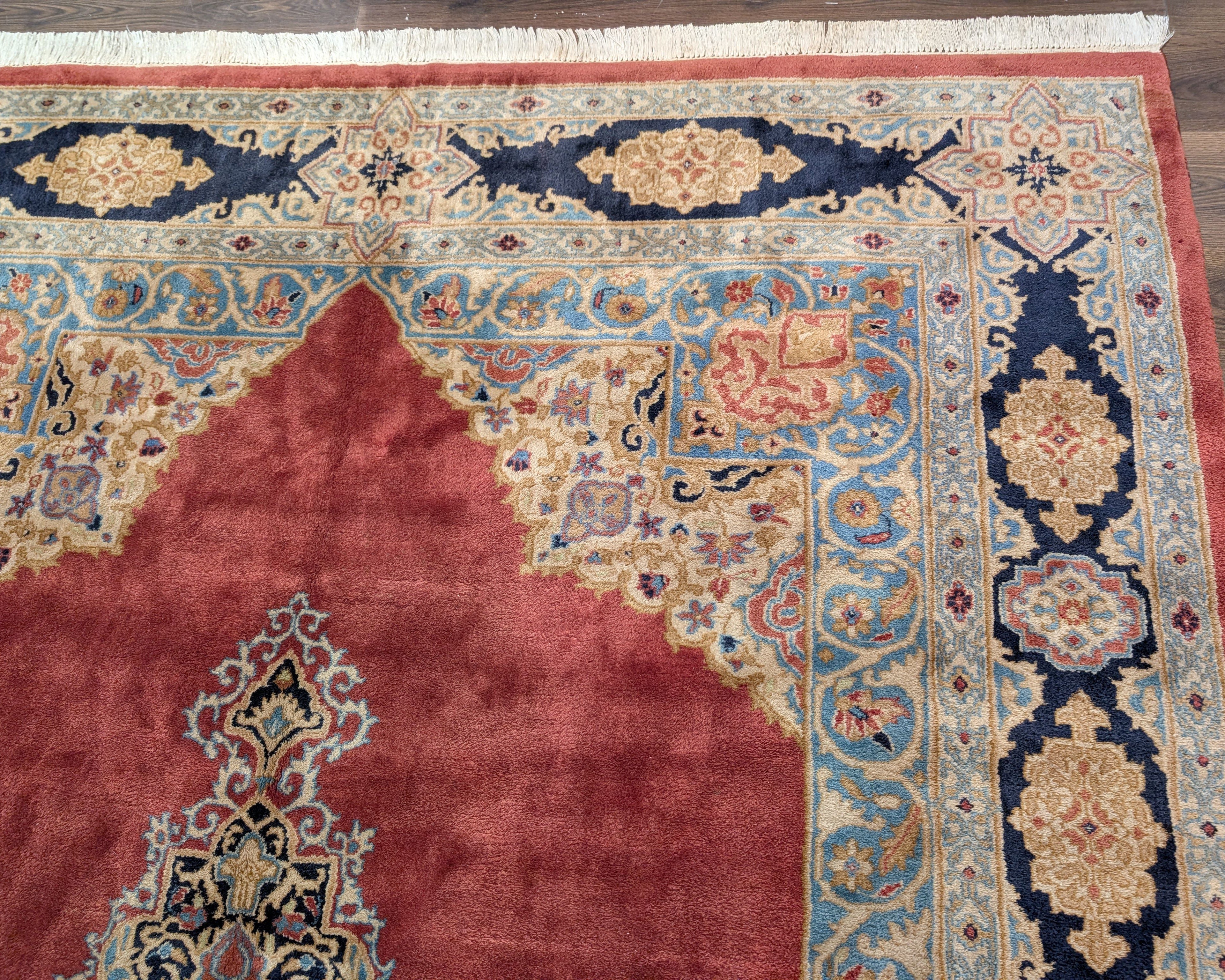
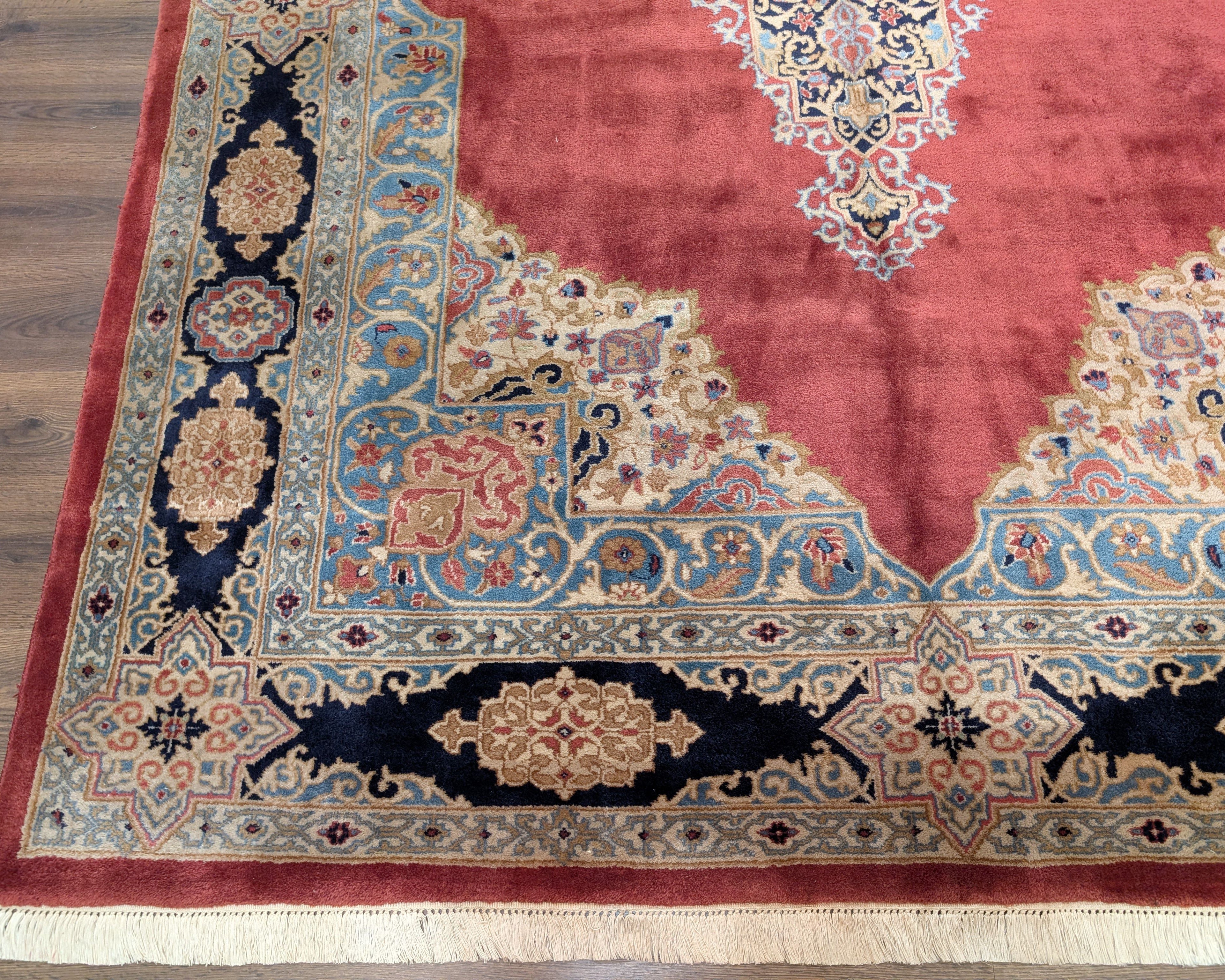
What are Kerman Rugs?
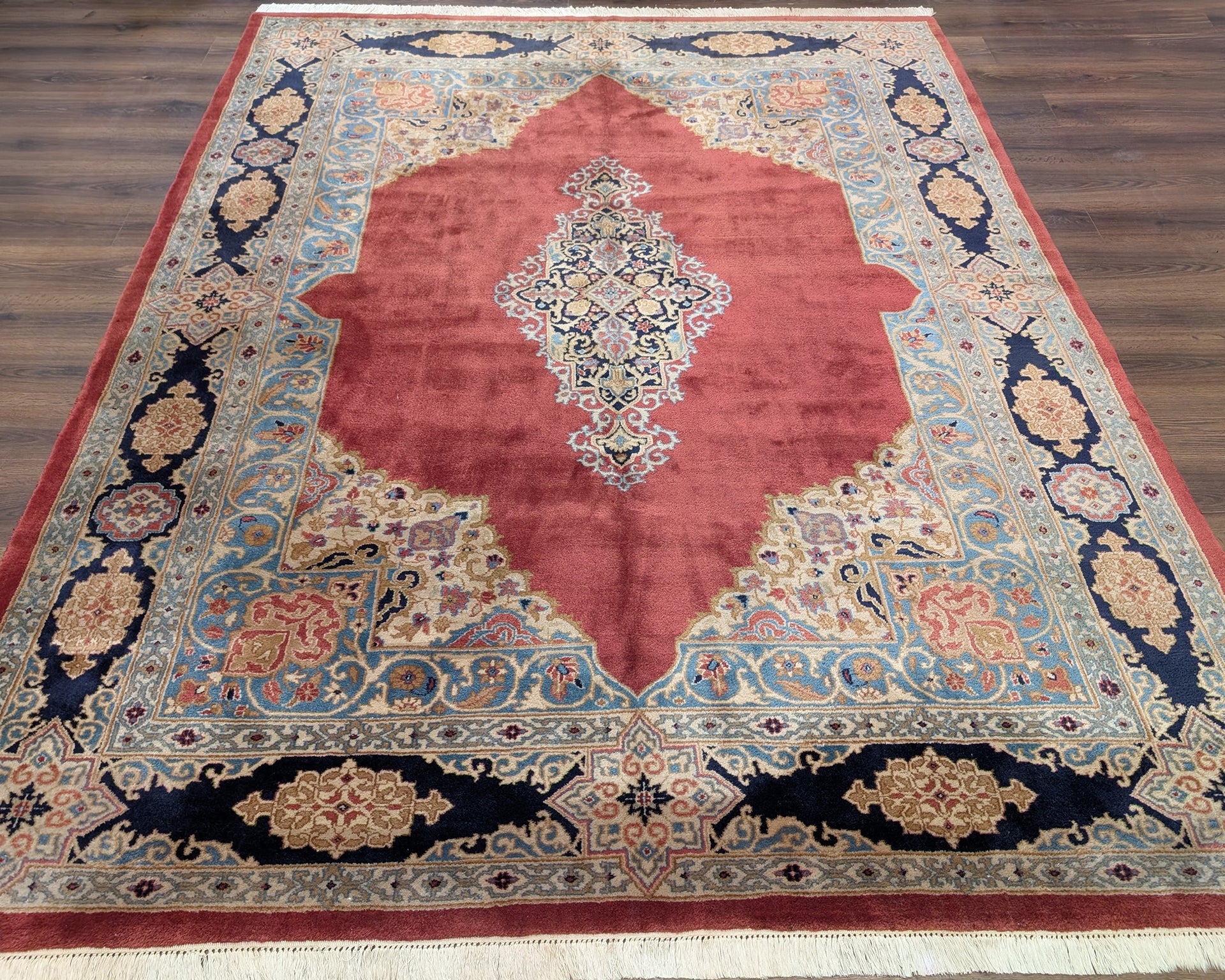
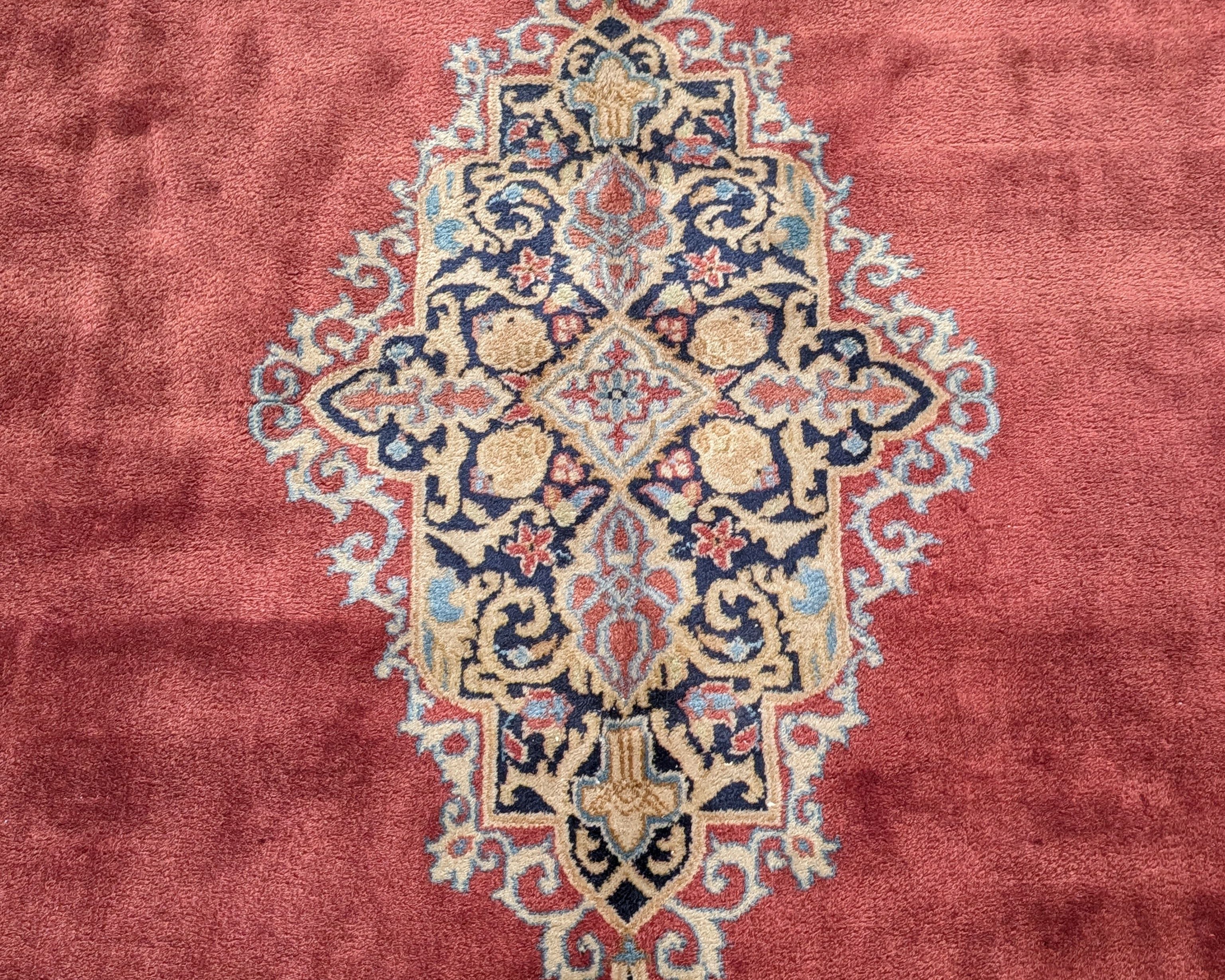
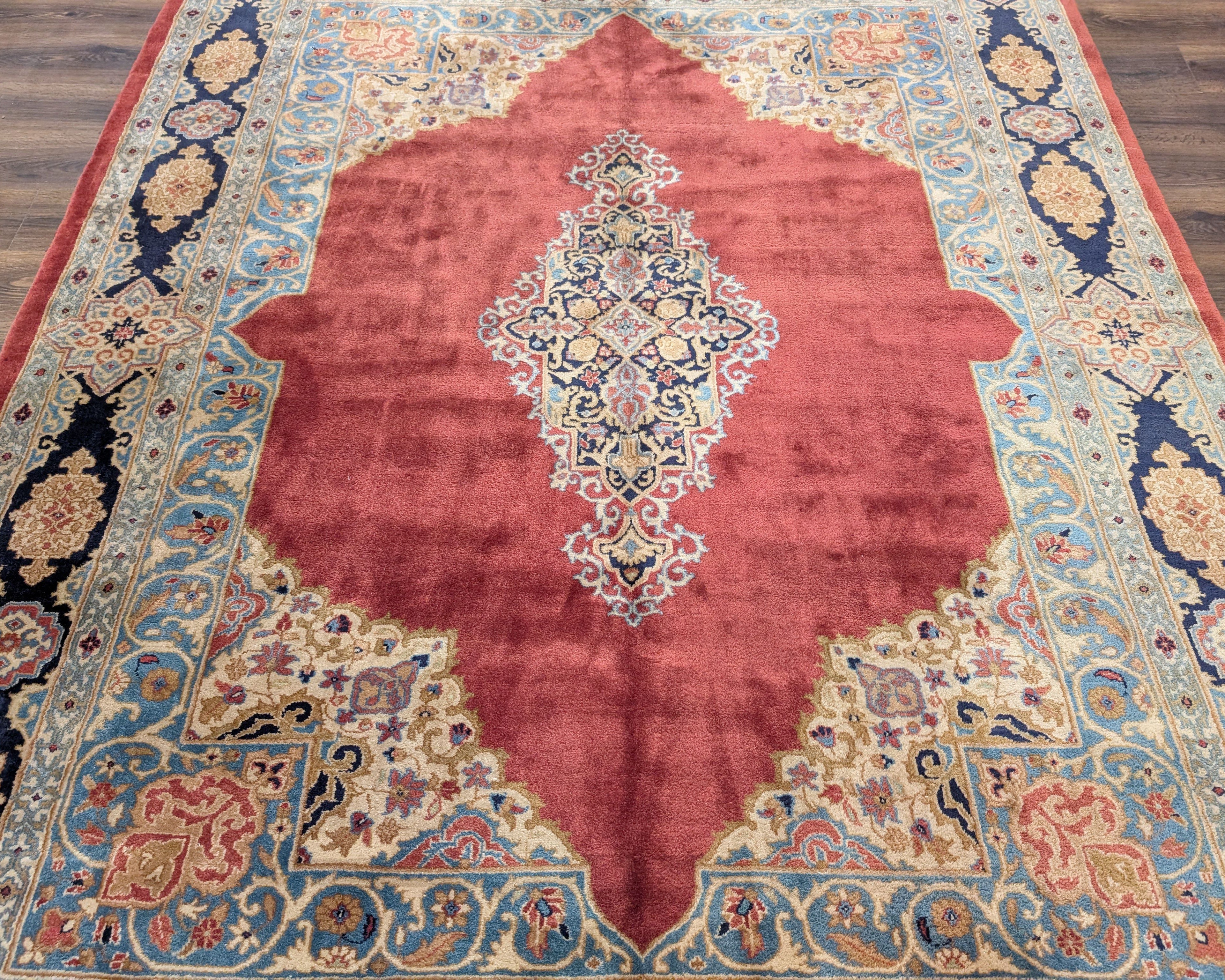
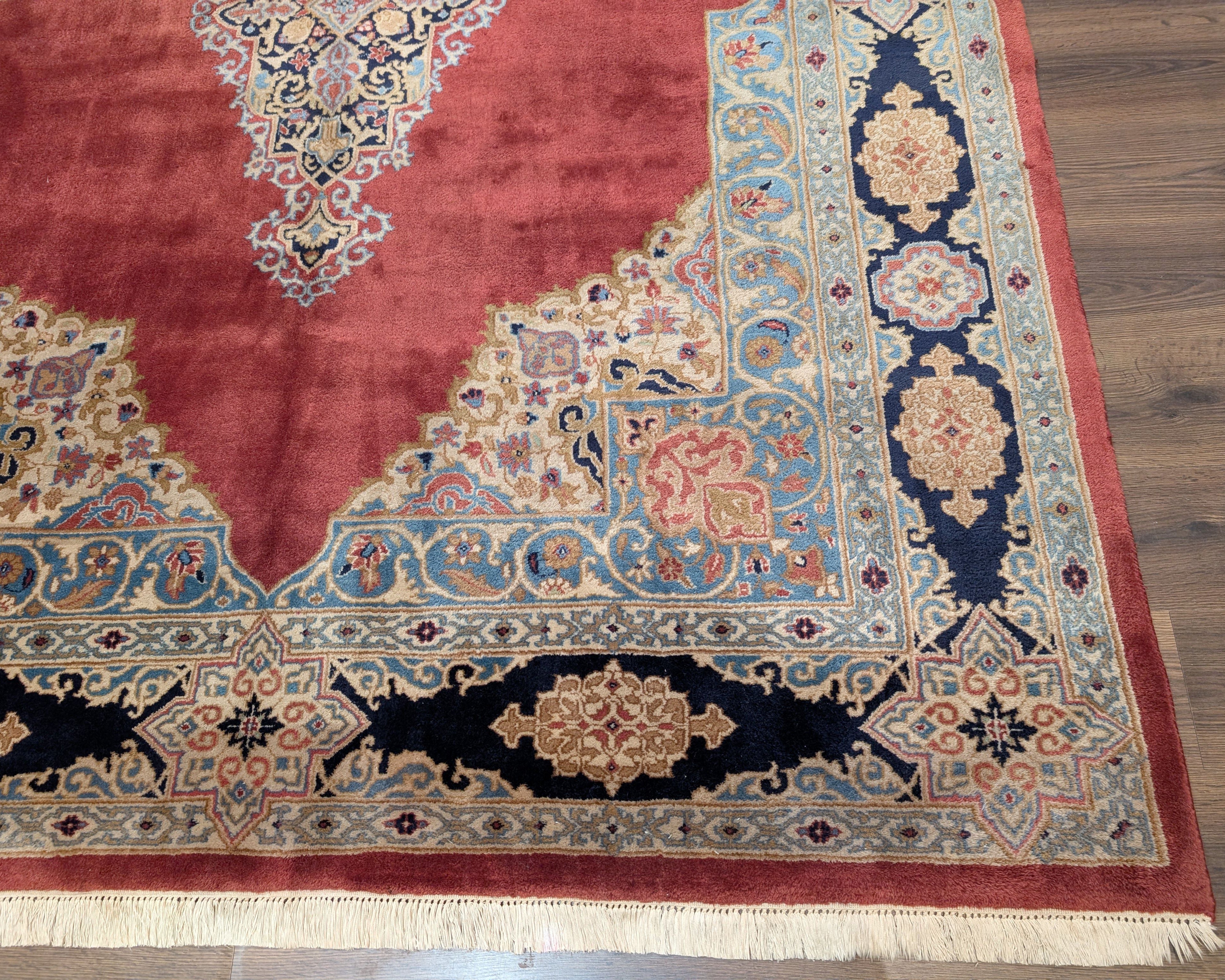
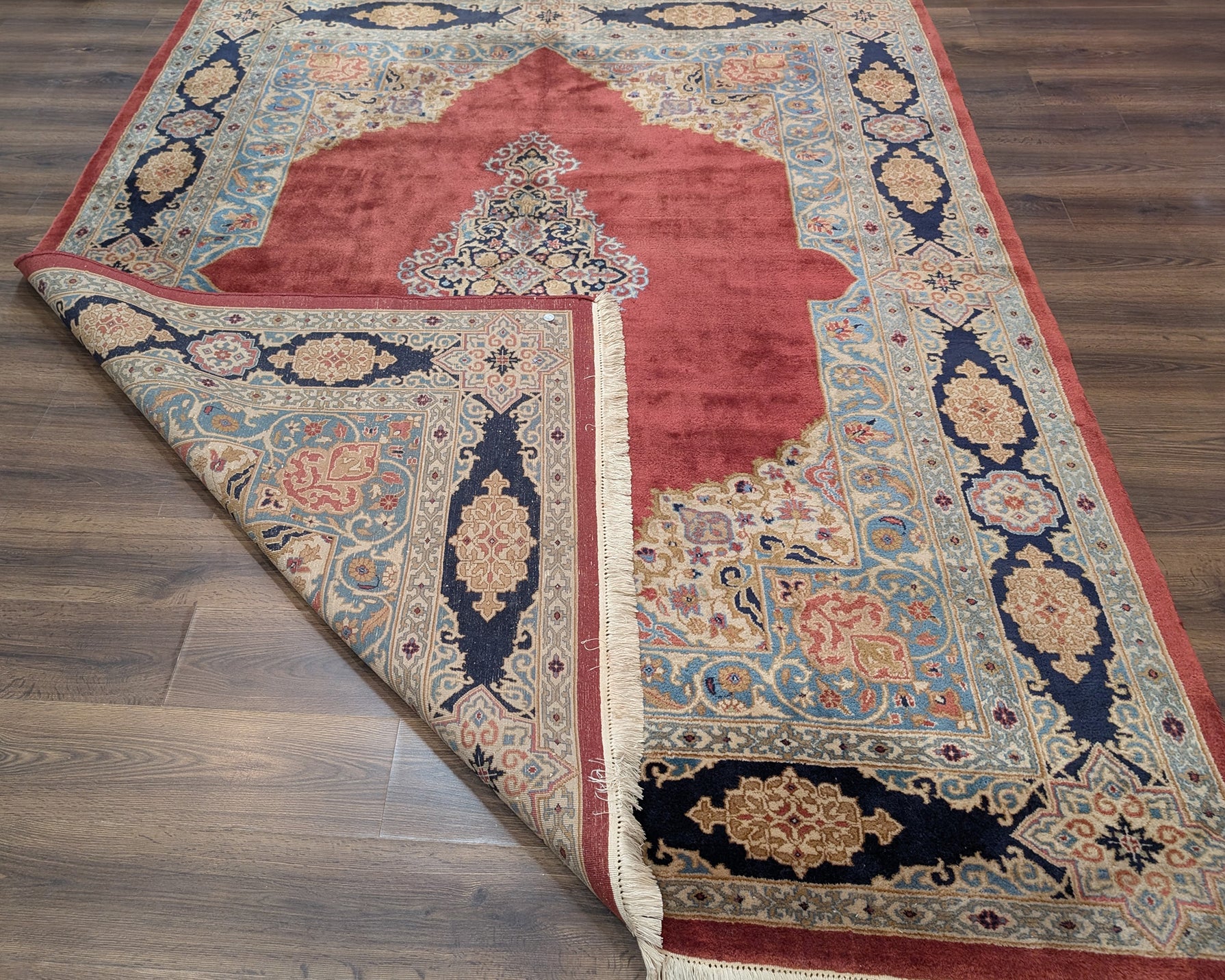
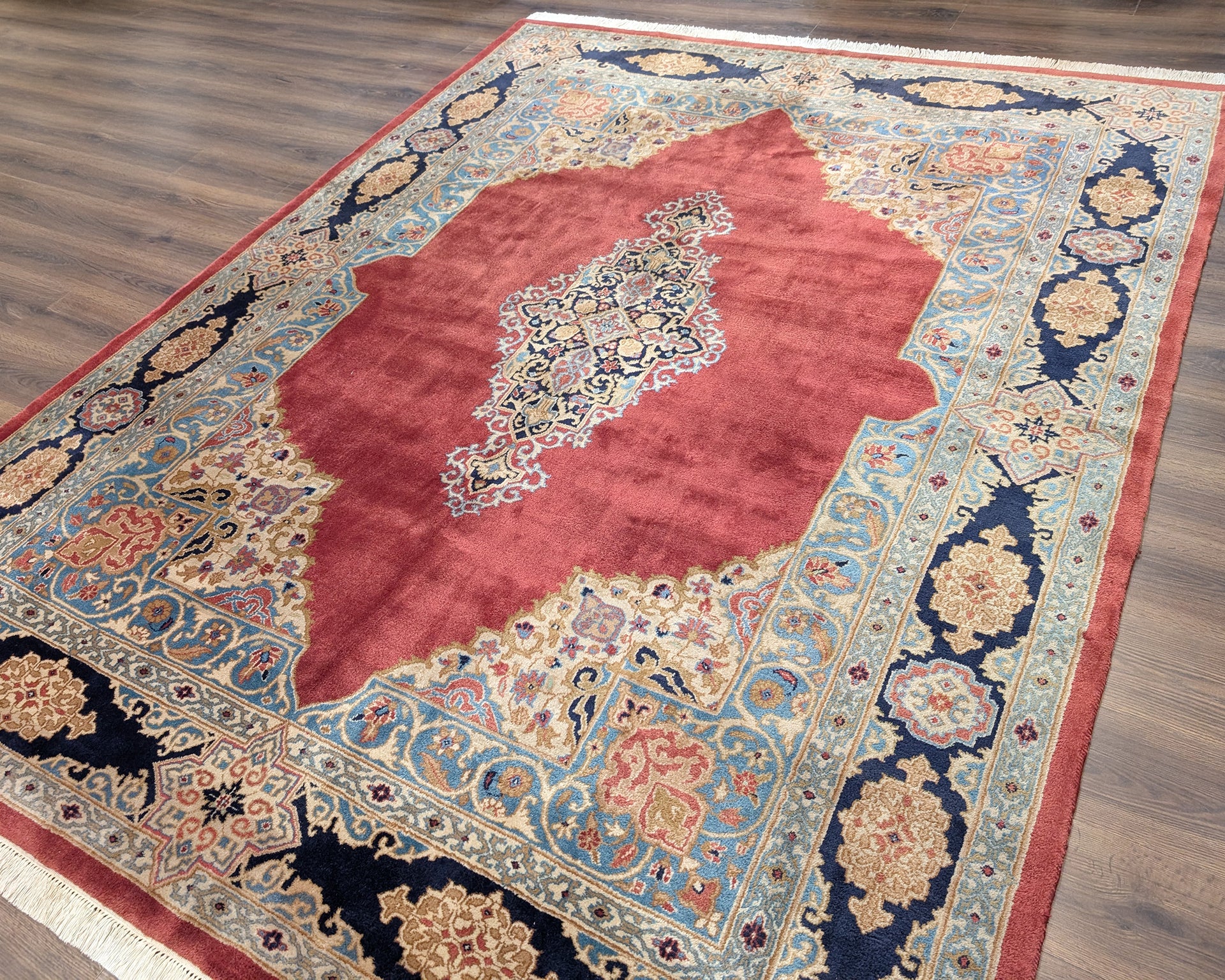
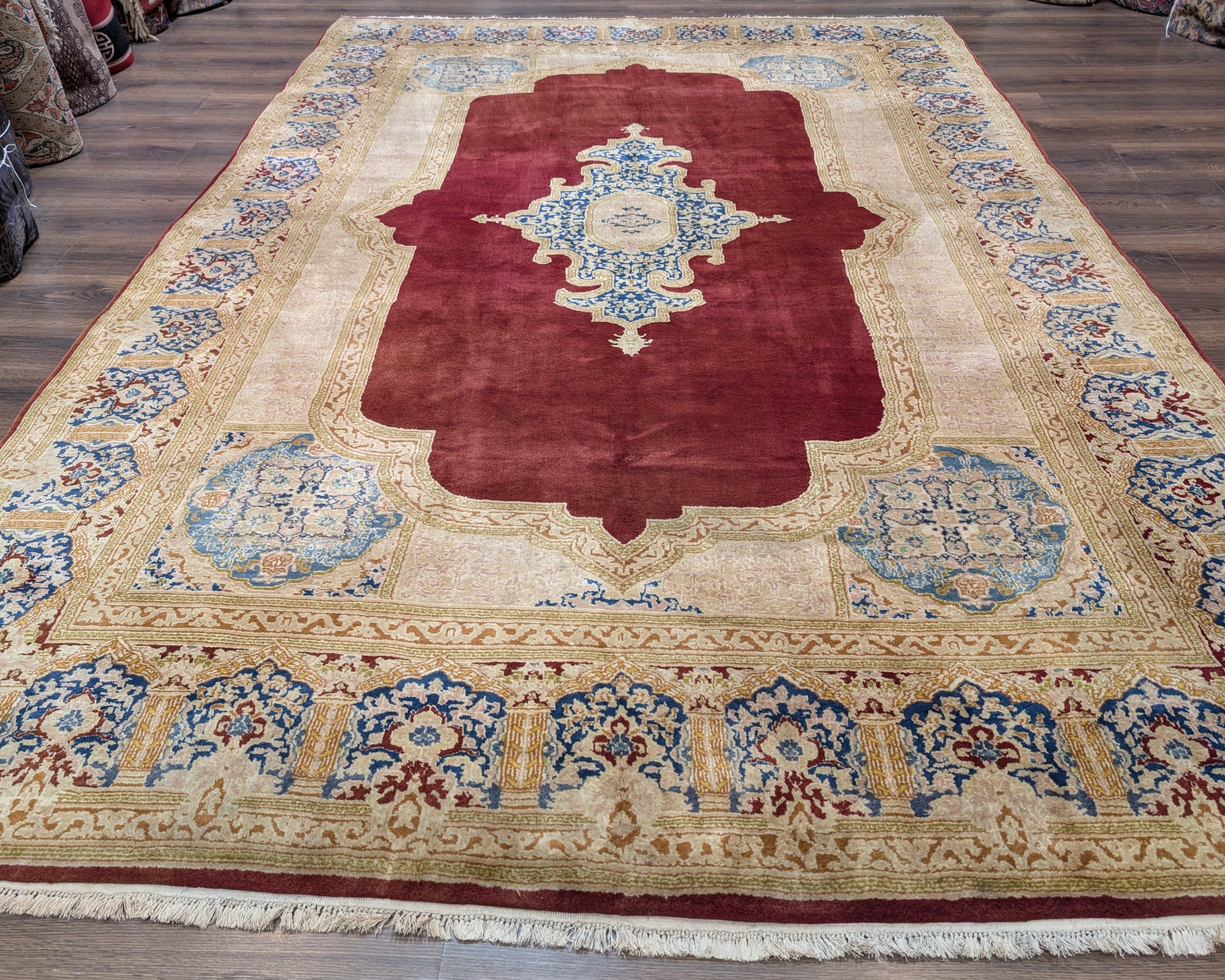
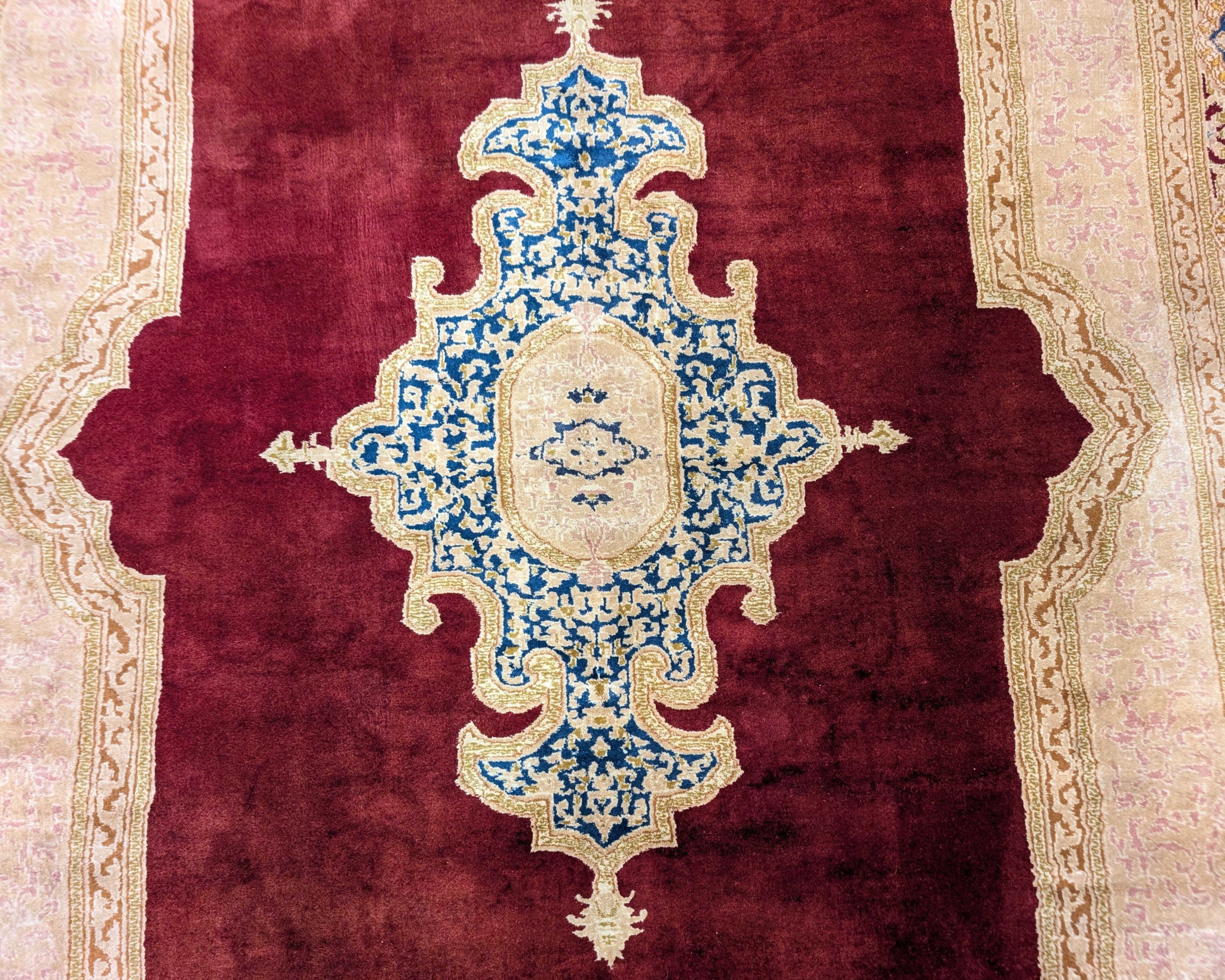
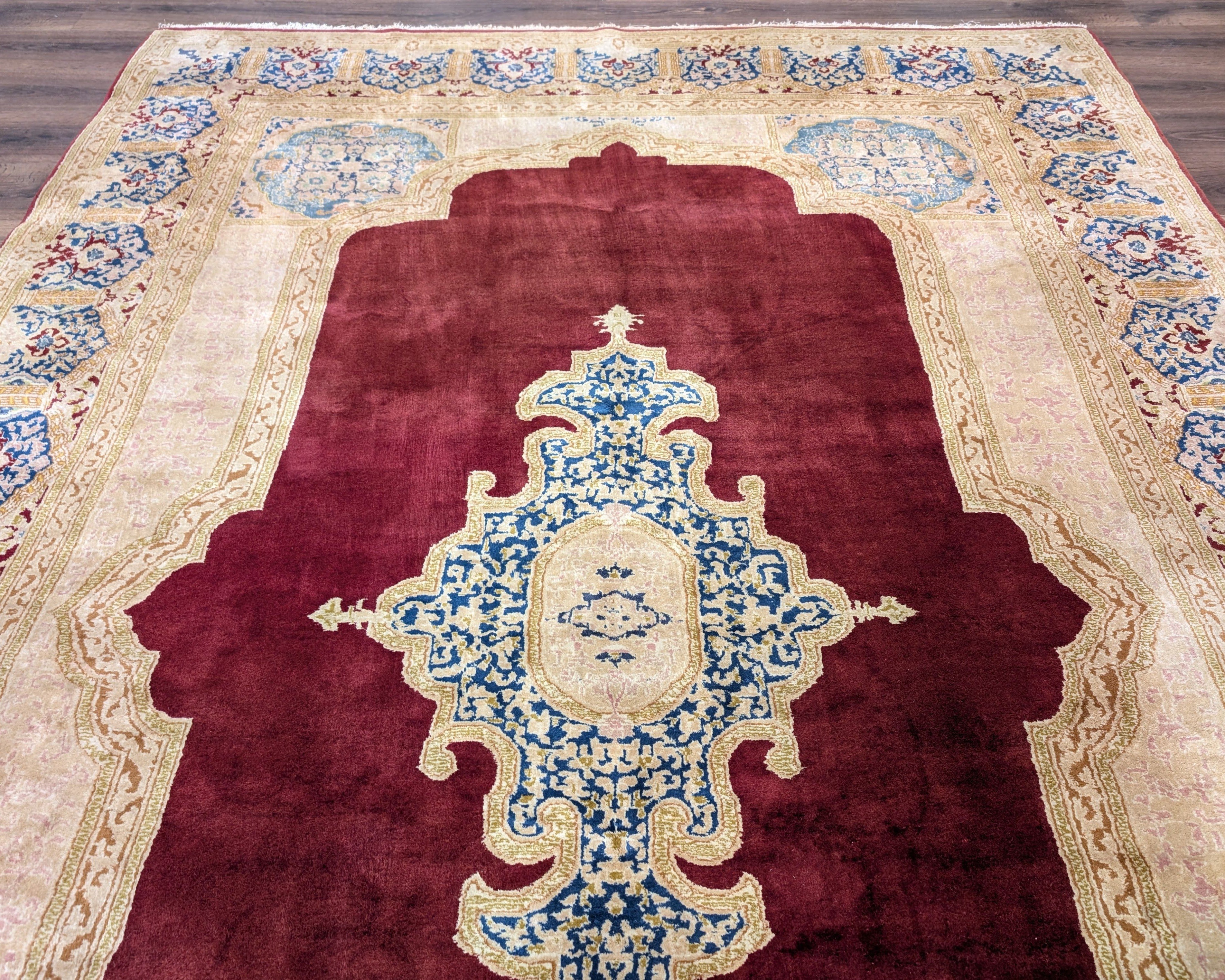
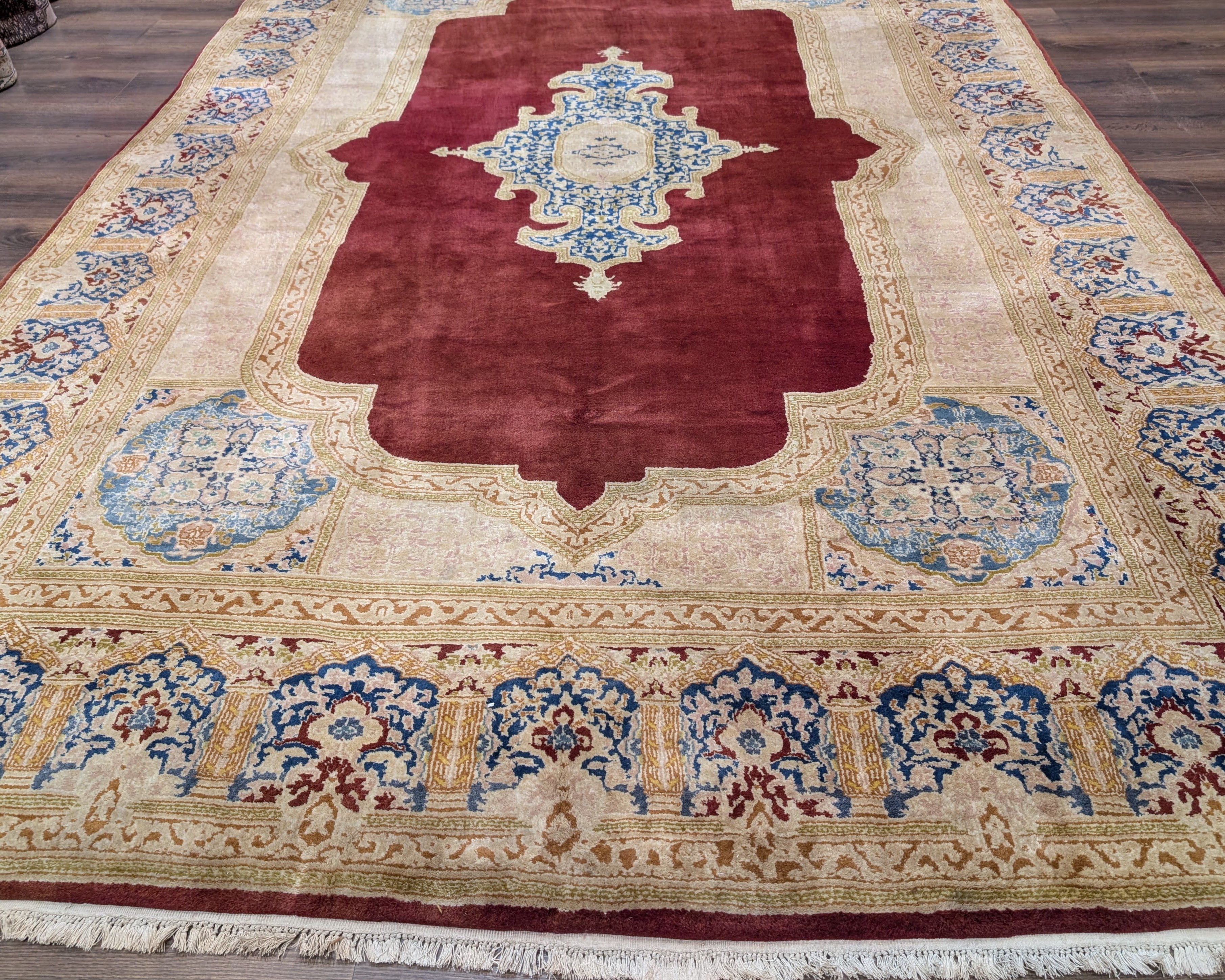
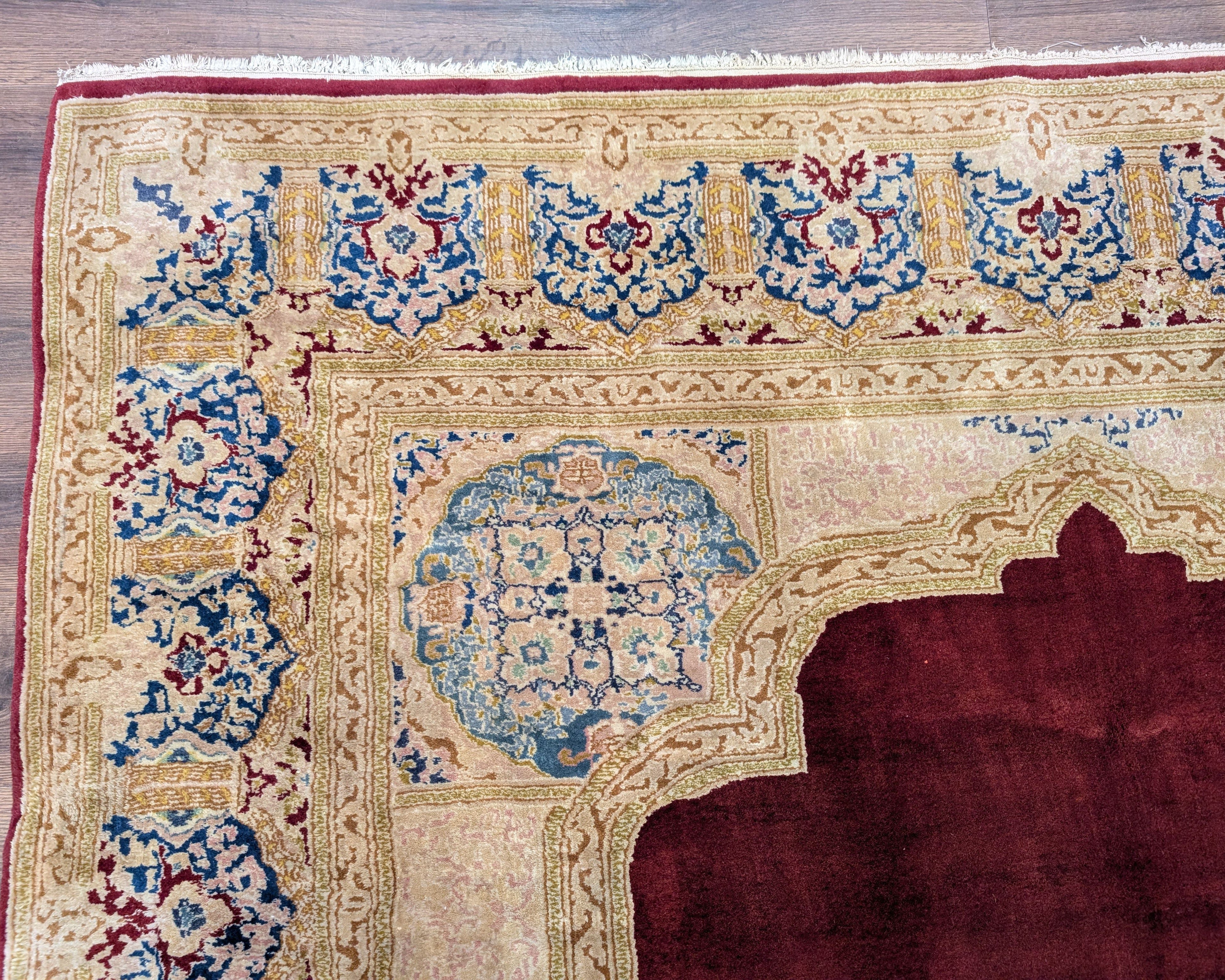
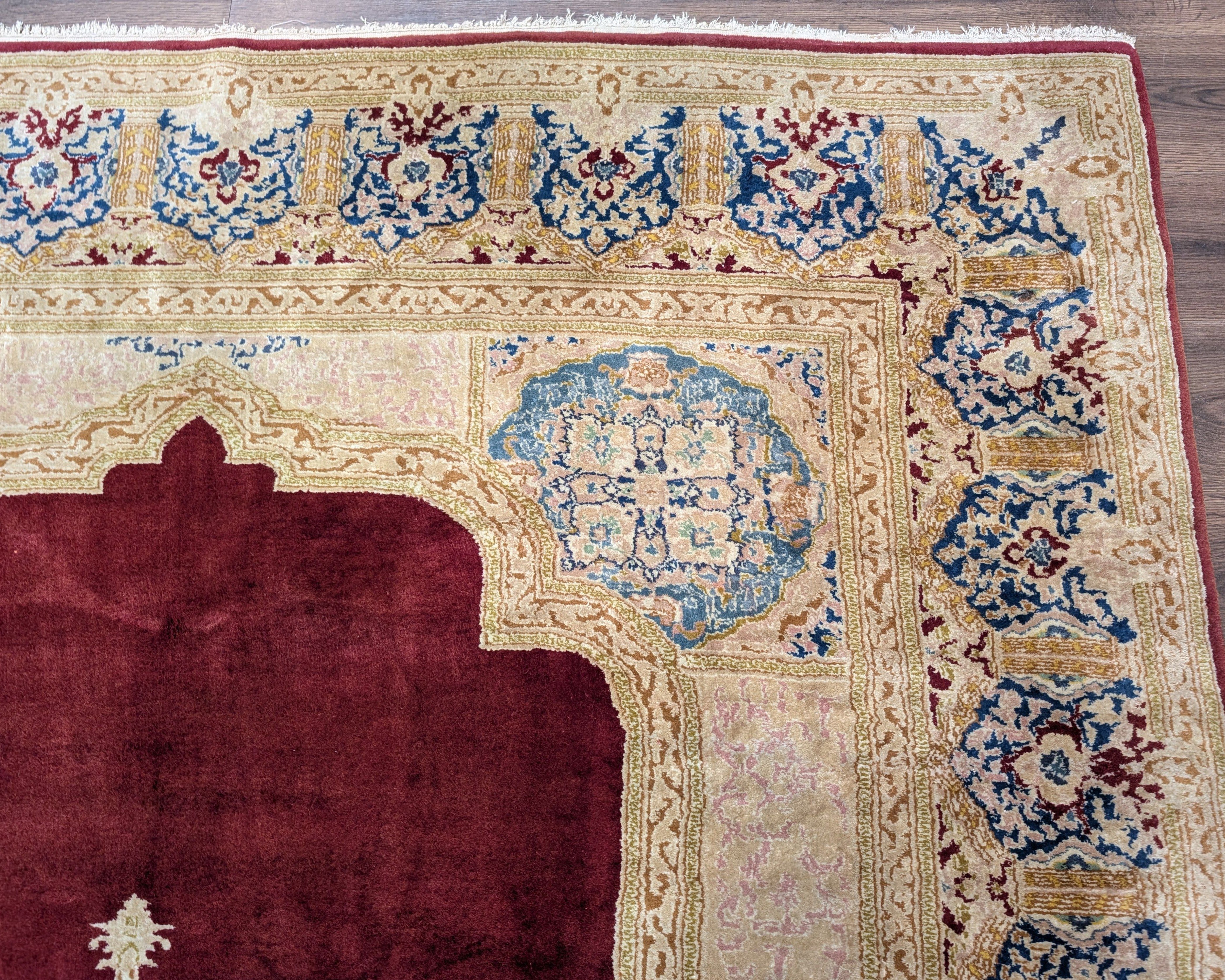
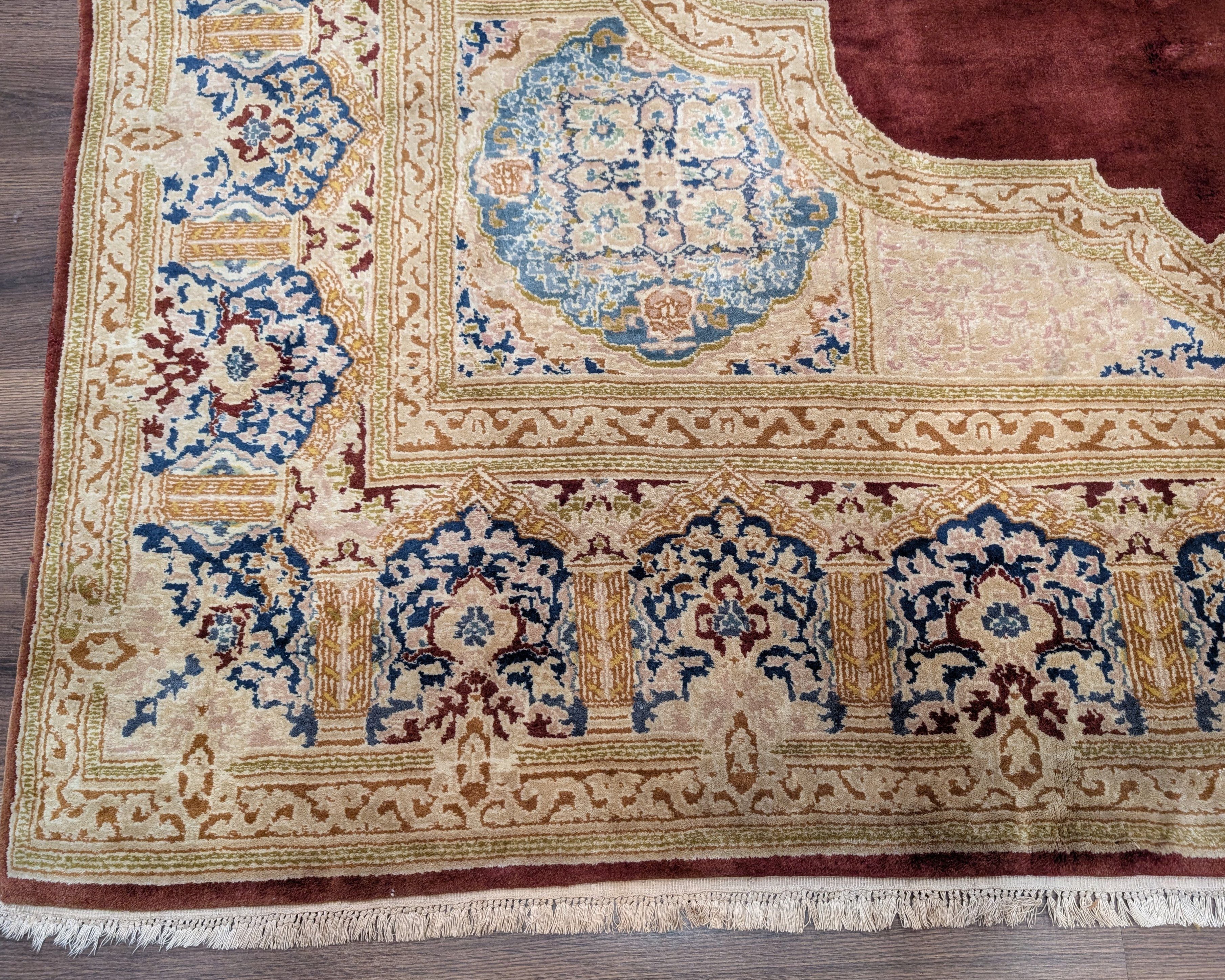
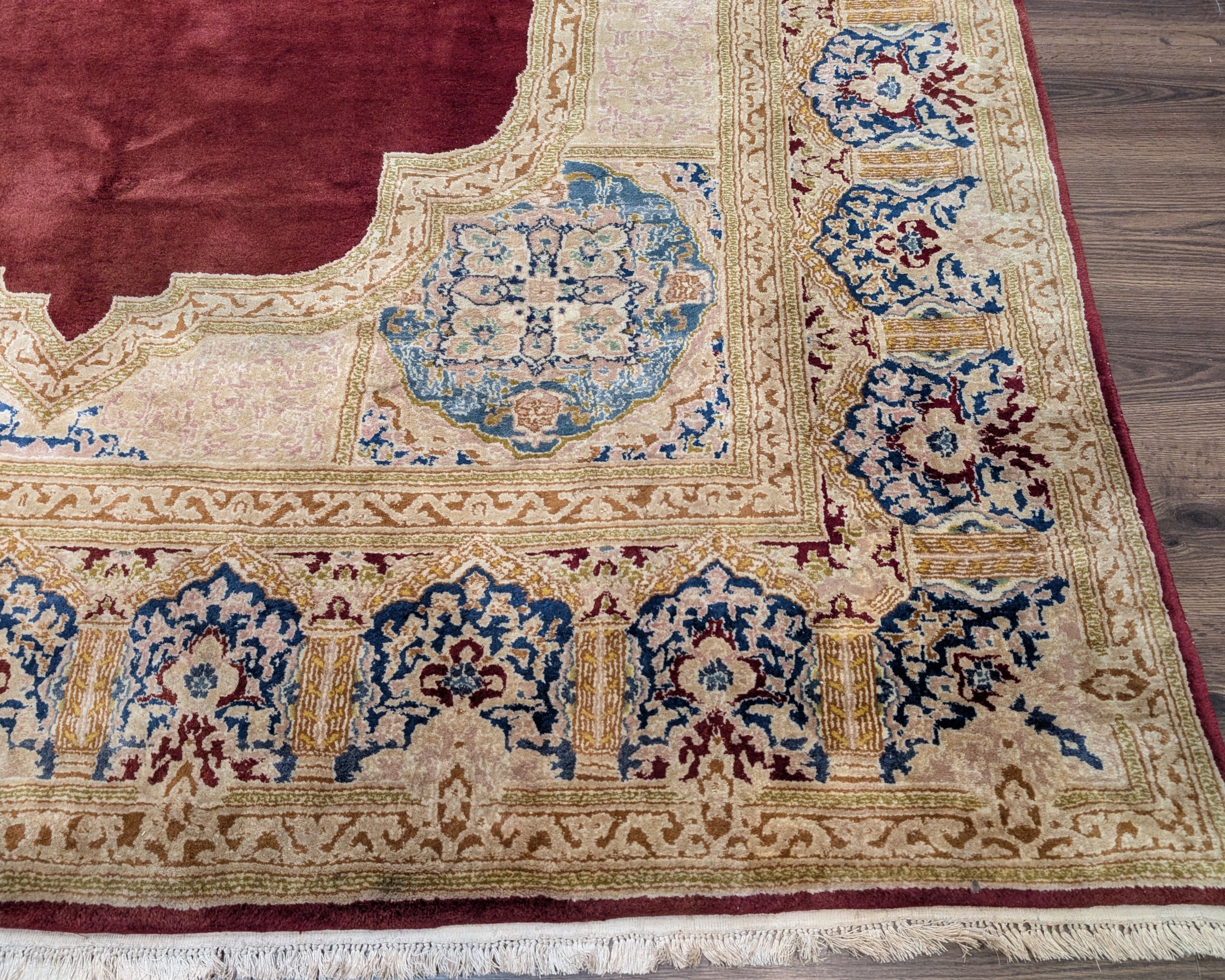
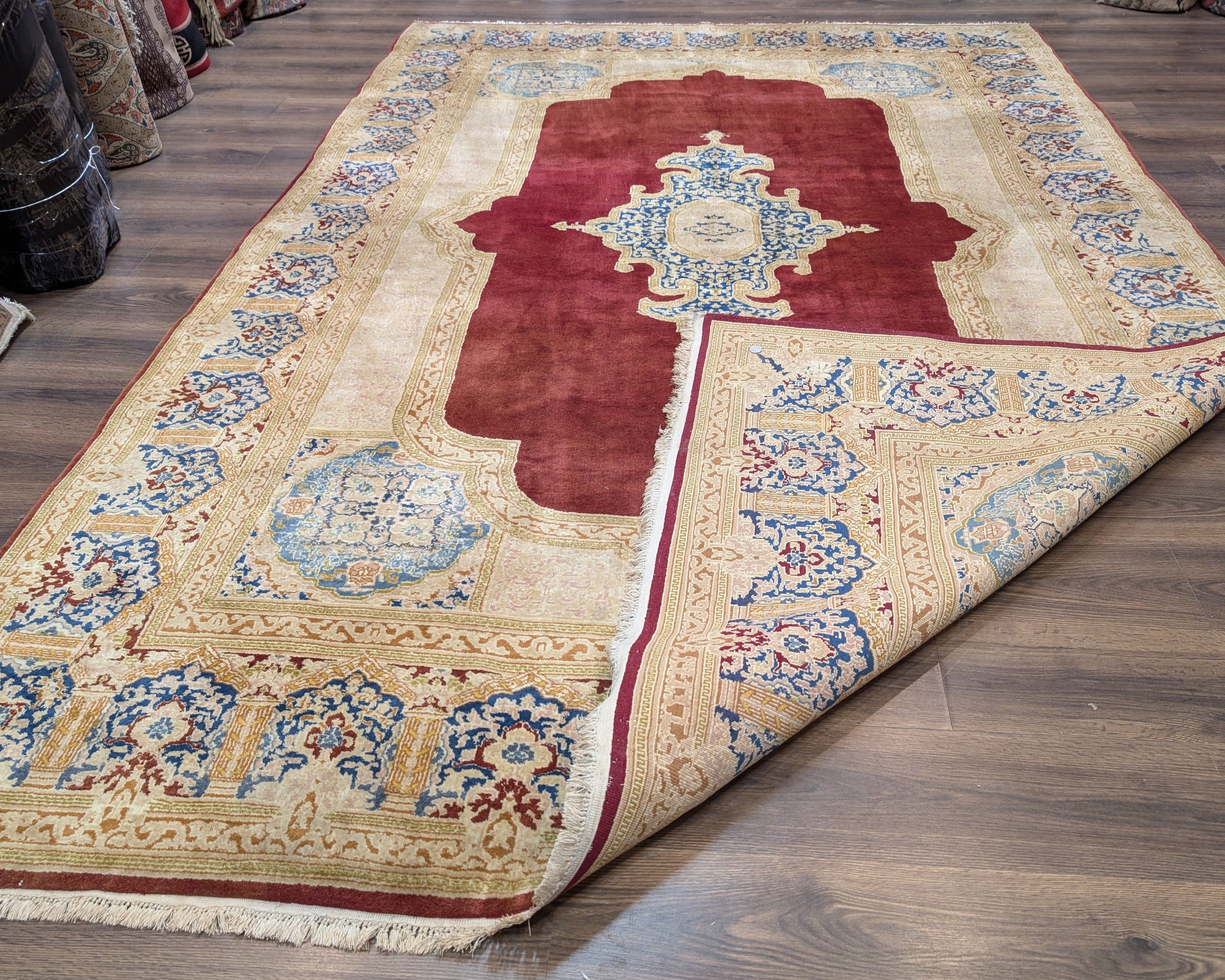
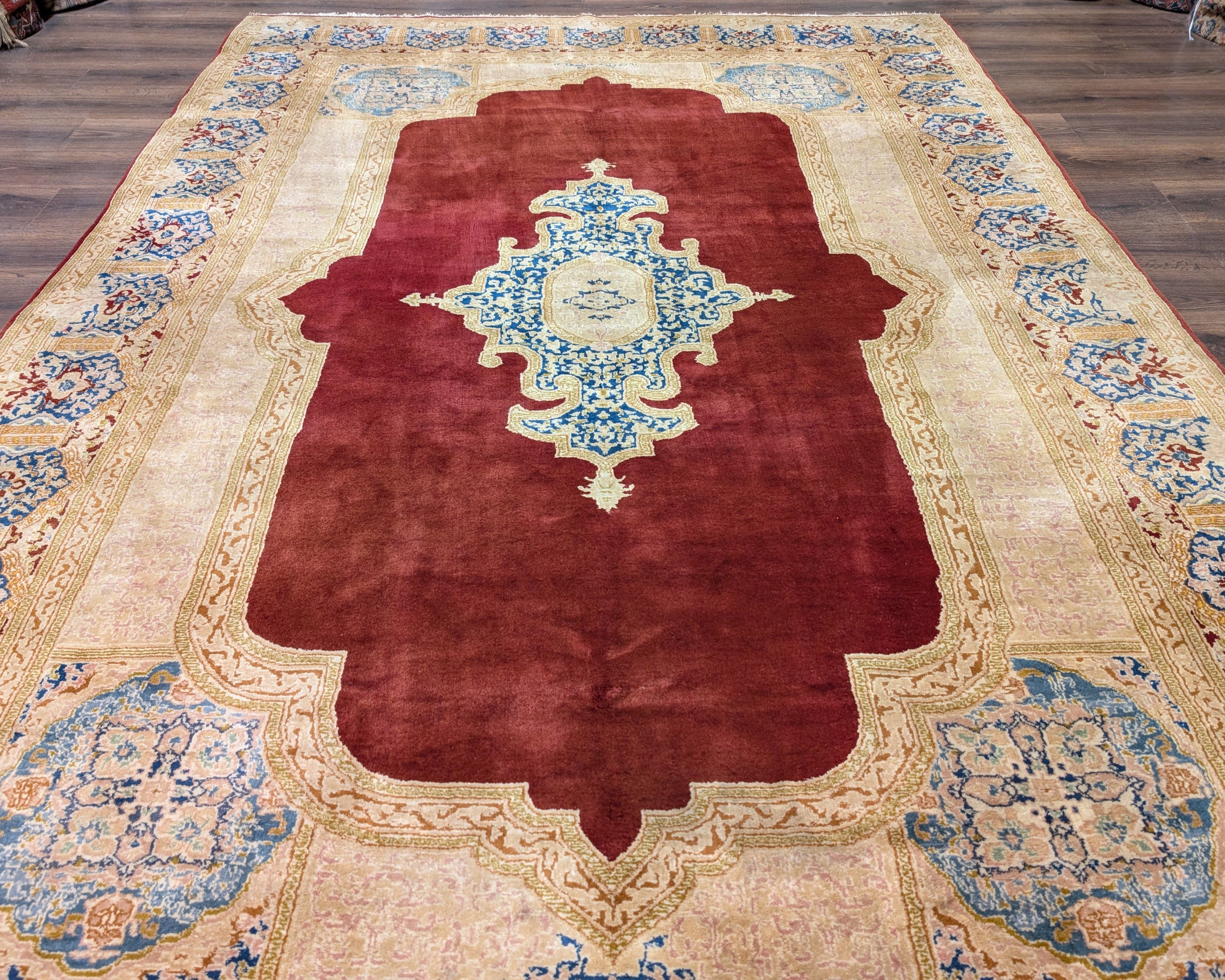
Kerman (also spelled Kirman) has long been recognized as a premier Persian rug weaving city, with a weaving tradition dating back to the Safavid era (16th–17th century). Rugs from Kerman are prized for their artistic detail, high knot counts, and intricate, often symmetrical compositions. Many exhibit a central medallion surrounded by lavish floral arrangements, design elements that reflect both Persian garden aesthetics and European influence during the 19th century export boom.
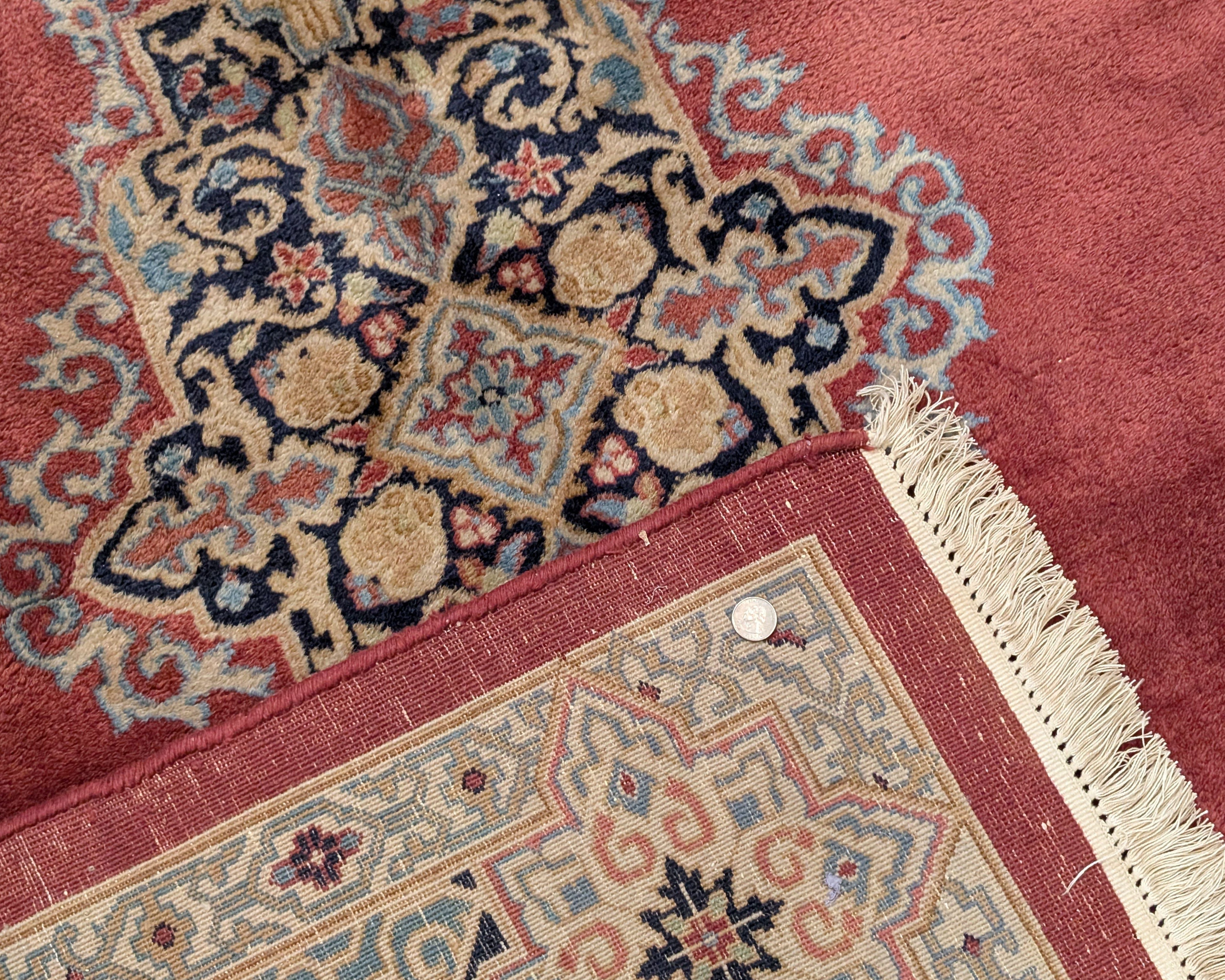
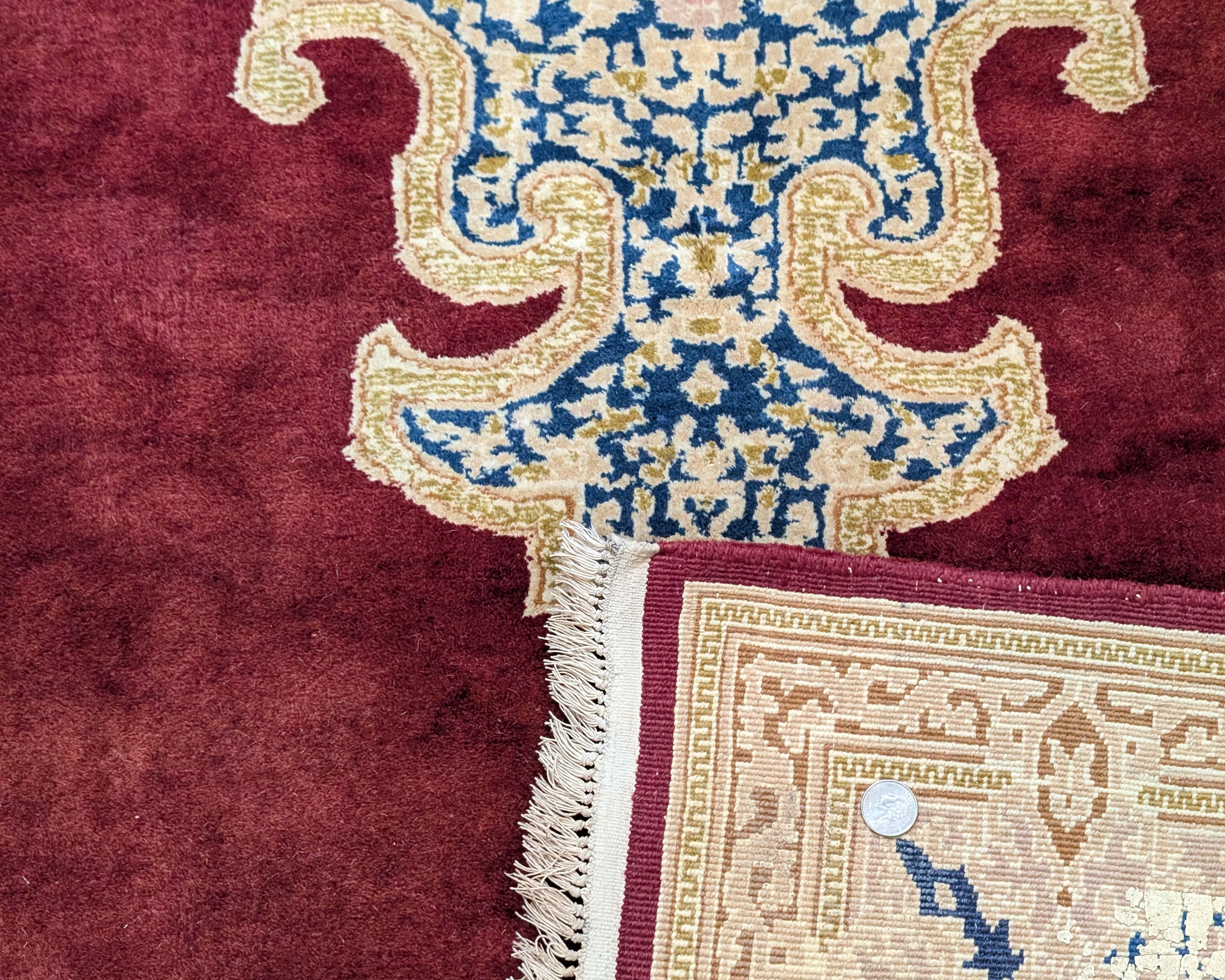
Kerman rugs typically use a cotton foundation with high-quality wool pile, and the best examples are tightly knotted—sometimes exceeding 300 KPSI. They are also known for their durability and fine drawing, making them both visually and structurally refined. Colors often include soft reds, ivory, light blues, and pale greens, all rendered with a subtle, almost pastel quality. The city of Lavar, a village near Kerman, is also famous for producing exceptional examples often referred to as "Lavar Kerman" rugs.
Designs found in Kerman Carpets
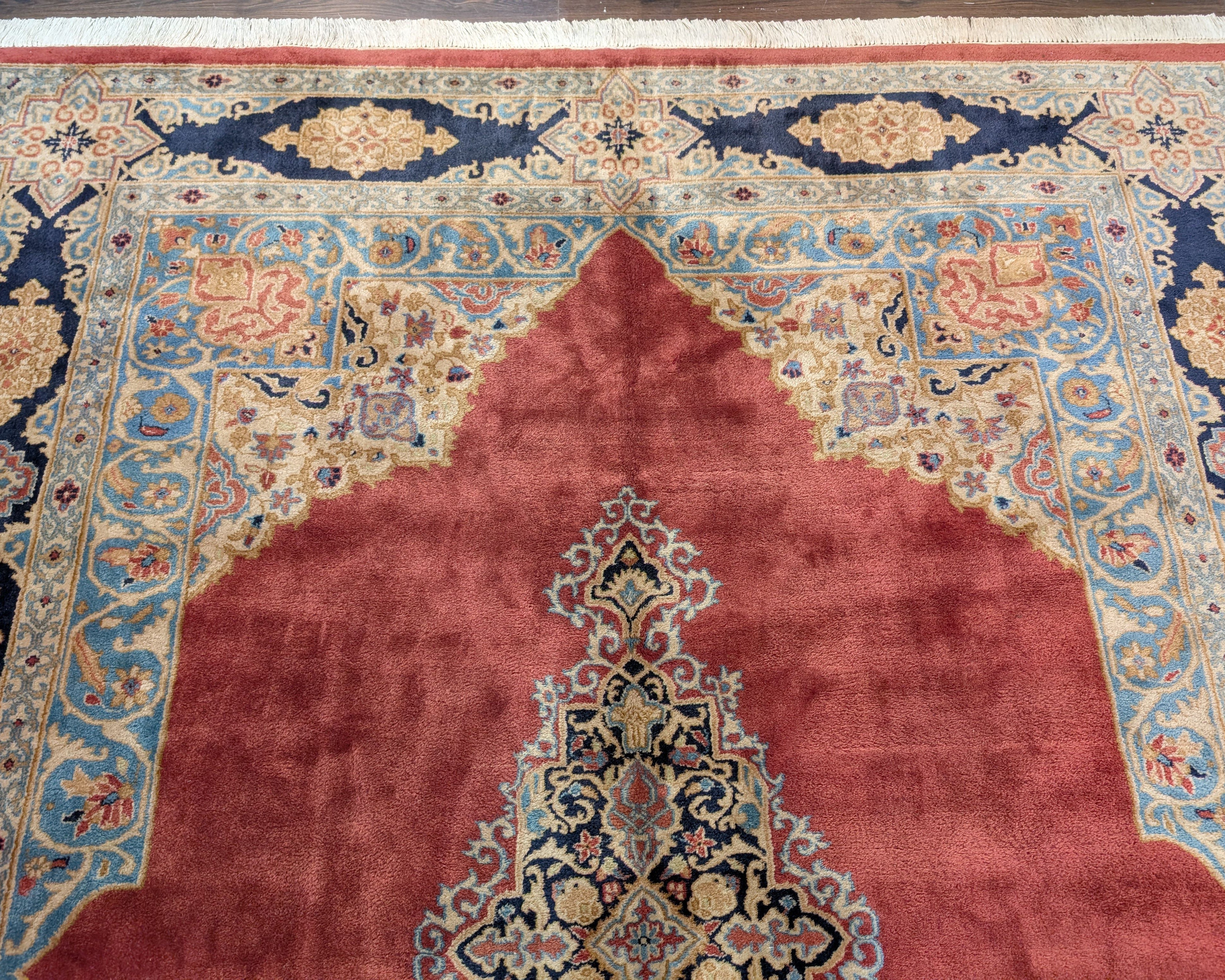
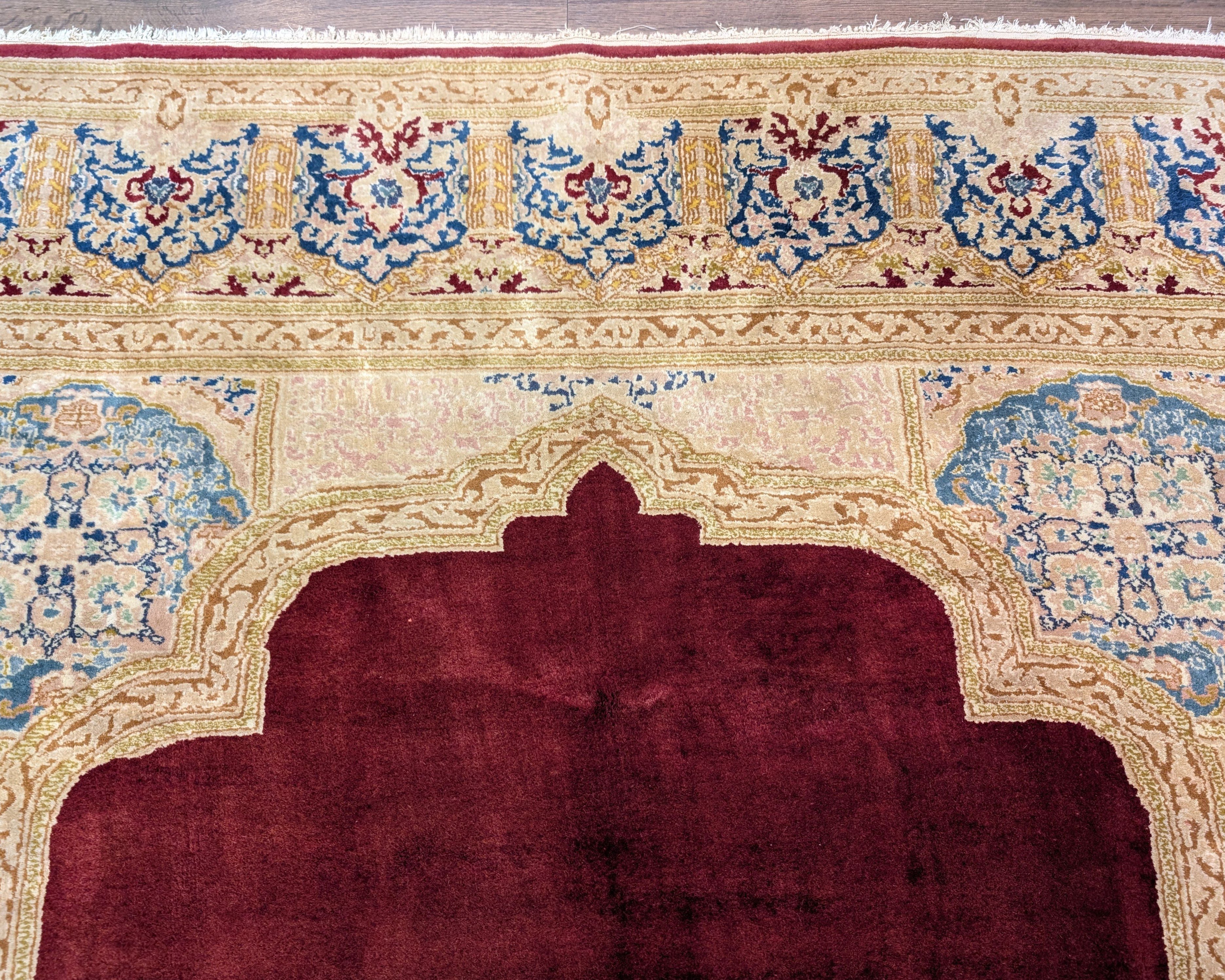
Though central medallion designs are common, Kerman rugs also appear in allover floral layouts, prayer rugs, vase rugs, and rare pictorial compositions. During the late 19th and early 20th centuries, Kerman weavers adapted their styles to appeal to Western markets, resulting in oversized palace carpets and room-sized rugs with open fields and framed borders, catering to European and American tastes.
You may also encounter Kerman rugs with French-inspired flourishes such as Rococo-like corner brackets and curvilinear scrollwork, especially in pieces intended for export to aristocratic clientele. These rugs represent a fascinating fusion of the West and the Middle East.
FAQs about Kerman Rugs
What makes Kerman rugs unique among Persian rugs?
Kerman rugs are distinguished by their refined floral designs, soft color palettes, and consistently high-quality craftsmanship. The combination of Persian aesthetics with European-influenced layouts sets them apart from more tribal or geometric Persian styles.
What is a Royal Kerman rug?
“Royal Kerman” typically refers to Kerman rugs that were produced in the early to mid-20th century with elaborate designs and large sizes, often intended for grand homes or palaces. While not an official designation, the term is commonly used in the trade to highlight especially ornate Kerman rugs with rich colors, stately medallions, and sophisticated borders.
How can I identify a real Kerman rug?
Look for a high knot count, a soft and curvilinear floral design (often with a central medallion), pastel color schemes, and a cotton foundation. Many authentic Kerman rugs also feature inscriptions, especially in the upper borders, noting the weaver or patron.
What decor styles do Kerman rugs complement?
Their elegance and floral softness make Kerman rugs ideal for classic, European, or traditional interiors. They also bring warmth and refinement to transitional and even eclectic spaces when paired with modern furnishings.
Are Kerman and Lavar Kerman rugs the same?
Lavar Kerman rugs (also known as Ravar Kerman) are a subtype of Kerman rugs made in the village of Lavar near Kerman. They’re often considered finer in weave and more detailed in drawing, making them especially desirable among collectors.
What is a Lavar Kerman rug?
A Lavar Kerman rug is a high-end Kerman rug woven in the town of Lavar, which became known for producing particularly detailed and finely knotted carpets. These pieces often feature sharper drawing, higher knot counts, and more luxurious wool, and are among the most collectible of all Kerman weavings.
Are Lavar Kerman rugs older than regular Kerman rugs?
Not by definition. Lavar Kerman refers to rugs woven in the village of Lavar, not to a specific age. While many highly regarded antique Kerman rugs happen to come from Lavar and may date from the late 19th to early 20th century, newer Lavar Kerman rugs have also been made. What sets them apart is typically the finer weave, more detailed drawing, and higher-quality materials—not necessarily their age. However, in practice, many of the most sought-after Lavar Kerman pieces on the market do tend to be older simply because they were woven during the golden age of Persian rug exports.