Origins and Village Weaving Tradition
Malayer has a long history in Persian rug weaving, with production in the 19th and 20th centuries almost exclusively limited to small-sized rugs and runners woven by individual weavers. The region encompasses over 100 weaving villages scattered throughout the area, each contributing to the rich tradition of Malayer carpet making. The finest Malayer carpets were woven in the village of Mishin, known for using lustrous, resilient wool and creating the most detailed examples during the 19th century.
Distinctive Design Elements and Patterns
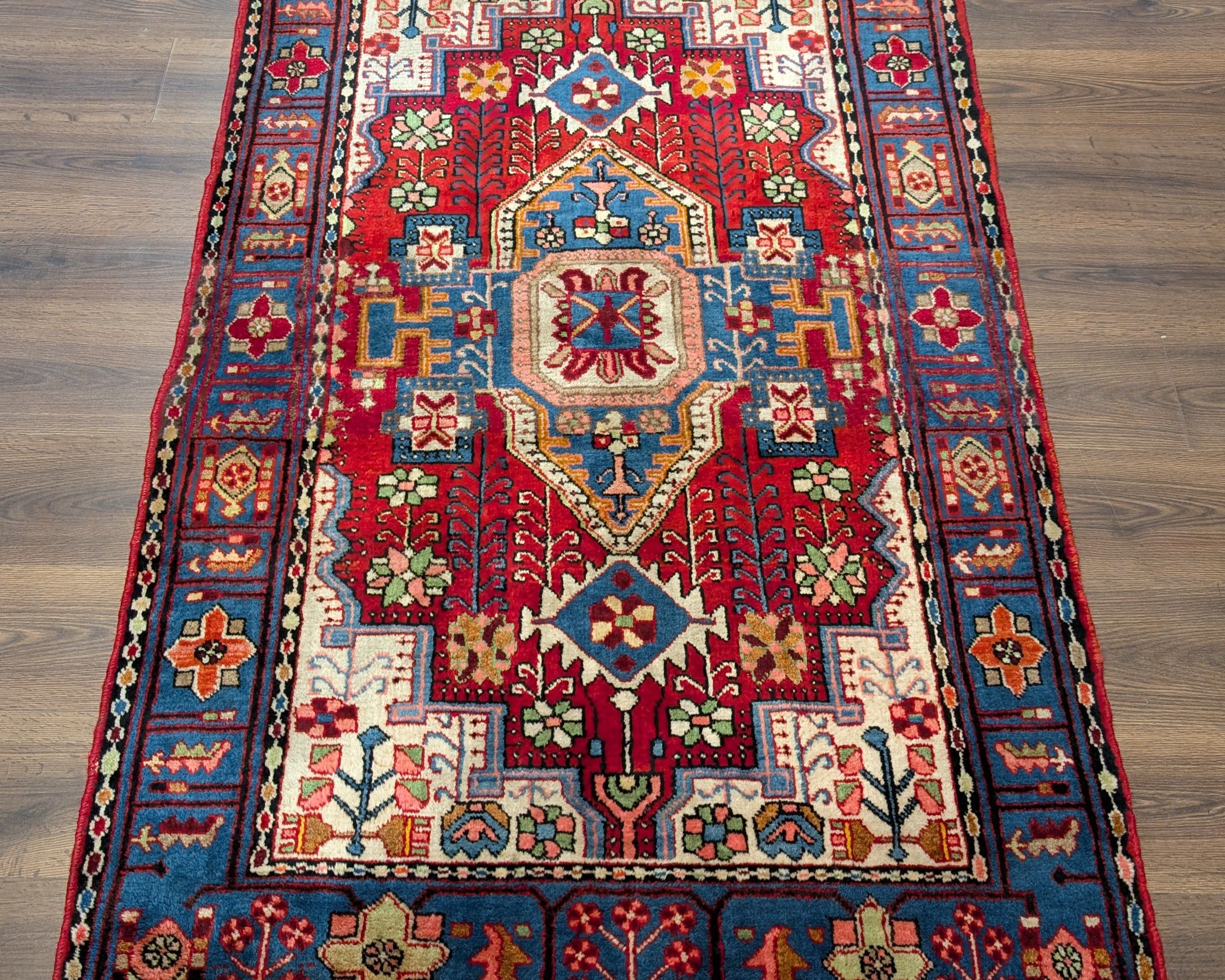
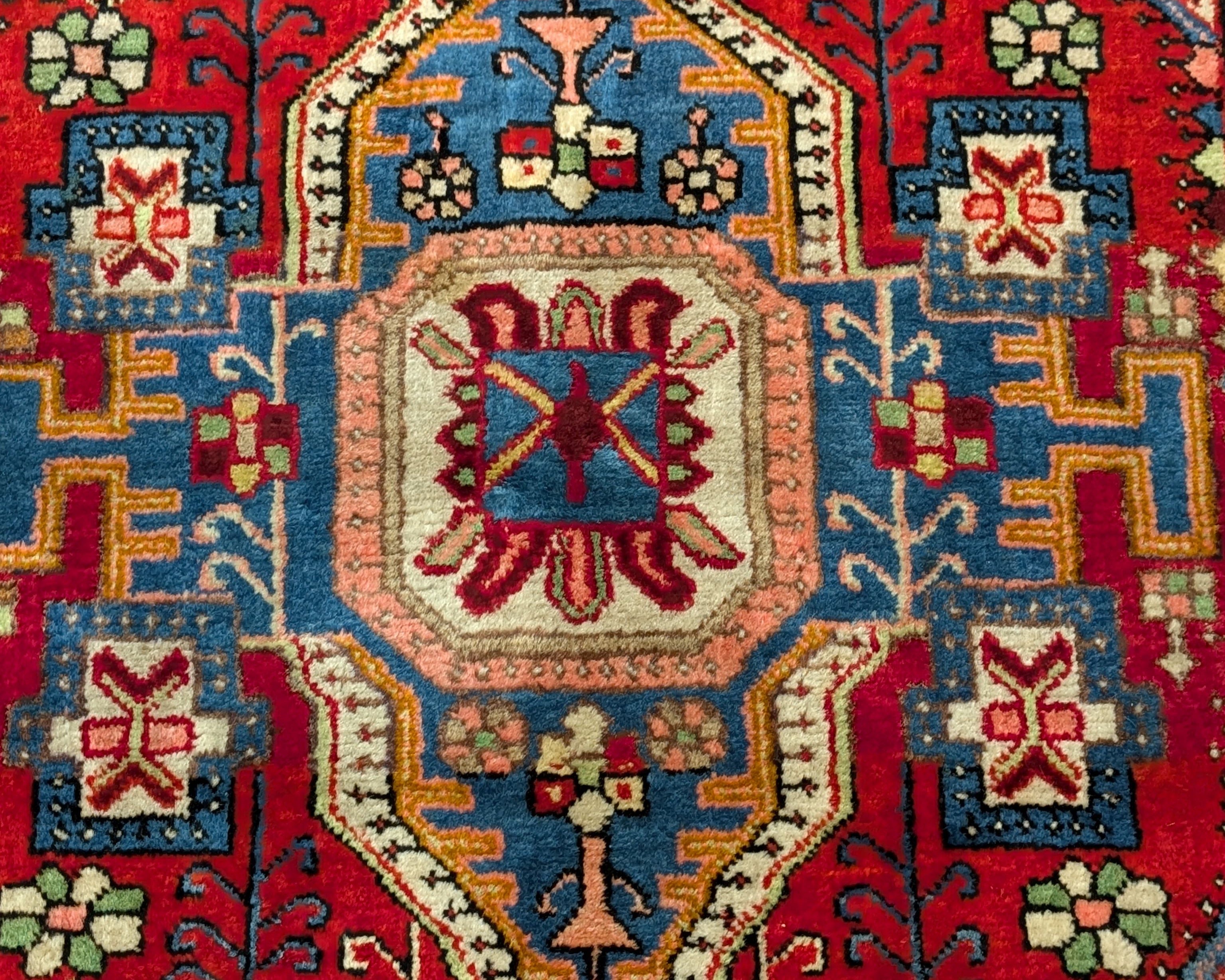
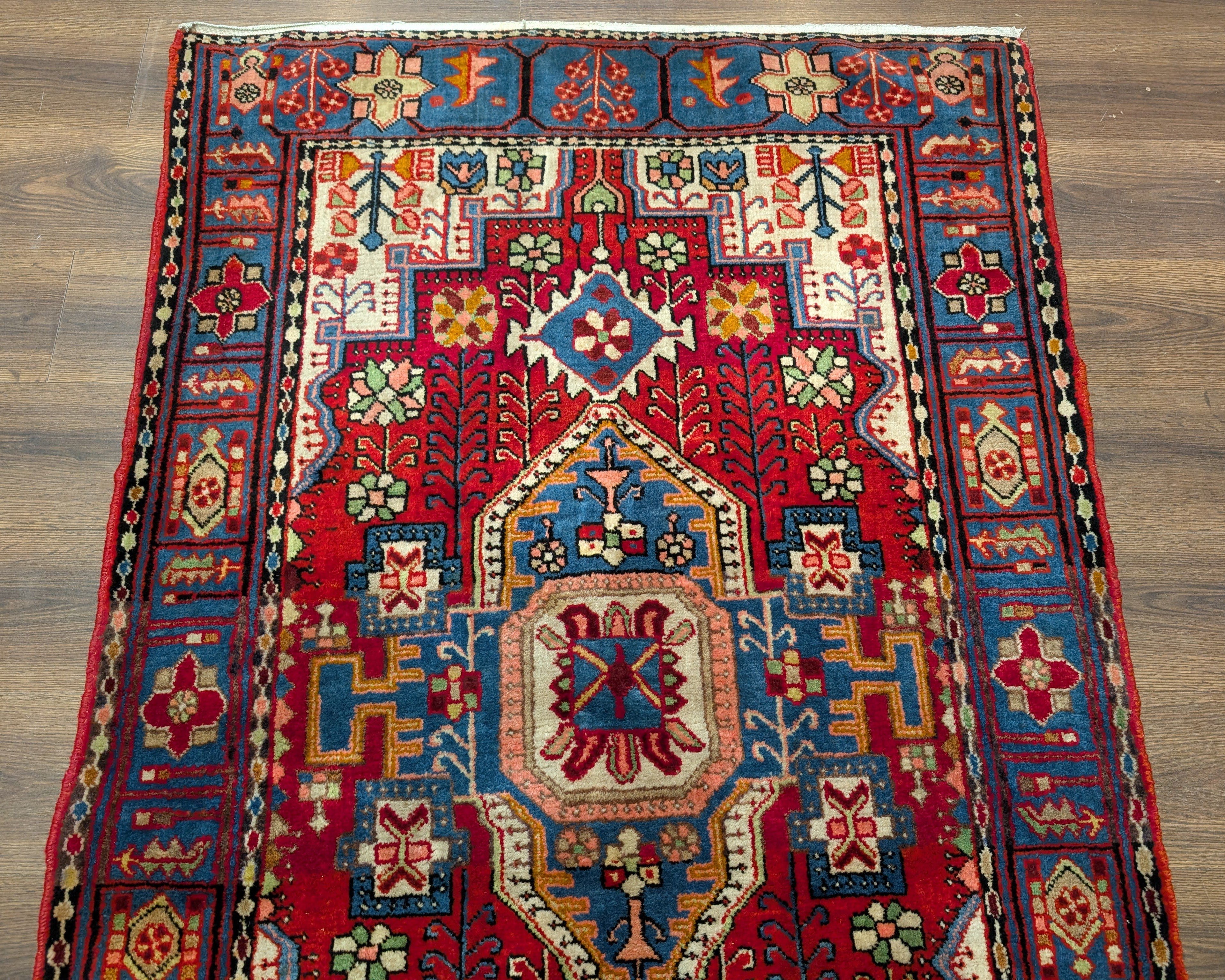
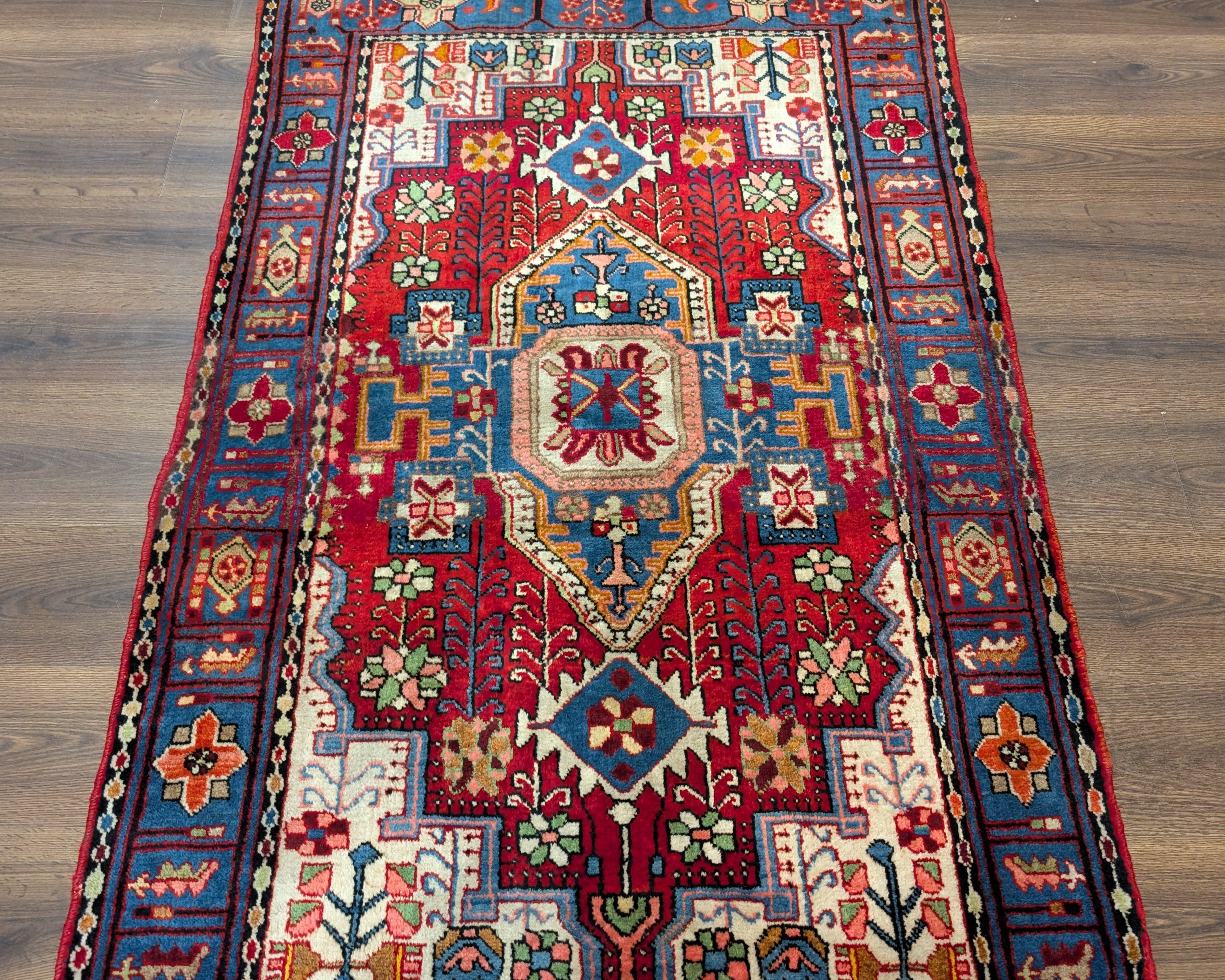
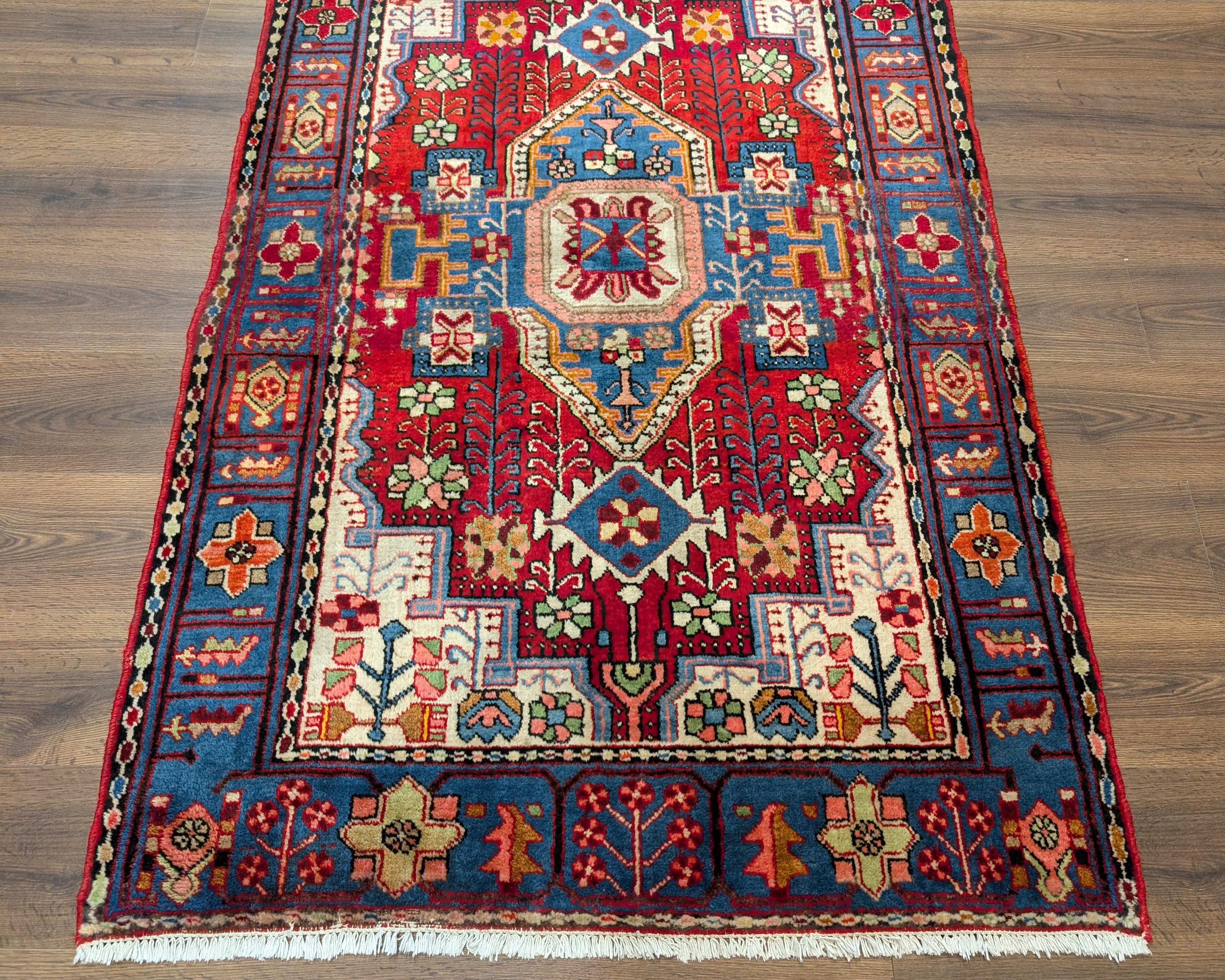
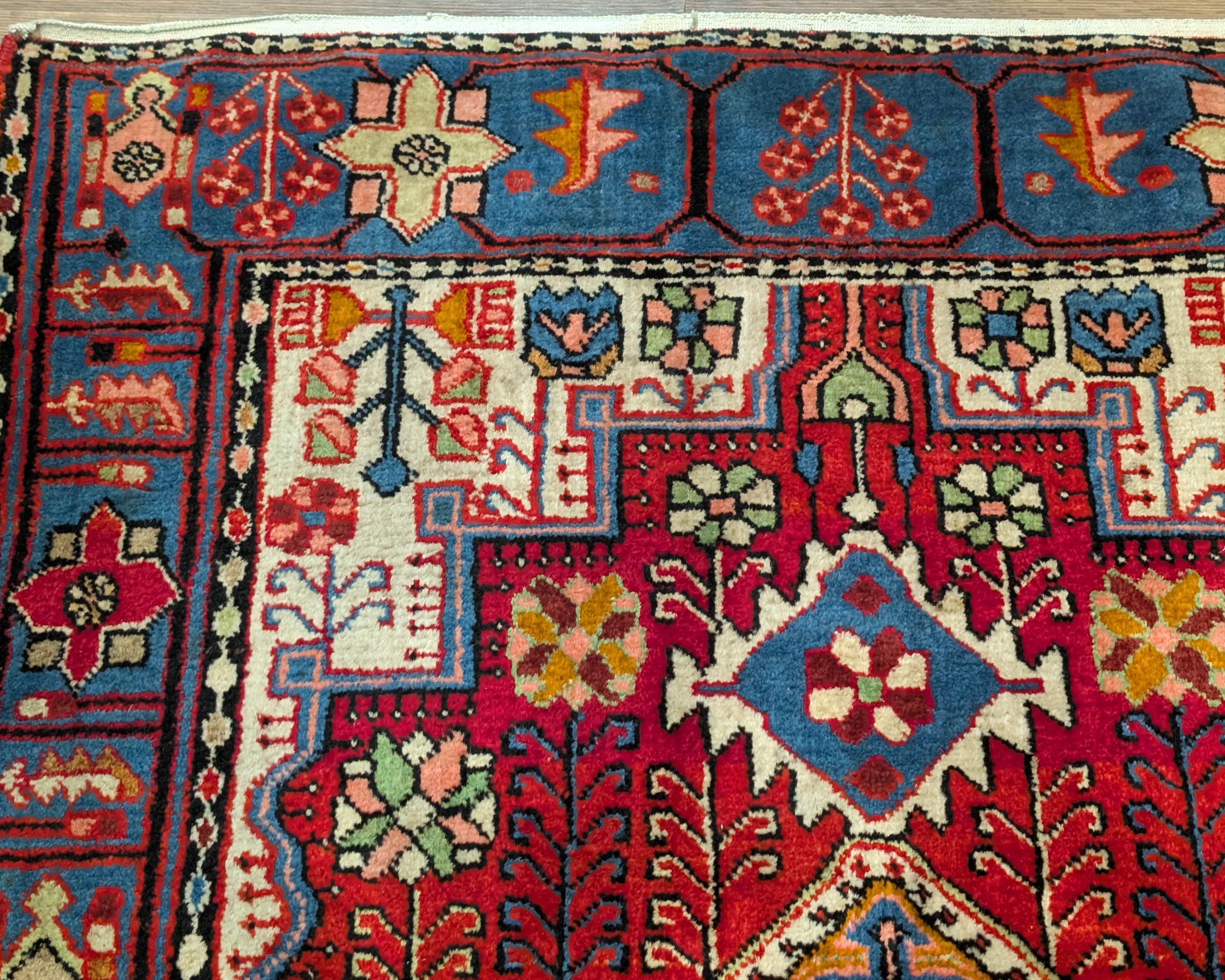
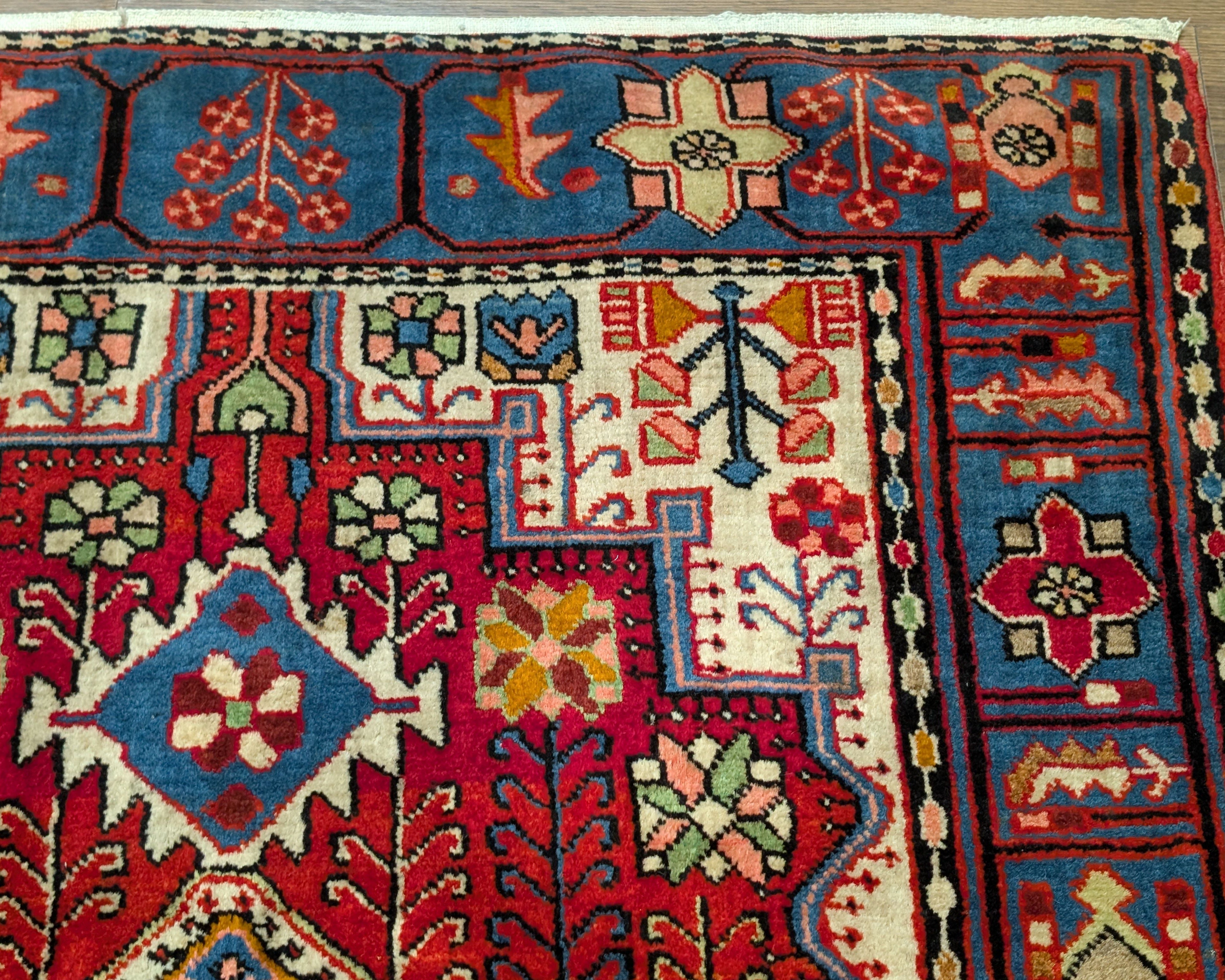
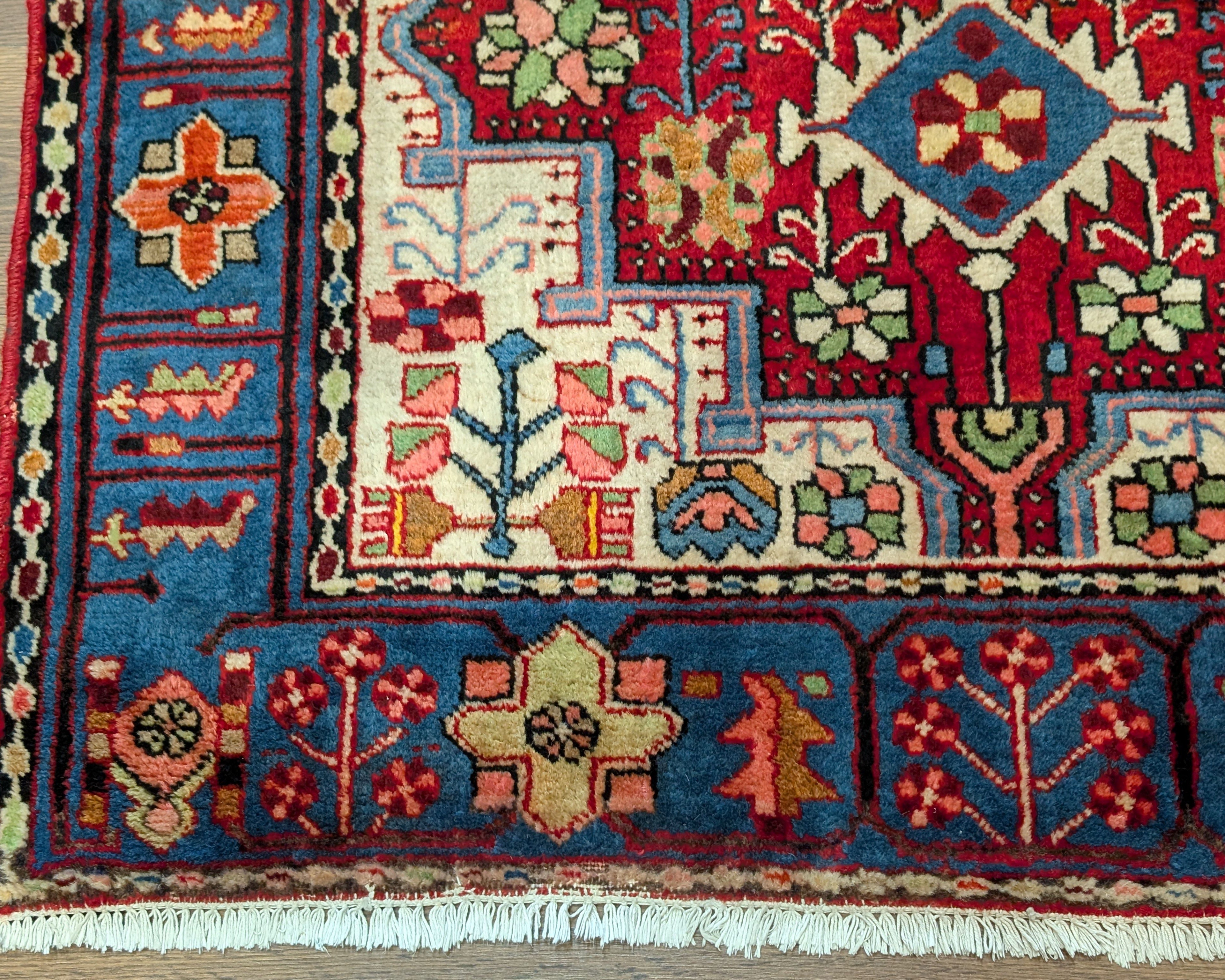
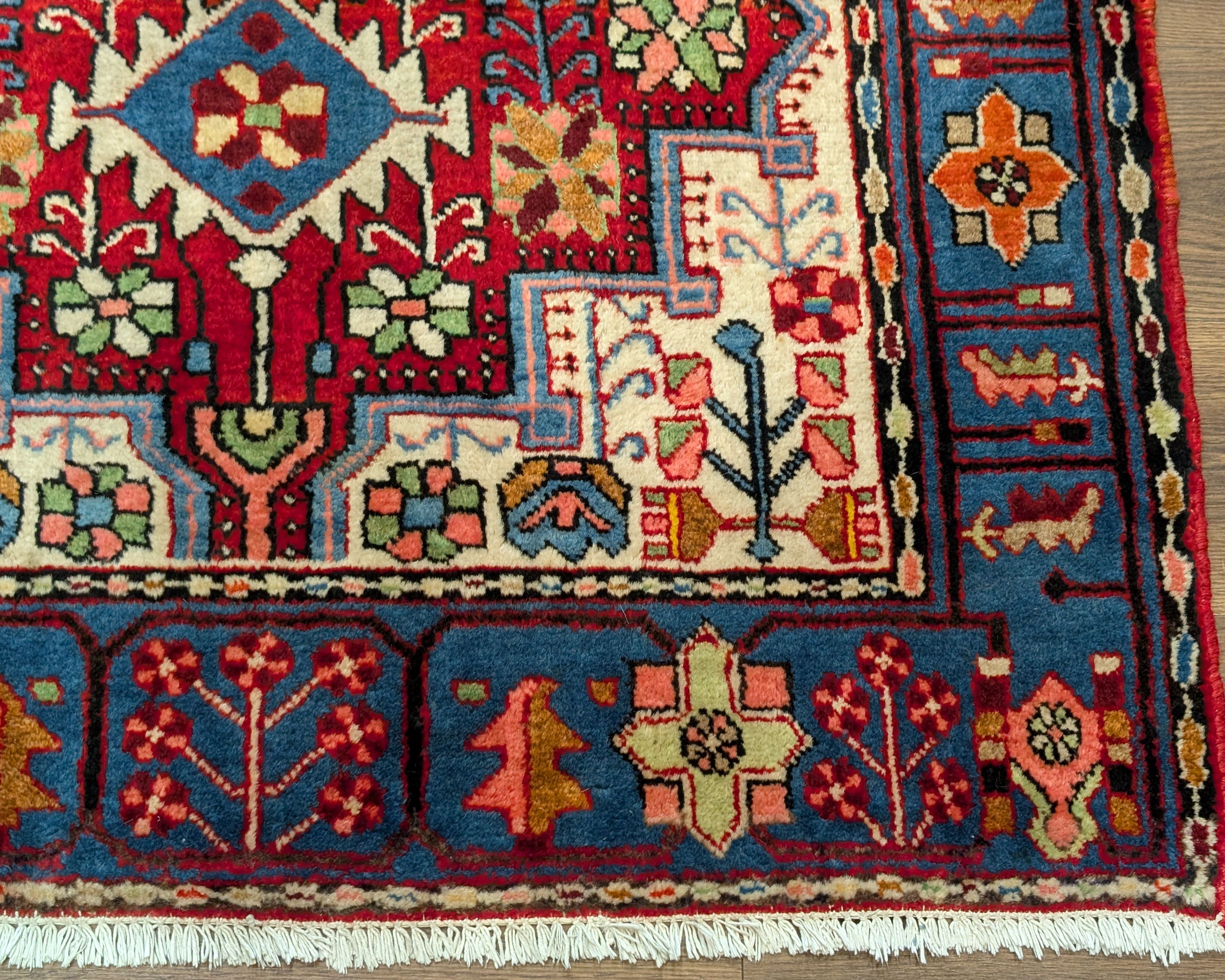
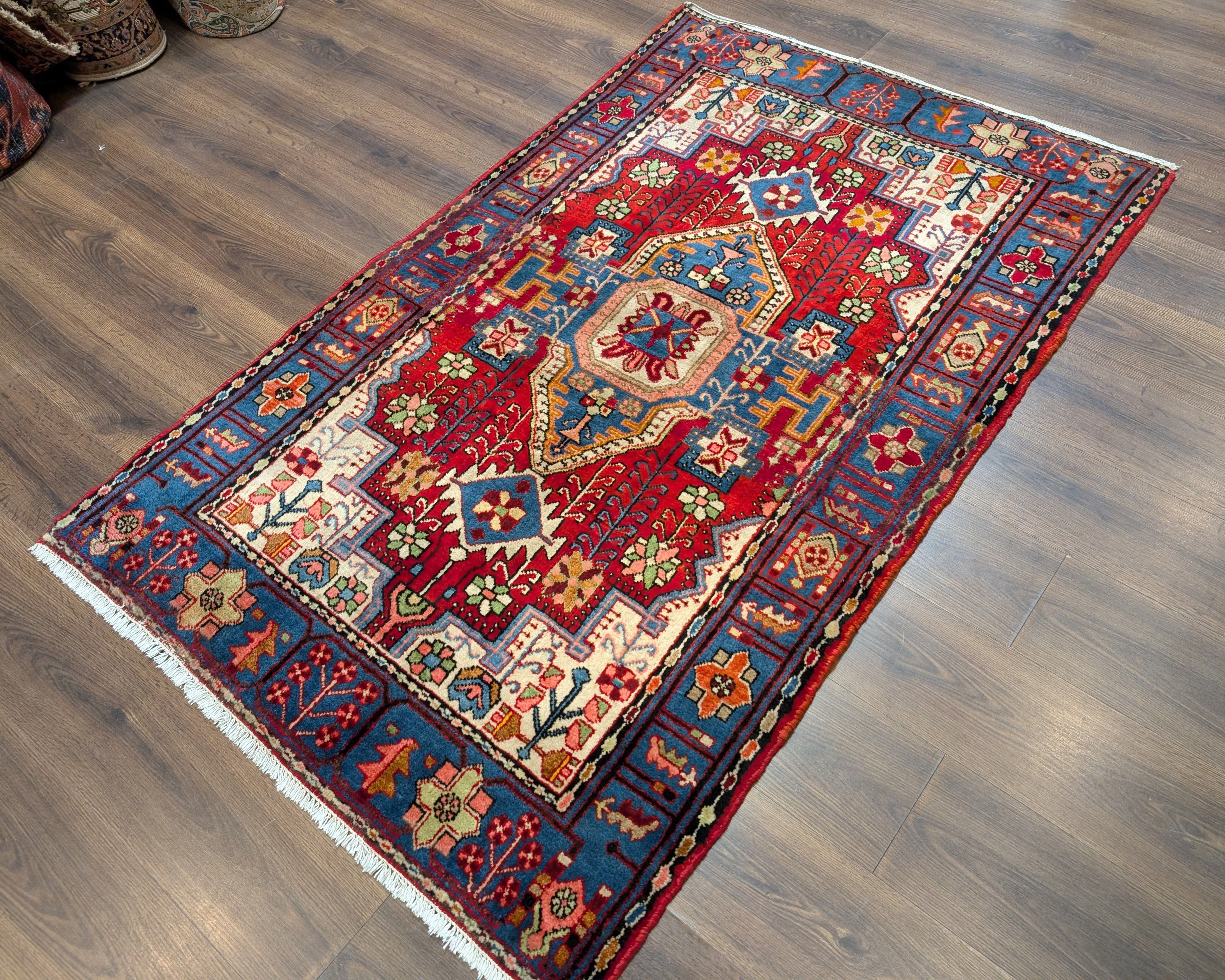
Malayer rugs typically feature intricate geometric patterns, often with a dominant central medallion surrounded by detailed borders, including the Herati (fish) motif, boteh (teardrop or leaf symbol), and various stylized floral designs. The designs range from diamond or hexagon shaped medallions to all-over patterns, and although produced from classical Persian sources, they tend to be fairly geometric and abstract in their renderings. These rugs stand out for their intricate all-over patterns, elegant medallions, or dense boteh motifs.
Construction and Technical Characteristics
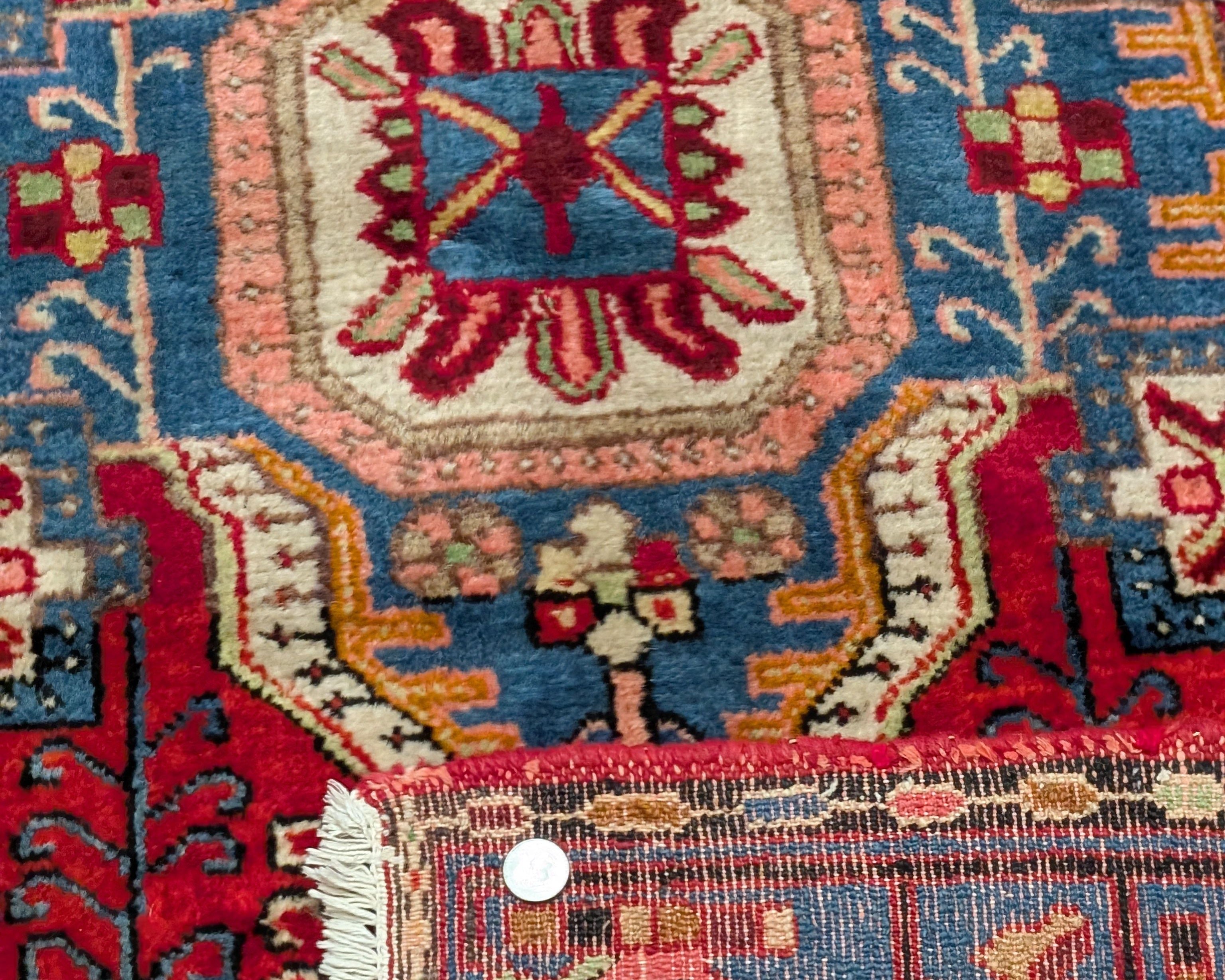
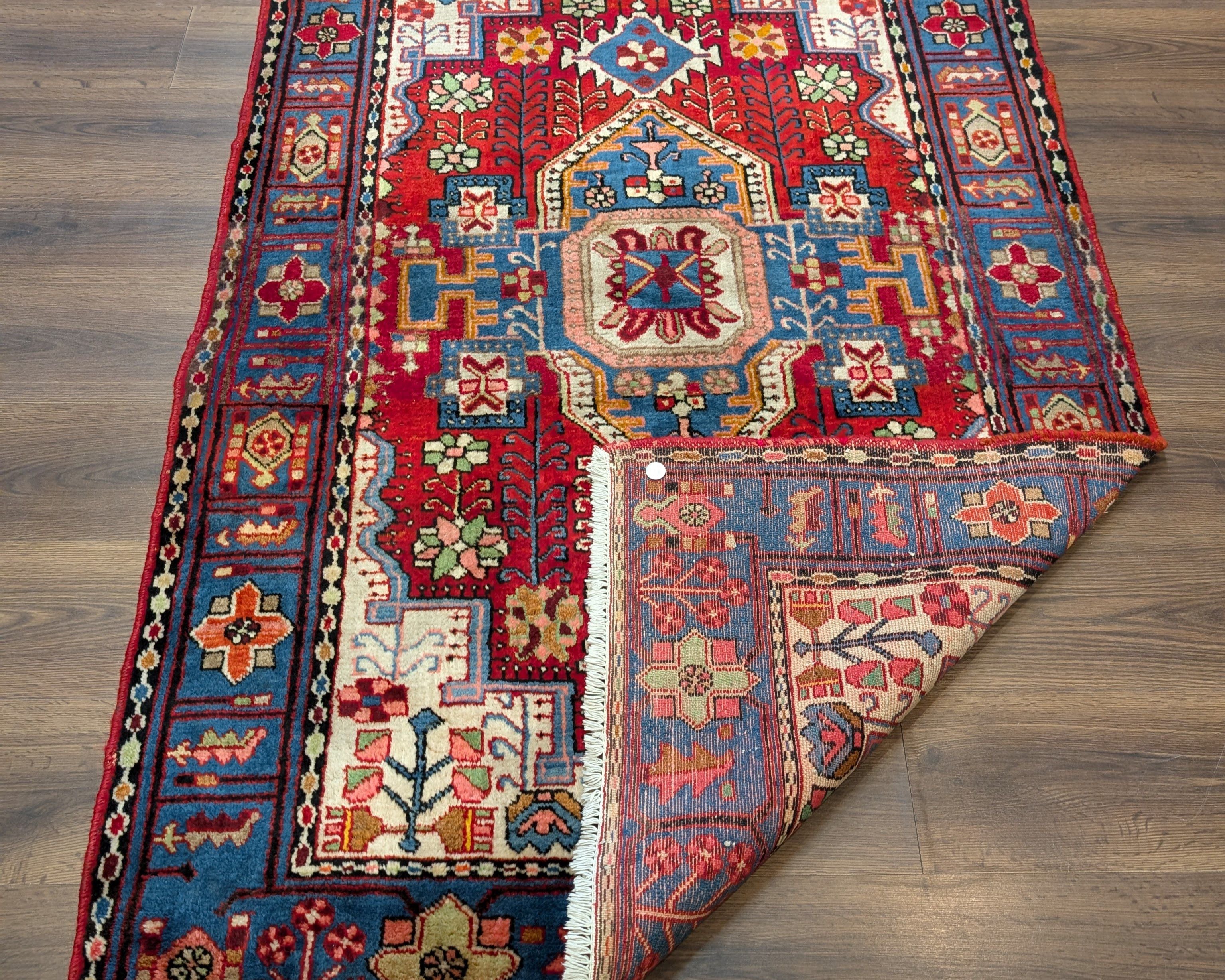
Malayer carpets are distinguished by their single-weft construction and the use of the symmetrical Turkish knot, with a cotton foundation and wool pile. The single shot of weft between each row of knots makes every other warp visible, which makes these rugs easy to identify. This tight weaving technique creates a low-cut pile that enhances pattern clarity and durability.
Color Palette and Materials
Rich rust-to-crimson grounds were commonly used, with undyed camelhair employed less frequently. The diverse palette of colors is not typical for other types of Persian rugs, and this diversity sets antique Malayer rugs apart from other Persian tapestry styles. The combination of traditional Persian colors with Kurdish influences creates a unique aesthetic that reflects the region's cultural heritage.
FAQ Section
What makes Malayer rugs different from other Persian village carpets?
Malayer rugs are distinguished by their single-weft construction and use of Turkish knots, which creates a unique structural characteristic where every other warp is visible on the back. This construction, combined with their exceptionally fine weaving for village carpets, sets them apart from other Persian village productions. The geometric interpretation of classical Persian designs also gives them a distinctive abstract quality.
Why are Mishin Malayer rugs considered the finest examples?
Mishin was renowned as the premier weaving village in the Malayer region during the 19th century. Carpets from this village were specifically labeled as "Mishin Malayer" to distinguish their superior quality. These rugs featured the finest knotting density, most lustrous wool, and most intricate pattern work in the region, making them highly sought after by collectors today.
What is the significance of the boteh motif in Malayer rugs?
The boteh motif, resembling a teardrop or curved leaf, is one of the most characteristic design elements in Malayer rugs. This ancient Persian symbol represents life and eternity, and Malayer weavers executed it with particular geometric precision. The motif appears in various scales and arrangements, from scattered individual elements to dense all-over patterns that create mesmerizing visual rhythms.
How can I identify the quality of a Malayer rug?
Quality indicators in Malayer rugs include knot density (finer examples have higher knot counts), clarity of geometric patterns, consistency of the single-weft construction, and the lustrous quality of the wool. The back should show clear pattern definition with the characteristic single-weft structure. Superior examples will have crisp geometric lines, balanced proportions, and rich, well-preserved colors.
Are Malayer rugs suitable for modern interior design?
Yes, Malayer rugs work exceptionally well in contemporary settings due to their geometric patterns and abstract interpretations of classical motifs. Their typically smaller sizes and runner formats make them perfect for modern living spaces. The sophisticated color palettes and geometric precision complement both traditional and contemporary furnishings, while their village charm adds authentic character to any room.